No Circular Breakthrough Without Strategy – Survey on the State of the Circular Economy in Hungary
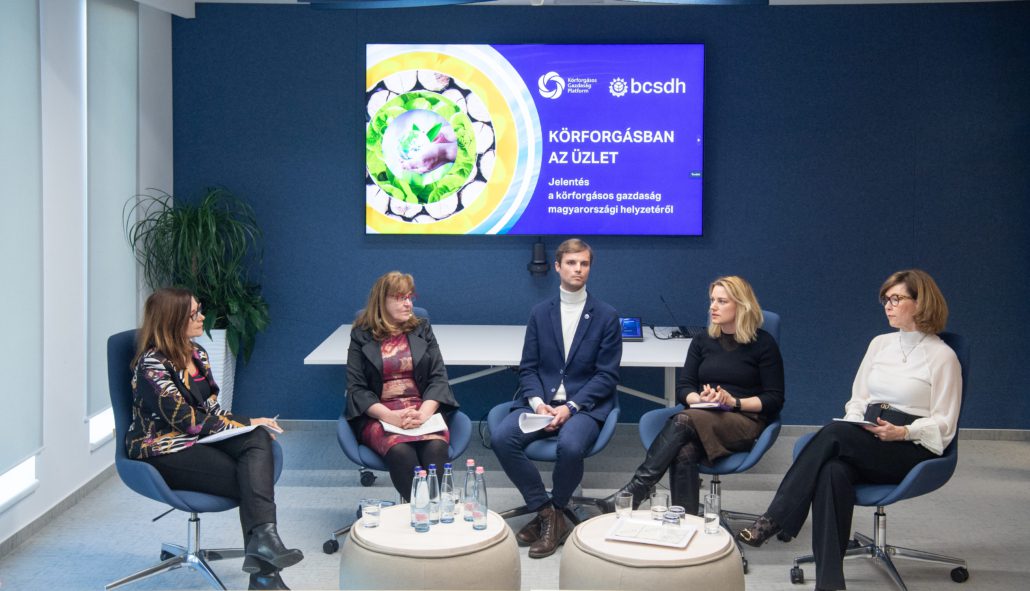
Budapest, 27 January 2026 – Sixty-four percent of Hungarian companies that are leading the sustainable transition already apply some form of circular model in their business operations, yet complex solutions remain the exception, according to the latest survey by the Hungarian Business Council for Sustainable Development (BCSDH). The research, conducted with the professional support of KPMG, shows that the integration of circular economy principles has stalled, despite the significant untapped potential for development.
The results of the BCSDH survey indicate clear stagnation in advancing the circular economy in Hungary. A true paradigm shift is still pending, as circular economy principles have not yet been deeply embedded into corporate practices. Simpler, less complex circular business models continue to dominate.
A Lack of Complex and Strategic Approaches
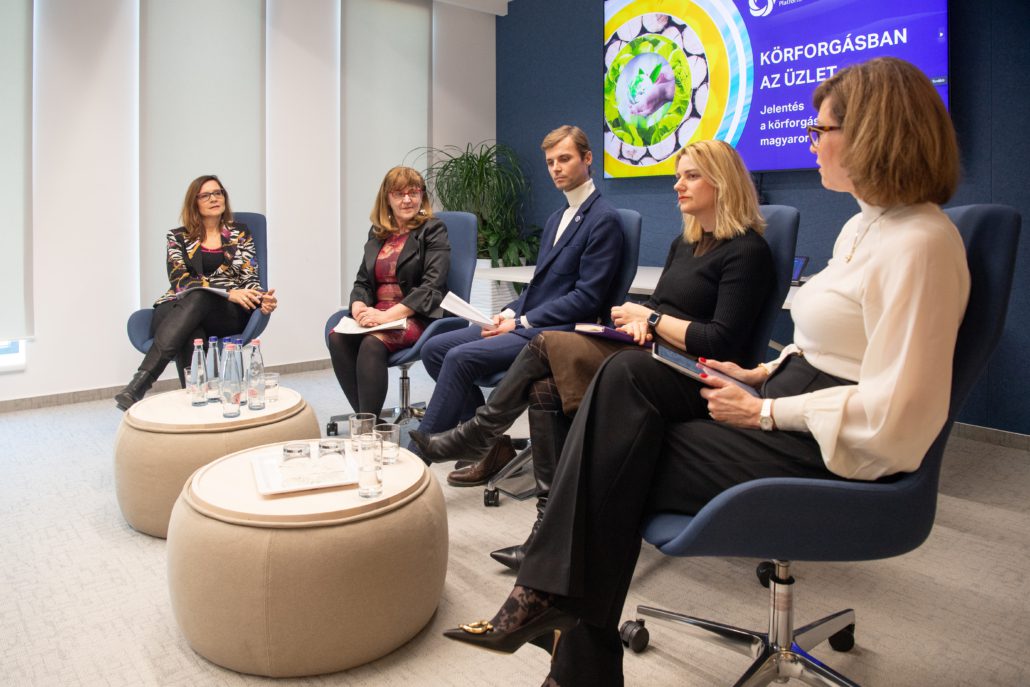
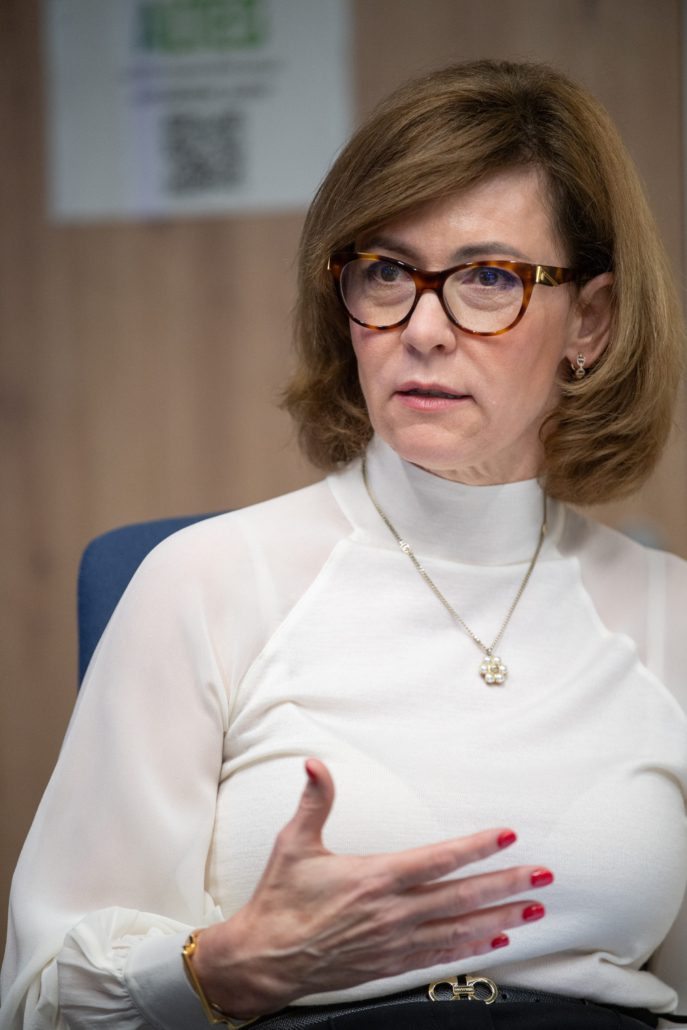
“We launched the Circular Economy Platform nearly ten years ago with the aim of accelerating Hungary’s circular transition through cross-sector collaboration and fostering the use of synergies. It is an important achievement that 75% of leading companies already have circular objectives, and 49% measure their circular performance,” said Irén Márta, Director of BCSDH, at the event that presented the survey results. She added that companies are increasingly recognising that the circular economy represents a complex business approach that simultaneously improves cost efficiency and supply security, supports the development of new business models, and helps achieve decarbonisation targets.
At the same time, she pointed out that only 21% of companies currently have a dedicated circular economy strategy. According to Irén Márta, accelerating the circular transition is only possible through knowledge sharing, showcasing best practices, presenting new opportunities and innovations, and above all, through collaboration. A key forum for this will be the European Circular Economy Hotspot, to be hosted by BCSDH in Budapest between 5 and 7 October 2026, which will highlight international and domestic expertise and offer practical inspiration for the business community.
 |
Global and Domestic Resource-Use Challenges
According to the BCSDH survey, 48% of companies are primarily motivated by resource efficiency in their transition towards the circular economy. Other factors—such as the development of product and technological capabilities, the profitability of circular business models, reduced exposure and risk, and reducing greenhouse gas emissions—are also considered important. However, their impacts are not yet perceived as sufficiently direct to allow a clear hierarchy of priorities to be established.
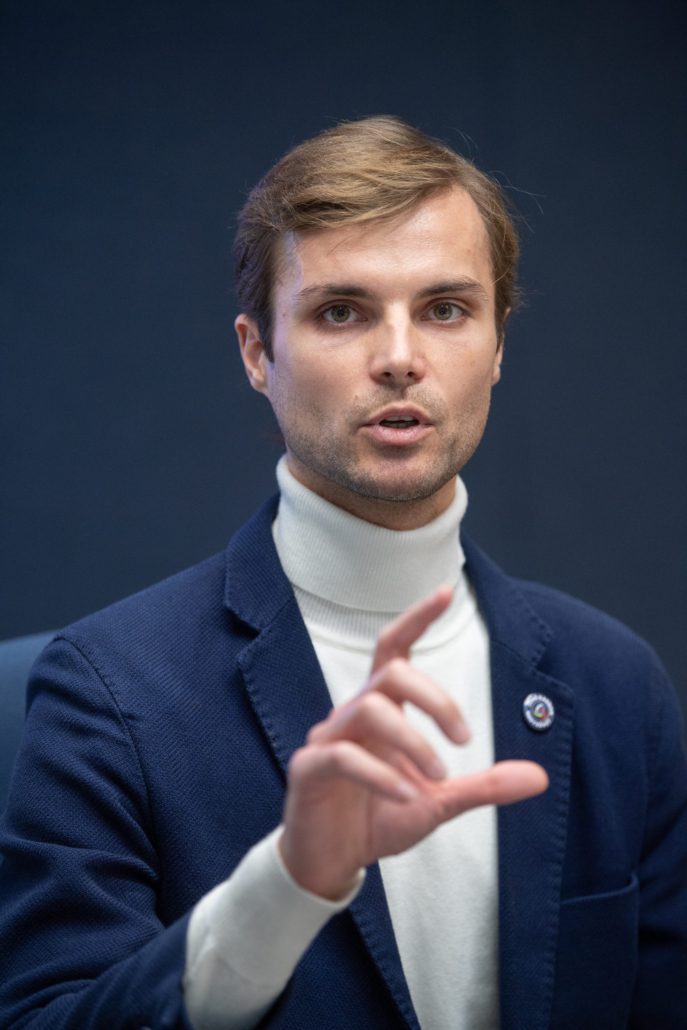
“Based on the results, 59% of companies have targets related to waste management, and 49% have goals concerning the sustainable sourcing and use of renewable resources,” noted Julianna Nagy, Director at KPMG. She added that large corporations and SMEs share a similar mindset in this respect. Targets related to more complex circular activities currently remain in the background.
She also highlighted that even among already implemented solutions, the most popular practices are still those that are easiest to apply and already operational. These include the reuse and sale of residual materials (53%), while more complex solutions, such as circular design (31%), receive less attention. Looking ahead, the development of new business models offers the greatest potential, with 21% of respondents planning to implement related initiatives.
Globally, the economy consumes approximately 100 billion tonnes of resources annually, of which around 75% come from non-renewable sources. The extraction and processing of materials account for more than 55% of global greenhouse gas emissions, 90% of water scarcity, 90% of land-use-related biodiversity loss, and up to 40% of the health impacts of airborne particulate matter.
To sustain current lifestyles, humanity consumes resources equivalent to 1.75 Earths, meaning ecosystems are unable to keep pace with demand. Although real societal needs could be met using 30% less material, the global economy remains on a trajectory of increasing material consumption.
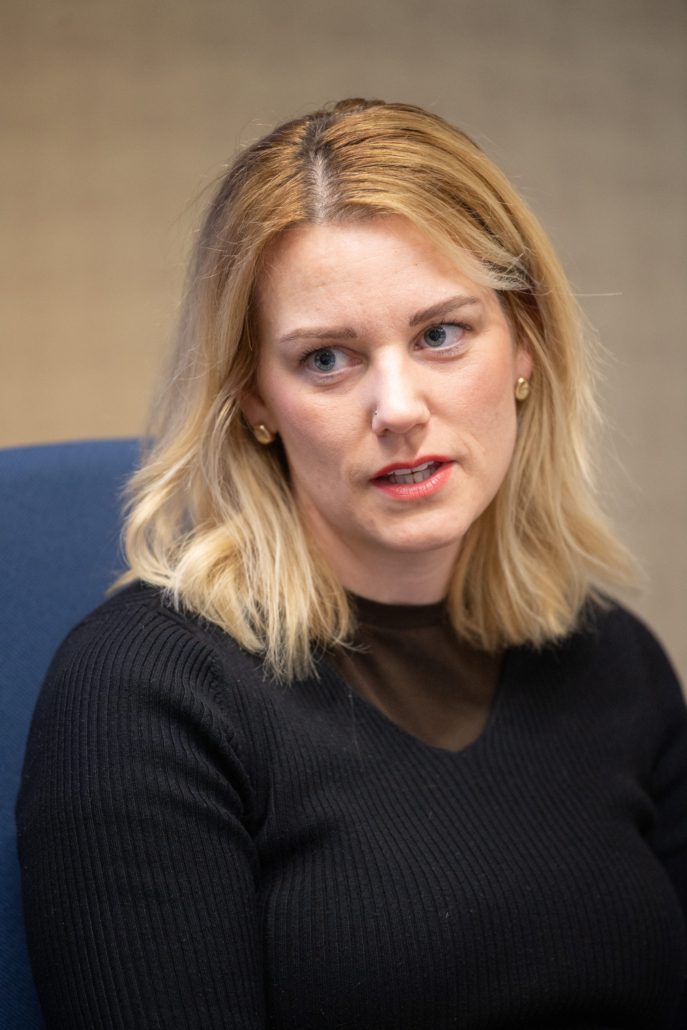
“According to the Circularity Gap Report 2025, only 6.9% of material flows can be considered circular due to rising material use—down from 7.2% last year,” said Bálint Bartha-Horváth, Senior Consultant at CBRE. Hungary lags behind the European average of 12.2% in this regard, with a circularity rate of around 7.3%. However, Bartha-Horváth emphasized that Hungary’s performance should be assessed in a broader context.
Countries with higher resource efficiency and better circularity indicators often consume more raw materials and generate more waste in absolute terms. Consequently, they may be further from the “ideal” level of circularity because their consumption significantly exceeds their ecological capacity. In Bálint Bartha-Horváth’s view, Hungary may not be as far from sustainable as often perceived if its ecological footprint is taken into account—although substantial work remains to be done.
 |
 |
 |
 |
 |
Collaboration Can Accelerate the Transition
Economic growth can be achieved without increasing material consumption by using resources more efficiently. Beyond innovations aimed at reducing material demand, this includes eliminating waste generated in industrial processes and utilizing by-products from other sectors.
“The circular economy is not a communication message—it is an operational issue. At ALTEO, we believe that industry must not only reduce the amount of waste that is generated but also systematically integrate recycling into its production processes,” emphasized Anita Simon, Managing Director of ALTEO Circular.
According to her, future competitiveness will depend on how effectively companies can transform by-products and waste into valuable resources for other industries. She views the circular approach not only as an environmental issue but also as a matter of supply security and economic resilience, helping reduce risks related to raw materials, energy price volatility, and dependence on critical materials. However, she stressed that this can only be achieved through value-chain-level and cross-industry cooperation, where companies think in interconnected systems rather than in isolation.
Experts agreed that accelerating the circular transition requires companies to gain deeper insight into its long-term strategic benefits and business opportunities, as well as obtain practical support for implementation and immediate action. Currently, companies primarily rely on public financial incentives, while making limited use of other external funding sources.
At present, circularity is still primarily considered a regulatory compliance task rather than a transformation of the mainstream business model. Nevertheless, European and national regulations are playing a crucial role, as they not only impose obligations but also create markets. Reporting requirements have significantly advanced the collection of circular economy data, though the accomplishment of many targets remains unsupported by adequate measurement. At the same time, there are truly frontrunner companies—both large corporations and SMEs—where complex circular systems are already in place, and the topic is addressed at a strategic level.
About the BCSDH Circular Economy Survey
Data collection for the survey was completed at the end of 2025, and the results were published on 27 January 2026.
The questionnaire was sent to nearly 150 BCSDH member companies, with 80 responses received, including 25 companies listed in the HVG TOP200 ranking.


