
From risk to strength: how climate resilience creates value
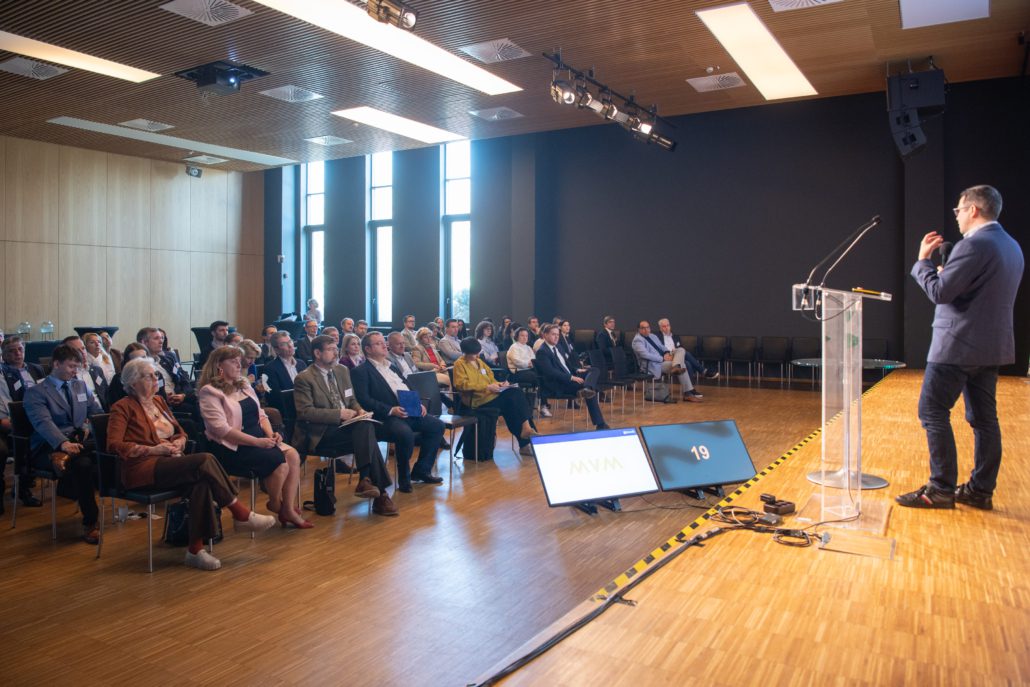
The world to which we aligned our companies, business models and systems no longer exists. Climate change–driven extremes and the related physical risks are escalating rapidly, posing a significant threat to businesses. Immediate action is needed in the field of climate resilience as well – this was highlighted at the business breakfast and professional forum of the Business Council for Sustainable Development in Hungary (BCSDH) held on 24 March 2026, which focused on resilience.
The cost of inaction is immense – without urgent efforts to decarbonize and strengthen adaptive capacity, current estimates suggest that physical risks could significantly affect companies’ financial performance by 2050, reducing EBITDA by up to 25% across critical industries globally. (Source: WBCSD) While mitigation remains critical, swift action on adaptation is equally essential to safeguard the resilience of workforces, supply chains, communities, and the natural ecosystems that businesses depend on.
 |
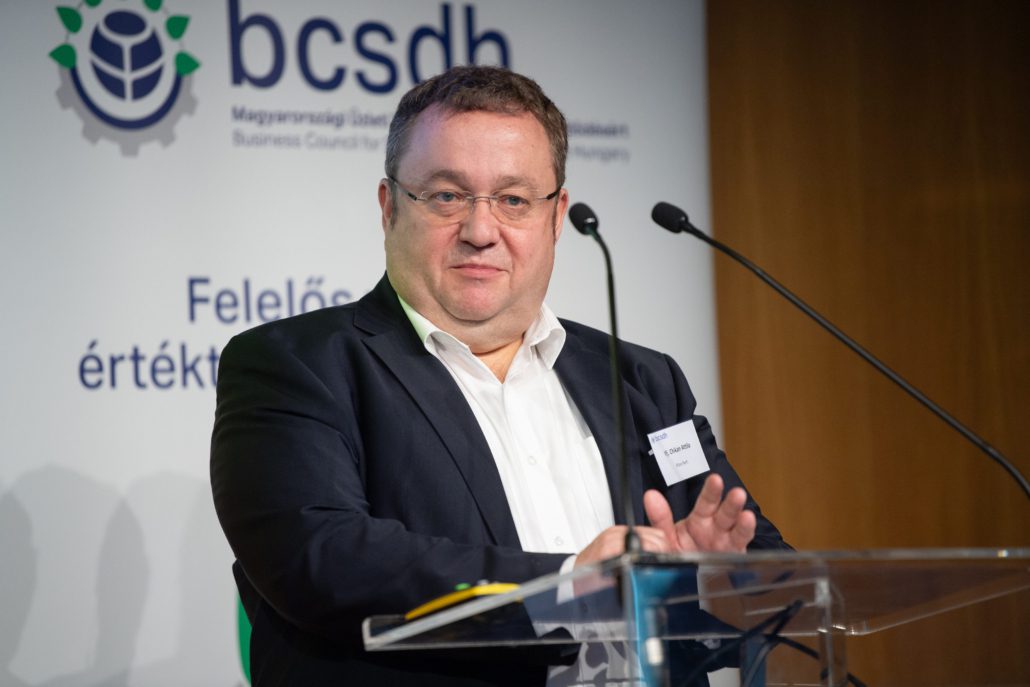 |
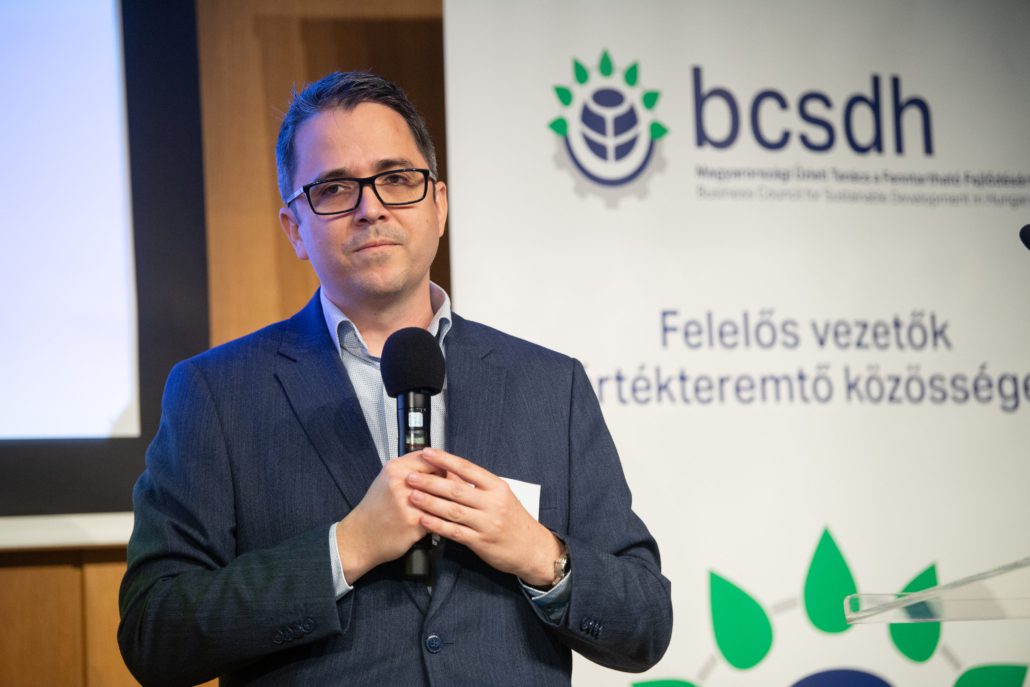
“Companies are already sensing the risks, yet currently only 25% of leading Hungarian companies identify, assess and manage climate-related risks and integrate them into corporate risk management and decision-support processes. Managing uncertainty and identifying solutions aligned with business objectives is not easy, but proactive investments in adaptation and resilience promise significant returns. Every dollar invested in resilience can generate up to four dollars in savings by avoiding health and productivity losses,” said Attila Chikán Jr., President of BCSDH, in his opening remarks. “More resilient companies are also more attractive to investors, customers and regulators, strengthening their long-term viability in an increasingly unpredictable climate. It is important that resilience shifts from a defensive concept to a strategic driver of sustainable, long-term value creation and risk-adjusted performance,” he added.
According to BCSDH’s latest ESG survey, 70% of leading companies agree that climate change poses a threat to their operations, and 80% believe that climate adaptation makes business sense.
 |
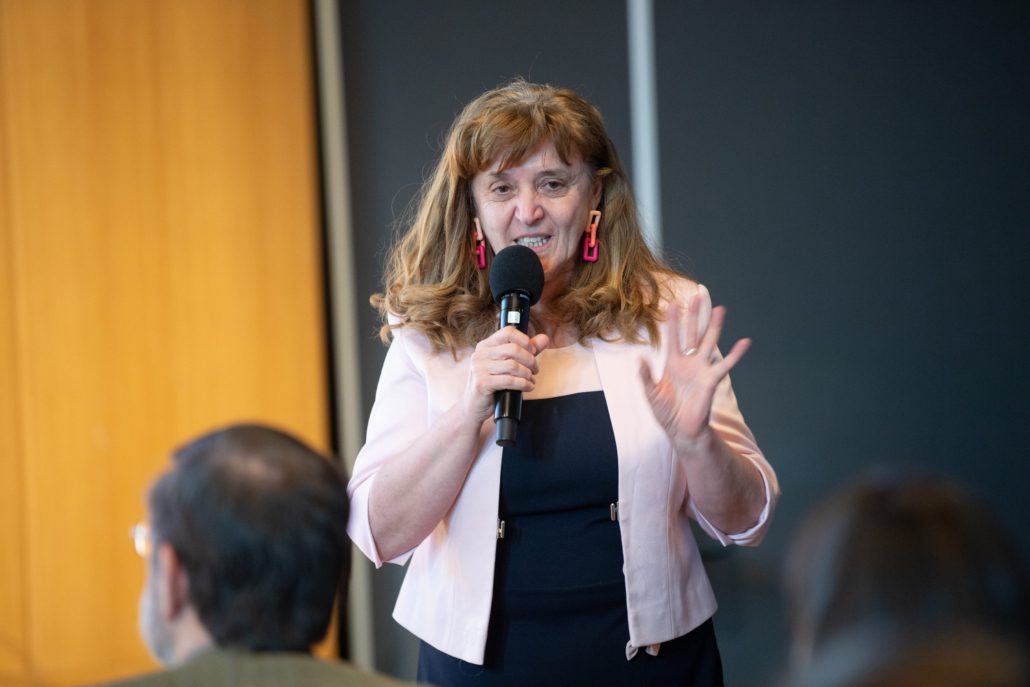 |
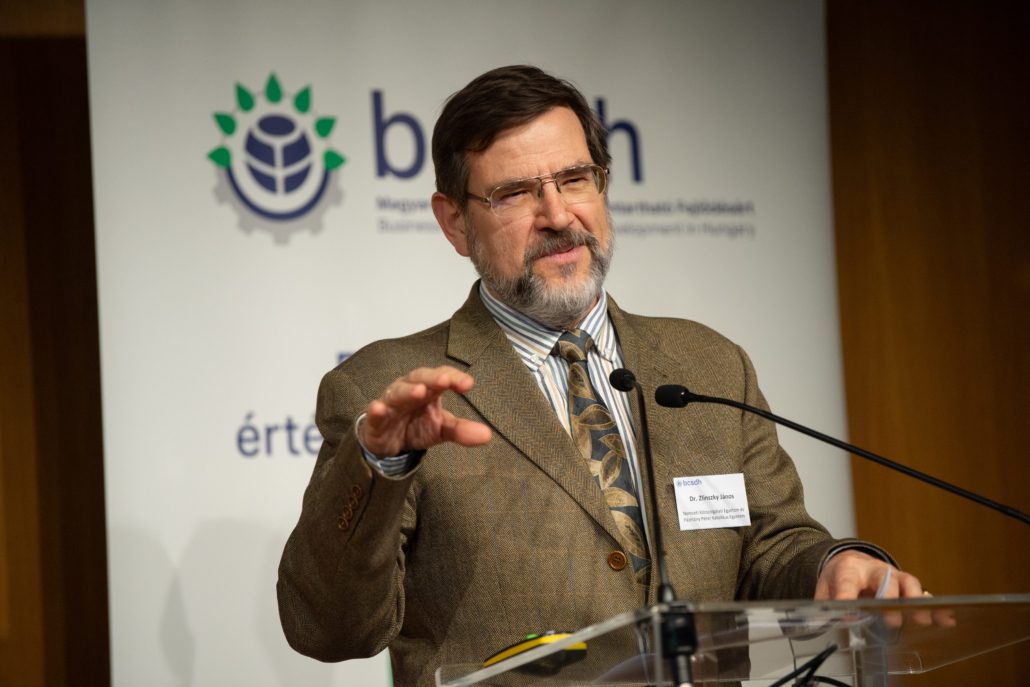
“Climate resilience is the ability of ecosystems, communities, businesses and infrastructure to anticipate, prepare for, respond to and recover from climate-related shocks, such as extreme weather events. It involves developing adaptive capacity, diversifying systems, and implementing forward-looking and precautionary strategies to ensure that essential functions are maintained during crises, and that systems can even evolve in innovative ways,” explained Dr. János Zlinszky, Associate Professor and member of the Advisory Board of the Equilibrium Institute. “It is not worth waiting for major shocks before transitioning to more resilient systems,” he added.
Climate change has both direct and indirect impacts on health, affecting environmental, social and public health factors. In line with IPCC reports, Hungarian studies also confirm that in the Carpathian Basin, extreme temperature events (heatwaves) currently pose the most significant health risk. In 2024, the national daily average temperature reached 25°C on 36 days, and the longest heatwave lasted 27 days. Over the past decade, daily mortality during heatwave days increased by approximately 15% on average nationwide.
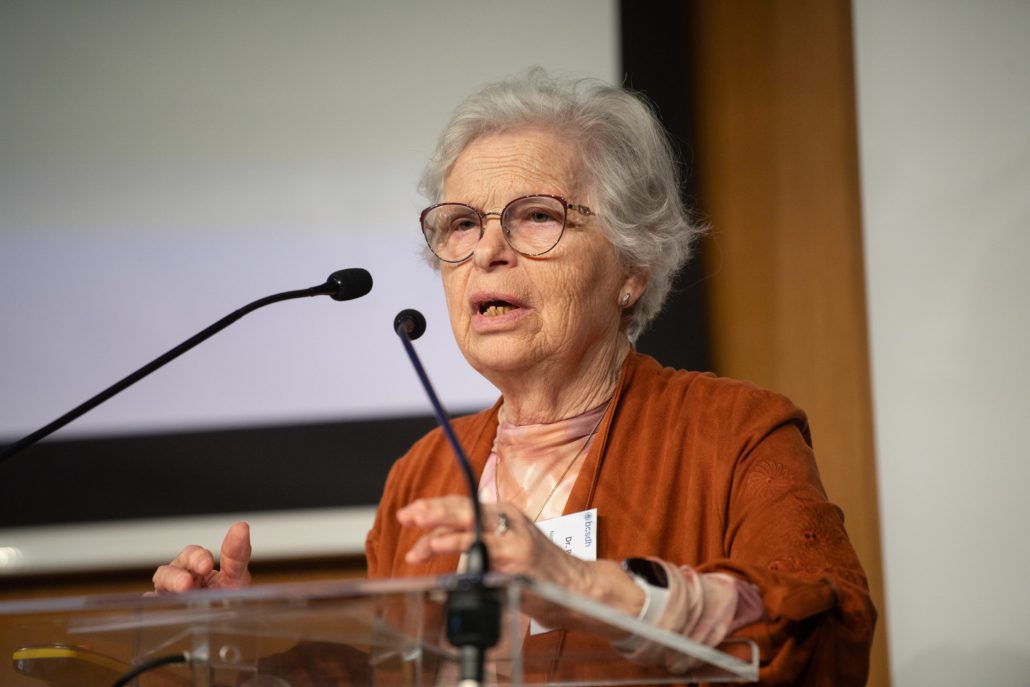
“Climate change has significant impacts on human health, including direct effects such as injuries or fatalities caused by extreme weather events, heat-related illnesses due to rising temperatures, and indirect impacts such as reduced work intensity and deteriorating mental health. Additionally, respiratory diseases caused by changes in the spatial and temporal distribution of pollen-producing plants, as well as illnesses transmitted by ticks and other insects spreading due to climate change, may also increase,” said Dr. Anna Páldy, Chief Medical Officer and advisor at the National Center for Public Health and Pharmacy, in her presentation. “Companies must be part of the solution. It is important to ensure healthy indoor air quality, protect employees’ mental health, provide heat protection and insect protection for outdoor work, safeguard workers handling pesticides, and reduce harmful effects by using alternative methods.”
 |
 |
According to World Bank estimates, climate-related damage to infrastructure could cause global losses of hundreds of billions of dollars annually by mid-century without adaptation.
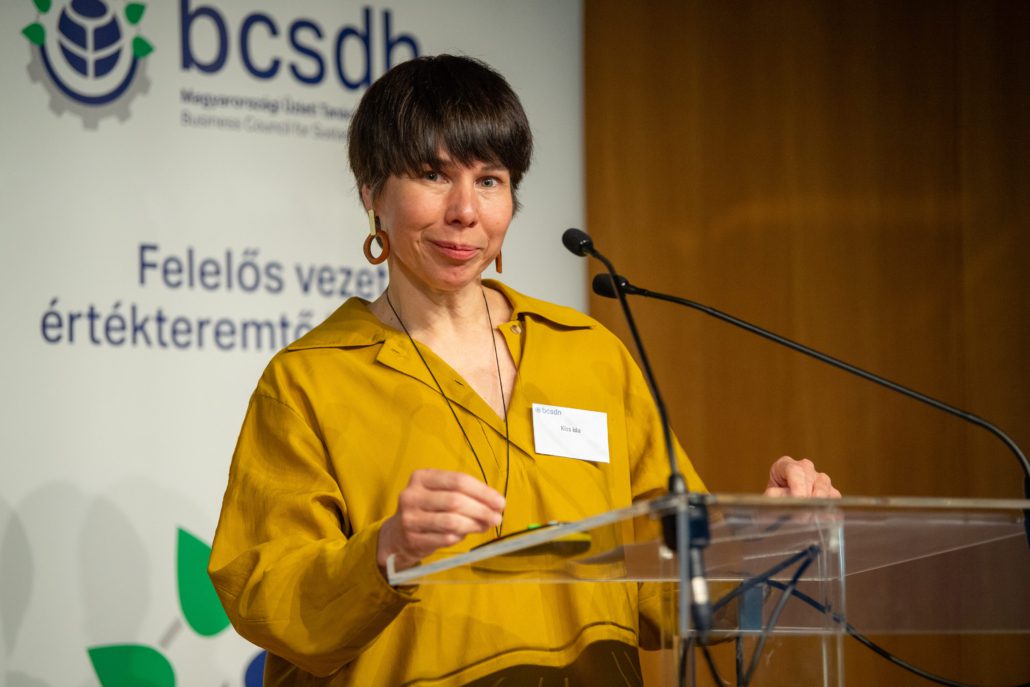
“The built environment is one of the largest CO₂ emitters, a major exposure point for climate resilience in our economy, and at the same time one of the biggest opportunities for intervention. Our resource use is increasing while reserves are being depleted – we have reached the point where we must change strategy,” said architect and sustainability strategy advisor Ida Kiss. “We must look at buildings the way we look at forests – as ecosystem service providers. If we design them regeneratively – respecting the local climate and land conditions, involving communities, responding to their needs, and in an adaptive way — with functions that are resilient to changing climate impacts and can be flexibly adjusted — the same building that previously only extracted resources and generated waste can have a positive impact on its environment. It can become safe and livable in the long term, not only for people, but also contribute to the preservation of biodiversity.,” she added.
The coming decade is likely to be even more volatile, shaped by geopolitical shifts, technological disruptions and accelerating climate pressures. Resilience will become a key driver of long-term performance, enabling companies and economies to adapt quickly and seize opportunities. It is increasingly becoming a defining competitive advantage – and an essential pathway to delivering durable value for future generations.
 |
 |
 |
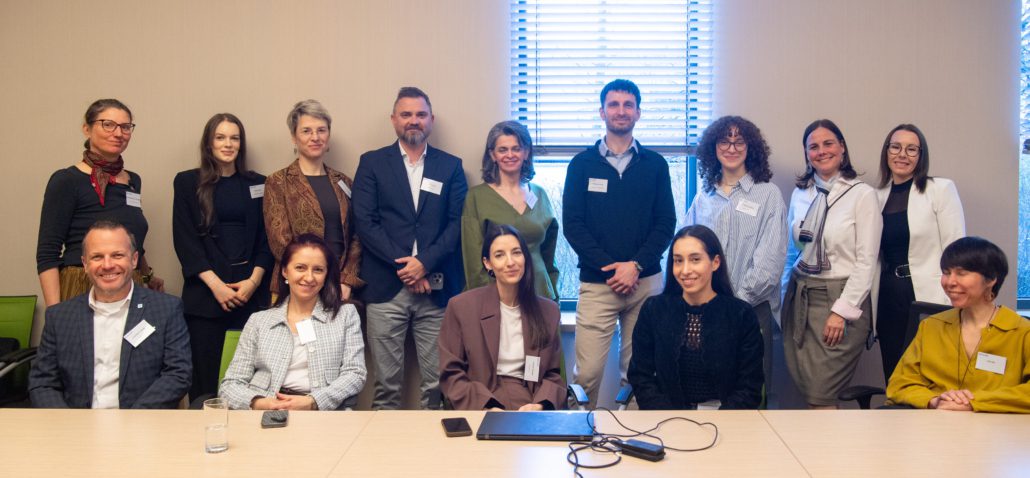
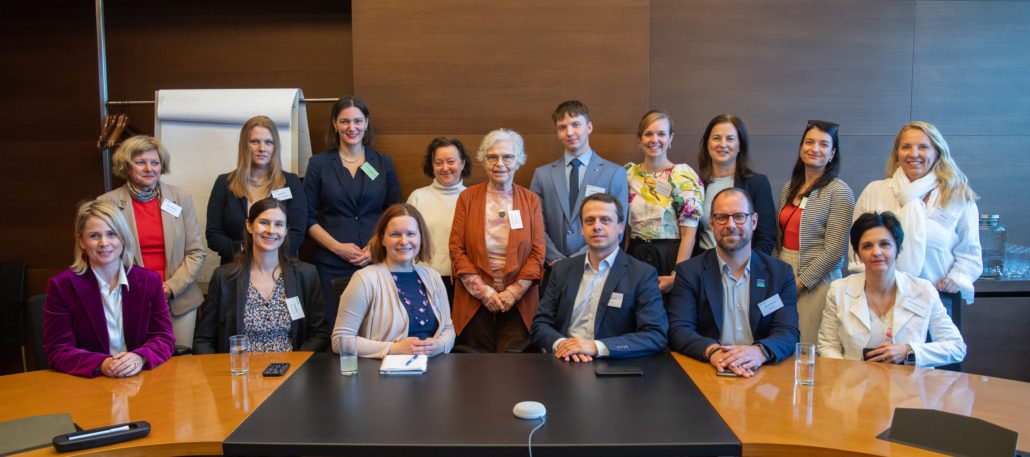
Following the presentations, a closed-door forum brought together business leaders and corporate, scientific and civil experts to jointly map the drivers and barriers of system-level changes supporting climate resilience across the three examined thematic areas, as well as existing business solutions. With the support of the three speakers, participants discussed key considerations and priority actions necessary for achieving economic and societal resilience.
The domestic context outlined at the forum, along with the identified challenges and enablers, will be further explored at CEO roundtable discussions in May and June. Our goal is to make the importance of climate resilience clear for companies and develop recommendations on value-creating resilience actions, which will be presented at BCSDH’s Business Lunch in November. Our priority is to encourage companies to take action in this area and support them in implementing the most important steps.
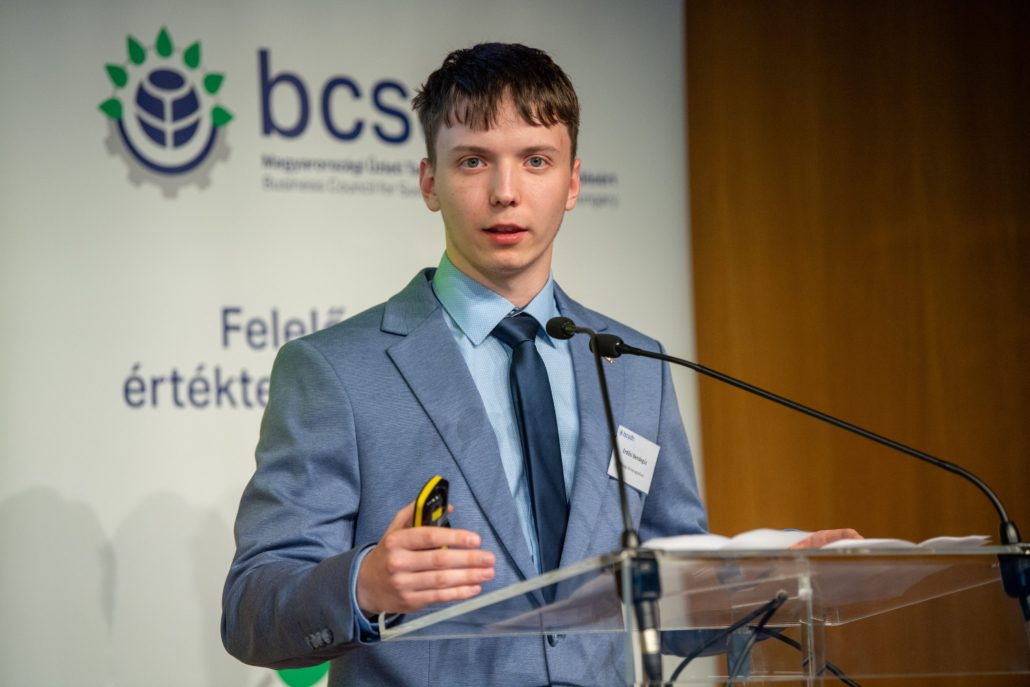
At the event, Bendegúz Erdősi, representing the Youth Climate Ambassadors, presented the first findings of a representative survey exploring social attitudes toward environmental protection in Hungary. The study was prepared with the support of the MCC Climate Policy Institute and is expected to be published in full in June. The fight against climate change is important to society, but it is overshadowed by more pressing public expectations, such as healthcare, the quality of education, reducing corruption, and improving the economic situation.


