Is sustainability over?
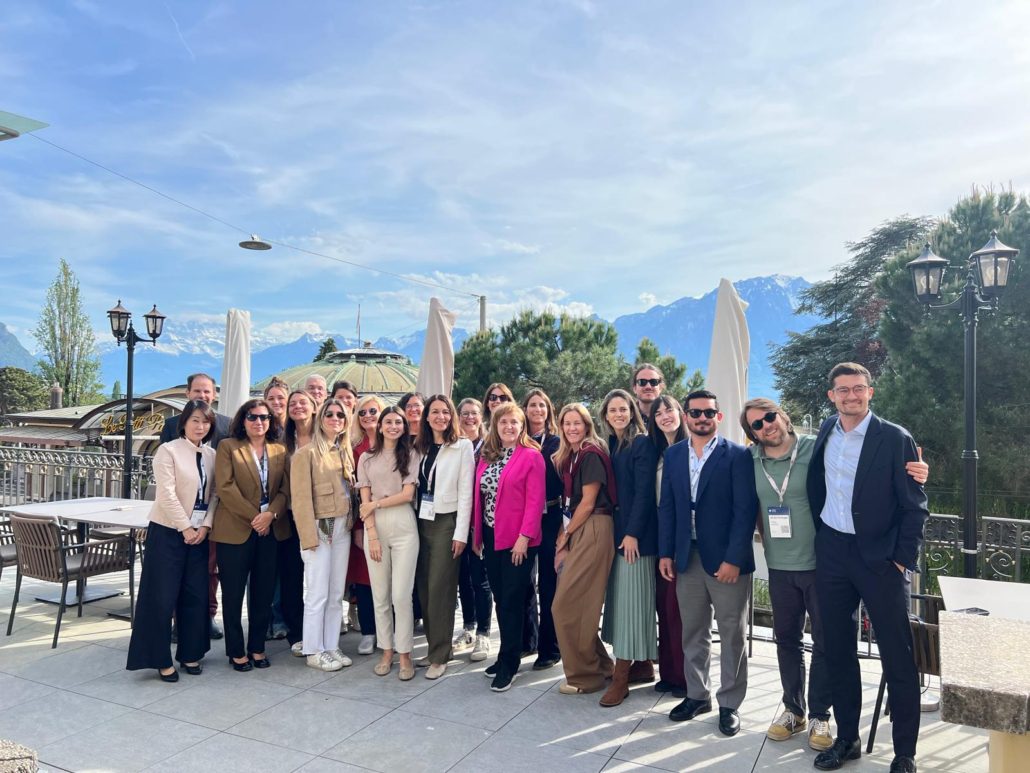
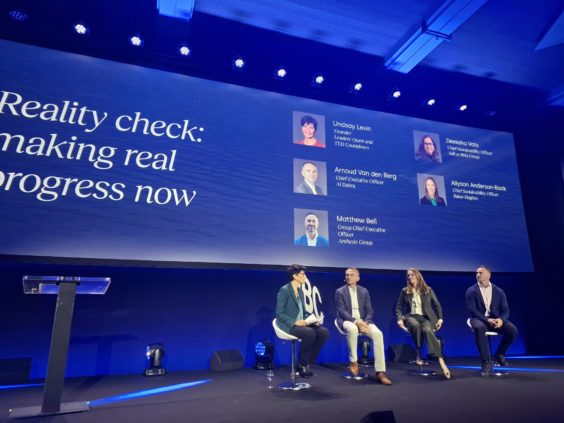
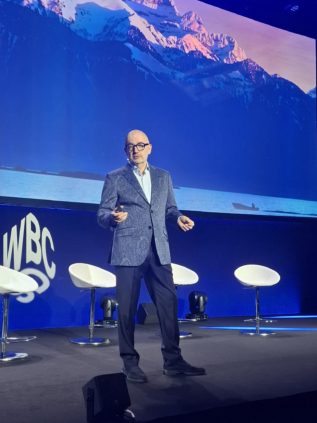
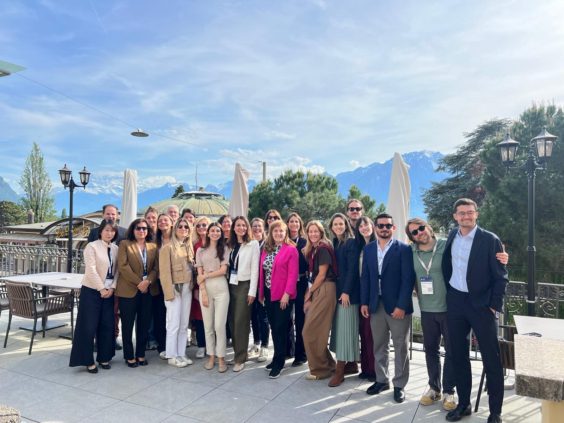
With this provocative question, Peter Bakker, CEO of the WBCSD – World Business Council for Sustainable Development opened this year’s annual meeting in Switzerland, in front of more than 600 business representatives from all over the world.
And it is no coincidence. Everywhere, companies are under pressure, and sustainability areas and budgets increasingly have to demonstrate their value to the business.
At a time of dizzying change, where the geopolitical and climatic environment put us in front of quite unprecedented challenges, companies operate under a lot of pressure, and highlight risks such as
🌐 Disruptions in value chains and doubts about the future of globalization
⛈️ extreme weather events and increased insurance costs
💻 AI’s impacts on the workforce
All this generates uncertainty… but also a huge opportunity.
To take advantage of it, we must change our perspective:
👉 Sustainability cannot be an “extra” or a “nice to have”
👉 it has to be understood as a strategic investment.
An excellent example is how the reduction of the carbon footprint, the progressive change in the composition of the energy matrix, the development of the carbon market and the electrification of consumption have been able to generate competitive advantages at the company and country level.
The challenge?
Today more than ever, sustainability needs to show its value with numbers, with measurable impact, a solid business case and demonstrate its ROI, without falling into short-termism.
This implies a profound change:
💹 Sustainability teams must speak the language of the business.
🤝 CFOs, boards and financial markets become key allies.
🌊 The risks of adaptation and nature require strategic analysis and investment.
Because sustainability has a direct impact on the success of the company on 3 levels:
1️⃣ Company level → financial performance, valuation, resilience
2️⃣ Product level → design, value proposition and customer preference
3️⃣ Value chain level → security of supply and operational continuity
So, is sustainability over?
Quite the opposite.
He grew.
He matured.
 |
 |
 |


