
Obligation, Opportunity or Value? What Does ESG Deliver Beyond Reporting?

The true value of ESG does not necessarily lie in the report itself. A well-designed measurement and data collection framework can provide a more accurate picture of a company’s operations, highlight areas for improvement, and support business decision-making. At the BCSDH ESG Working Group meeting on 17 September 2026, we explored through corporate examples what ESG can deliver beyond compliance.
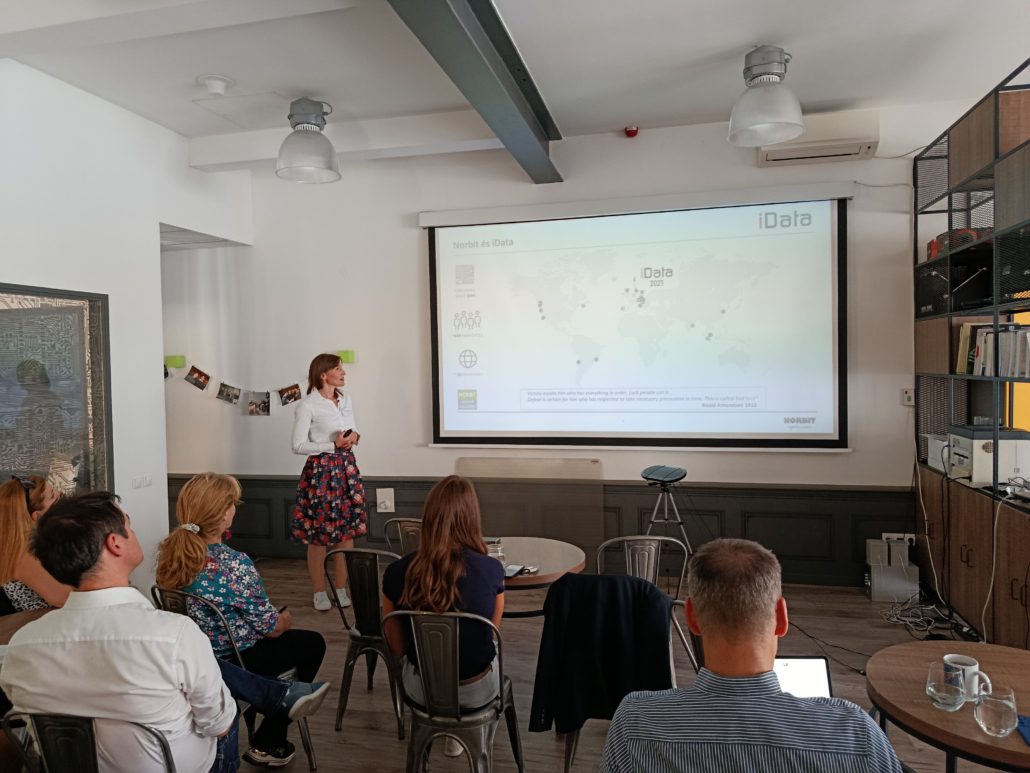
Participants were first welcomed by our host, Krisztina Vass, Managing Director of iData Kft., who presented iData’s approach to ESG and its sustainability efforts. Through fuel savings, route optimisation and measurable KPIs, the company’s telematics solutions also help its clients improve their environmental performance. In its own operations, iData also places a strong emphasis on equal opportunities and diversity.
 |
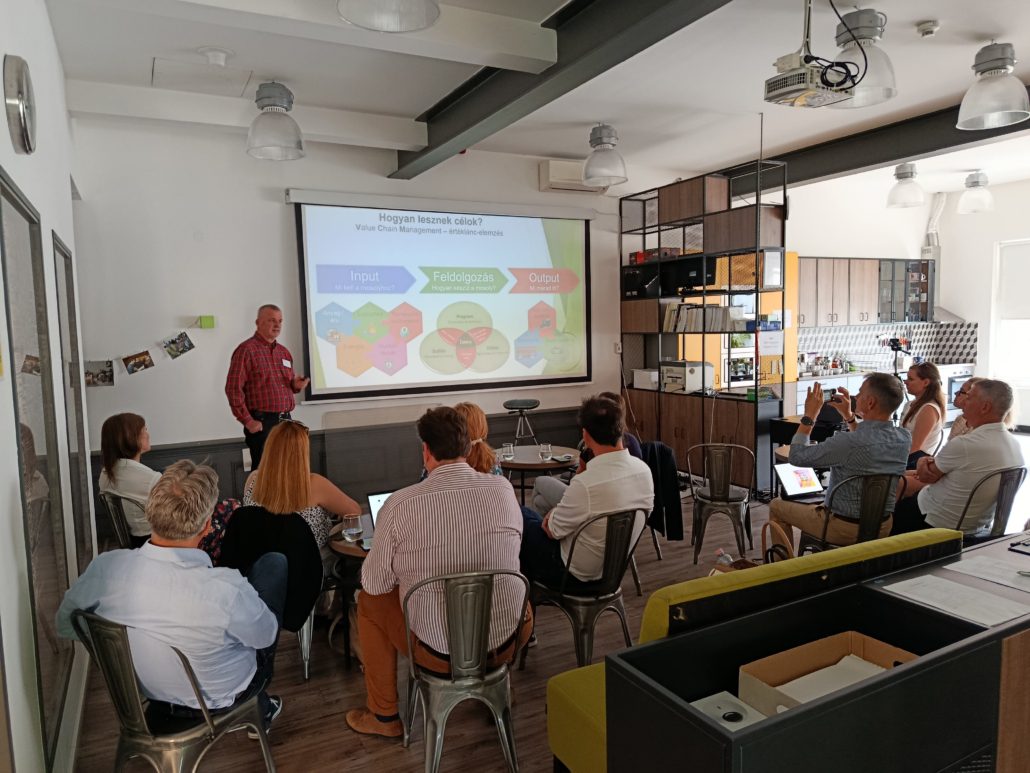 |
János Handó, Founder and Owner of Katica Tanya Experience Centre, opened with a deliberately provocative question: is ESG an obligation or an opportunity? For him, it is clearly the latter, as companies go through a learning process that helps them move forward, set objectives and identify areas for development. He also pointed out that traditional financial indicators alone do not reveal the environmental, social and governance “cost” of a company’s performance. One important role of ESG is therefore to make medium- and long-term impacts visible and measurable alongside short-term financial results.
 |
 |
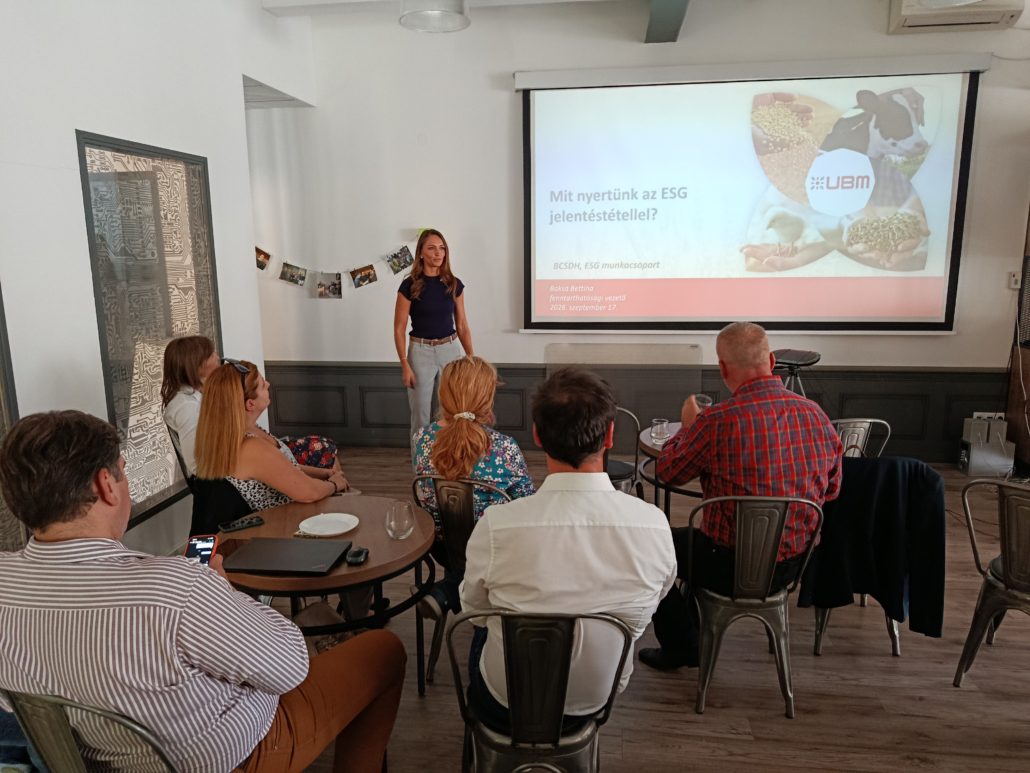
Bettina Baksa, Head of Sustainability at UBM Group, presented the business benefits the company has gained from voluntarily embarking on ESG reporting. One tangible outcome of the process is its internally developed BI–ESG dashboard, which brings ESG data that was previously managed across disparate sources into a single, integrated system. The resulting greater transparency, traceability and comparability also support the integration of ESG data into business decision-making.
Zsófia Galambosné Dudás, Professional Project Manager at BCSDH, provided an overview of the latest European and Hungarian regulatory developments. The main direction of the ESRS review is significant simplification and a stronger focus on materiality, while the voluntary reporting framework is also placing greater emphasis on proportionality and limiting data requests across the value chain.
The meeting continued with a professional discussion, during which participants shared their current challenges and experiences with one another.
Thanks to our sponsors!