
COP30: Momentum is Unstoppable – Business at the Heart of Accelerated Implementation
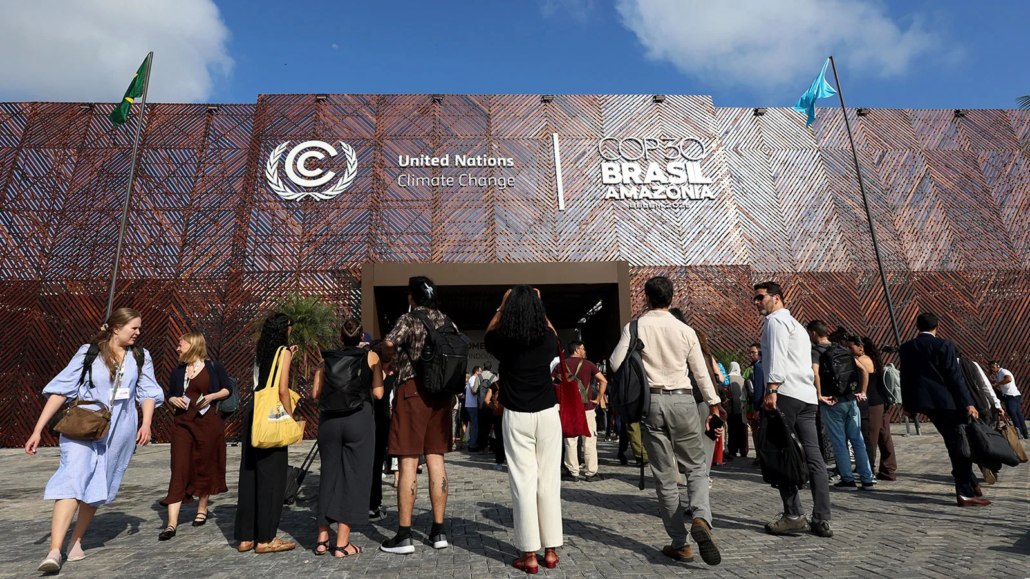
COP30 unfolded in a year marked by geopolitical tension and concerns over a roll back of climate leadership. Yet, although consensus negotiations were constrained, the message from Belém was unequivocal:
“The global transition towards low greenhouse gas emissions and climate-resilient development is irreversible and the trend of the future.”
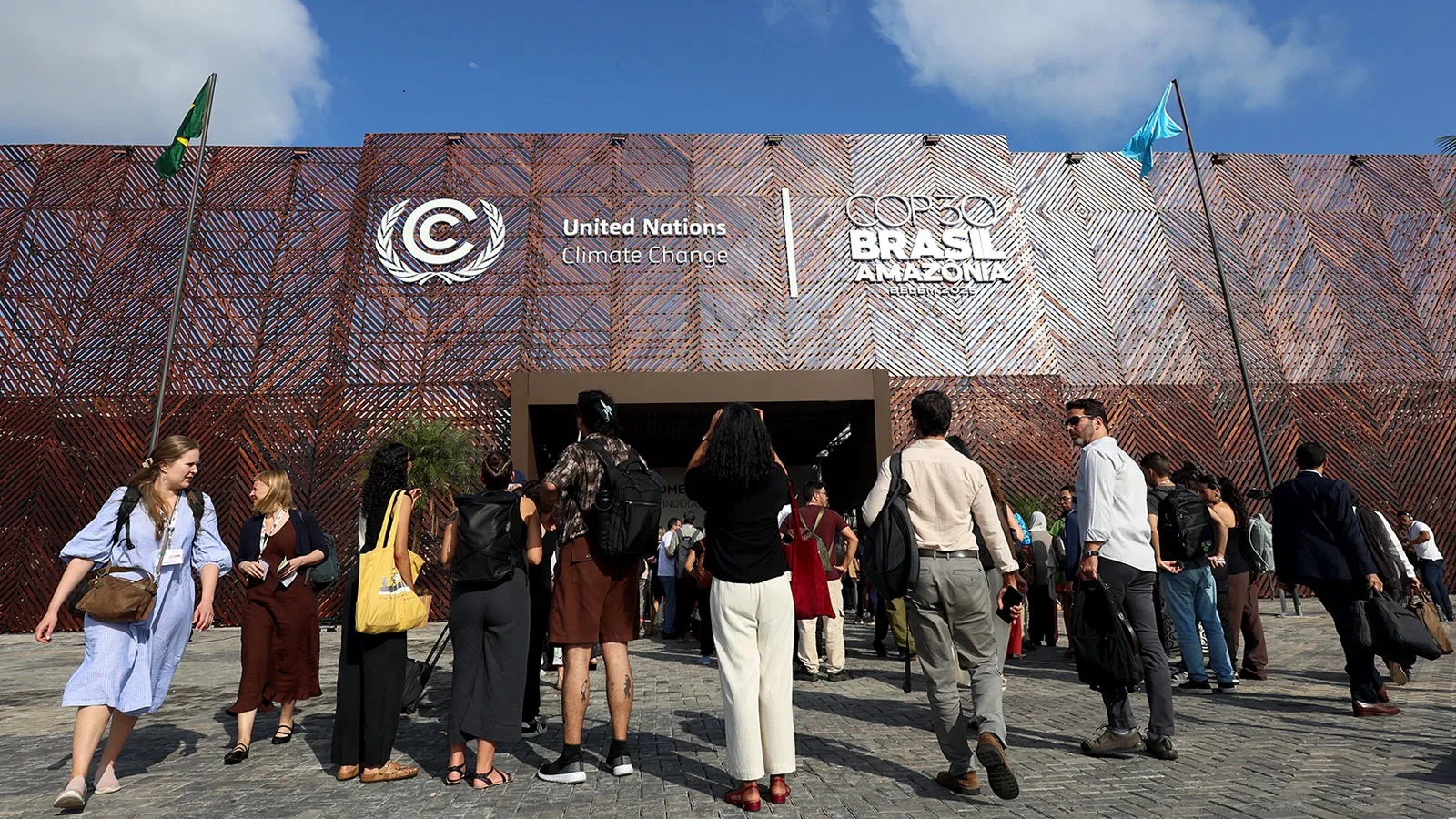 | COP30 was also a moment of restructuring and refocusing. The Paris Agreement was designed around bottom-up delivery based on national priorities, not top-down diktat. Ten years on, in the country where the UNFCCC was born, the full rulebook has been negotiated, and implementation has become the currency of climate action. Progress depends on identifying where interests align and creating momentum through practical collaboration, which is the way that the Paris Agreement was designed – around bottom-up delivery based on national priorities, not a top-down mandate. |
This became apparent not just through the elevation and restructuring of the Action Agenda – which mobilizes 480+ initiatives involving 190 countries, tens of thousands of businesses, investors, and cities – as the engine of delivery to unblock barriers and scale solutions. This was also visible in the COP30 outcomes – where no consensus was available, countries agreed to move forward on voluntary initiatives on transitioning away from fossil fuels, deforestation and a Global Implementation Accelerator to close the gap on NDCs.
For business, these developments matter because business has been at the heart of the Action Agenda and this represents a shift towards greater political focus on the enabling conditions for investment. This means both opportunity and responsibility:
- Identifying where clearer investment signals and frameworks are needed.
- Contributing to platforms to shape standards and influence policy.
- Working collaboratively to de-risk investments and technologies.
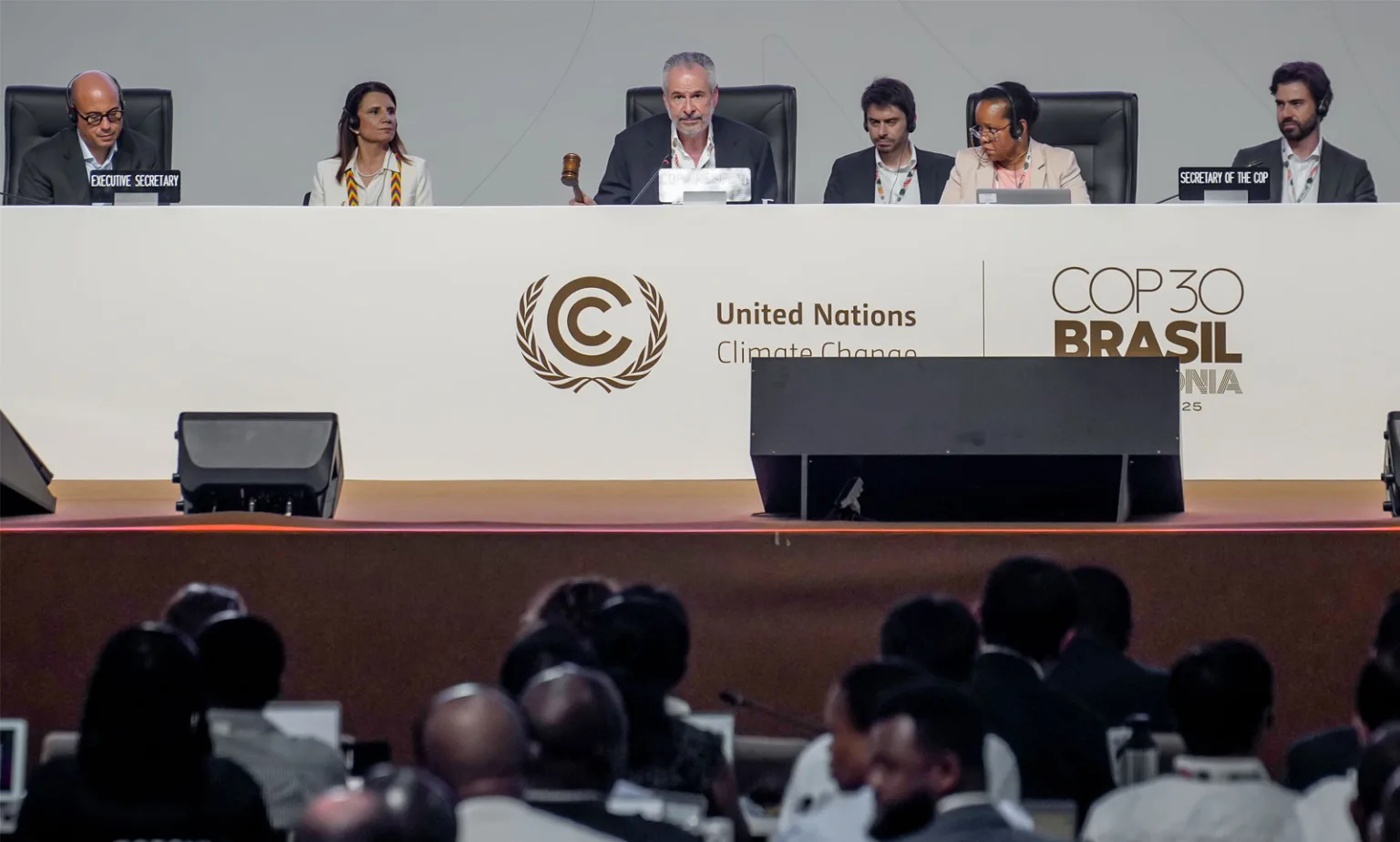 | Businesses need to move from calling for ambition, to identifying the practical actions and implementation barriers that turn climate goals into investable opportunities. And businesses did come out in force. At the pre-COP São Paulo business week, over 1500 business leaders and investors emphasized the need to work across value chains to achieve competitive and resilient outcomes and attract investment and during COP30 businesses from all sectors and continent were engaged. |
The World Business Council for Sustainable Development (WBCSD) detailed summary of COP30 is AVAILABLE HERE.
****
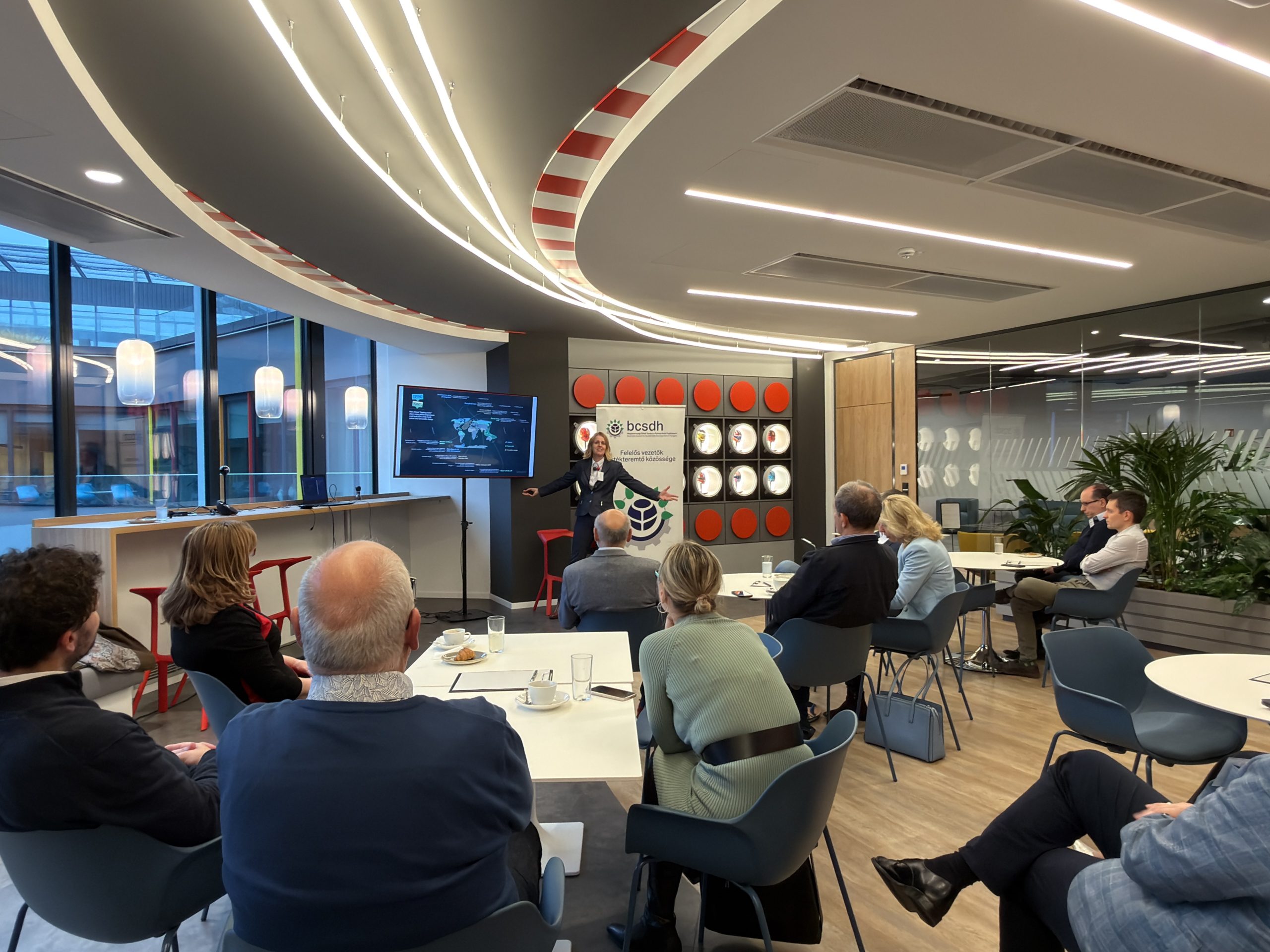 | At the Race to Zero working group meeting on November 25, Dr. Barbara Wassen, Ambassador-at-Large for Climate reported firsthand on developments and key decisions. You can read the related news and further information HERE. |


