BCSDH ‘Transform Talks’ 2026 – Focus on Climate Resilience: Why Do We Wait for Shocks Instead of Preparing?
The impacts of climate change are no longer challenges of the future. Heatwaves, supply chain disruptions, energy price fluctuations, labour market pressures and increasingly frequent extreme weather events are shaping the business environment. The question is no longer whether there will be further shocks, but how prepared and resilient we are.
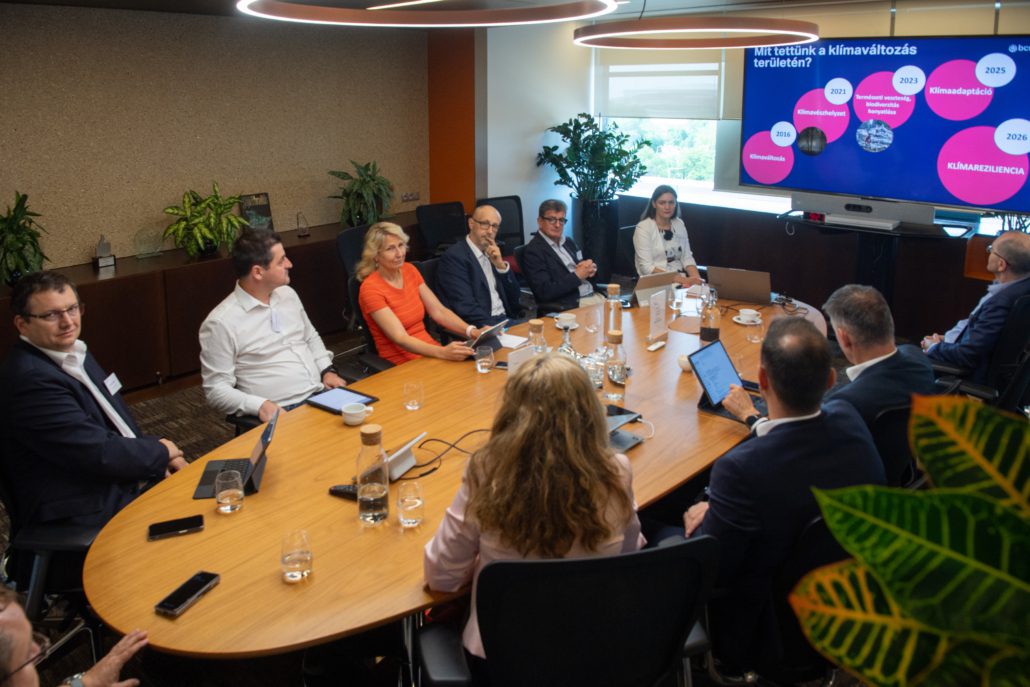
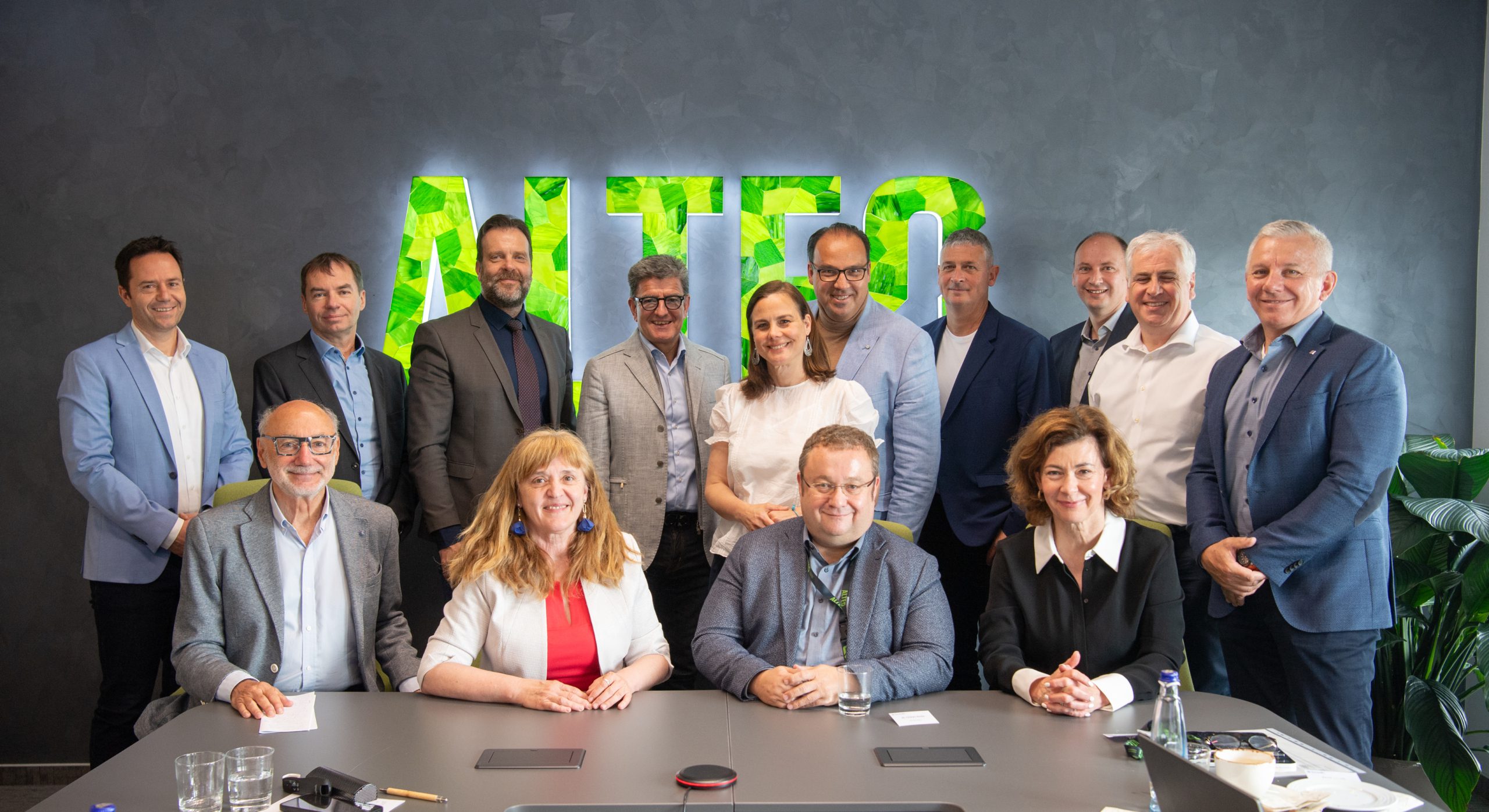
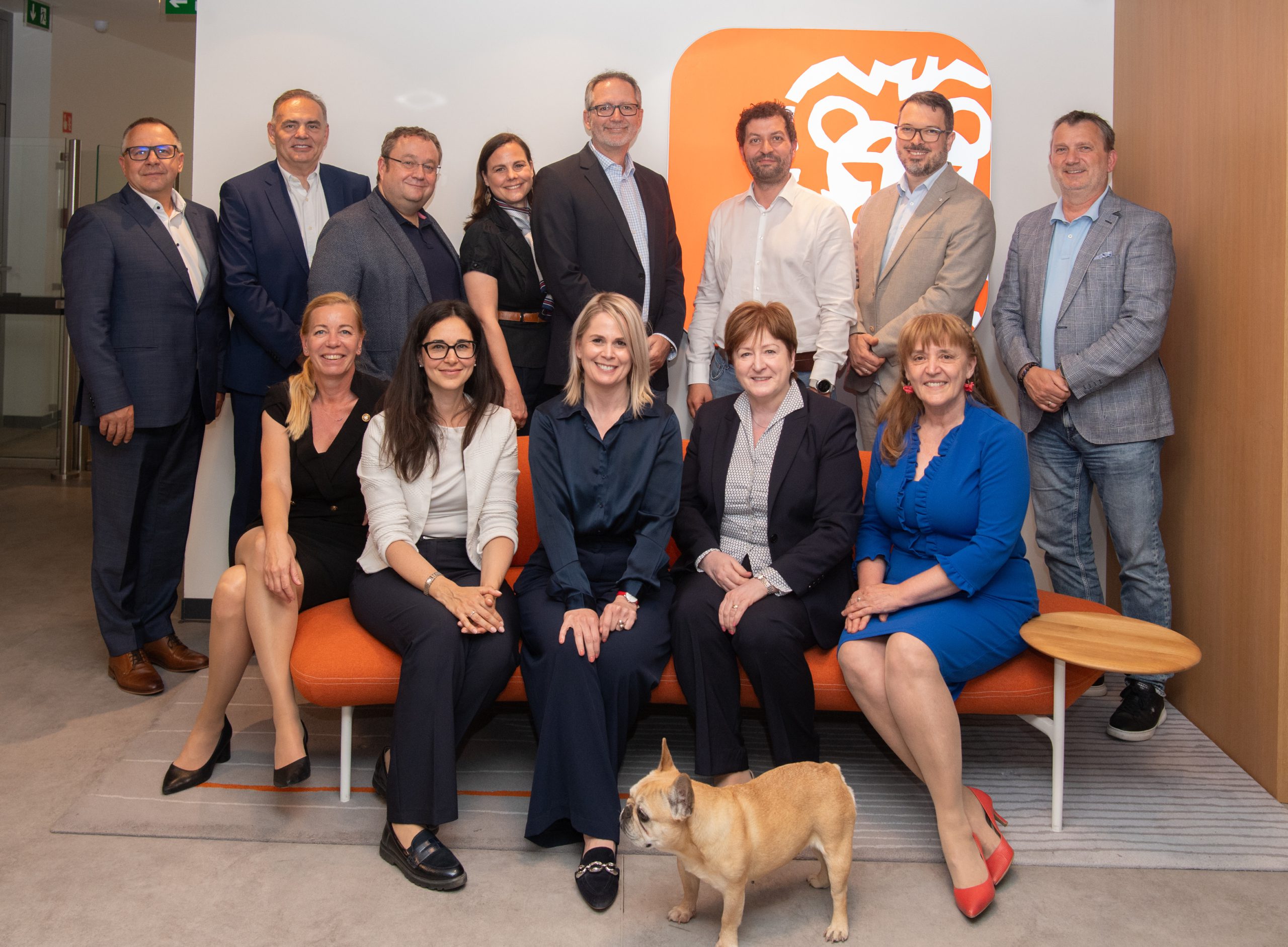
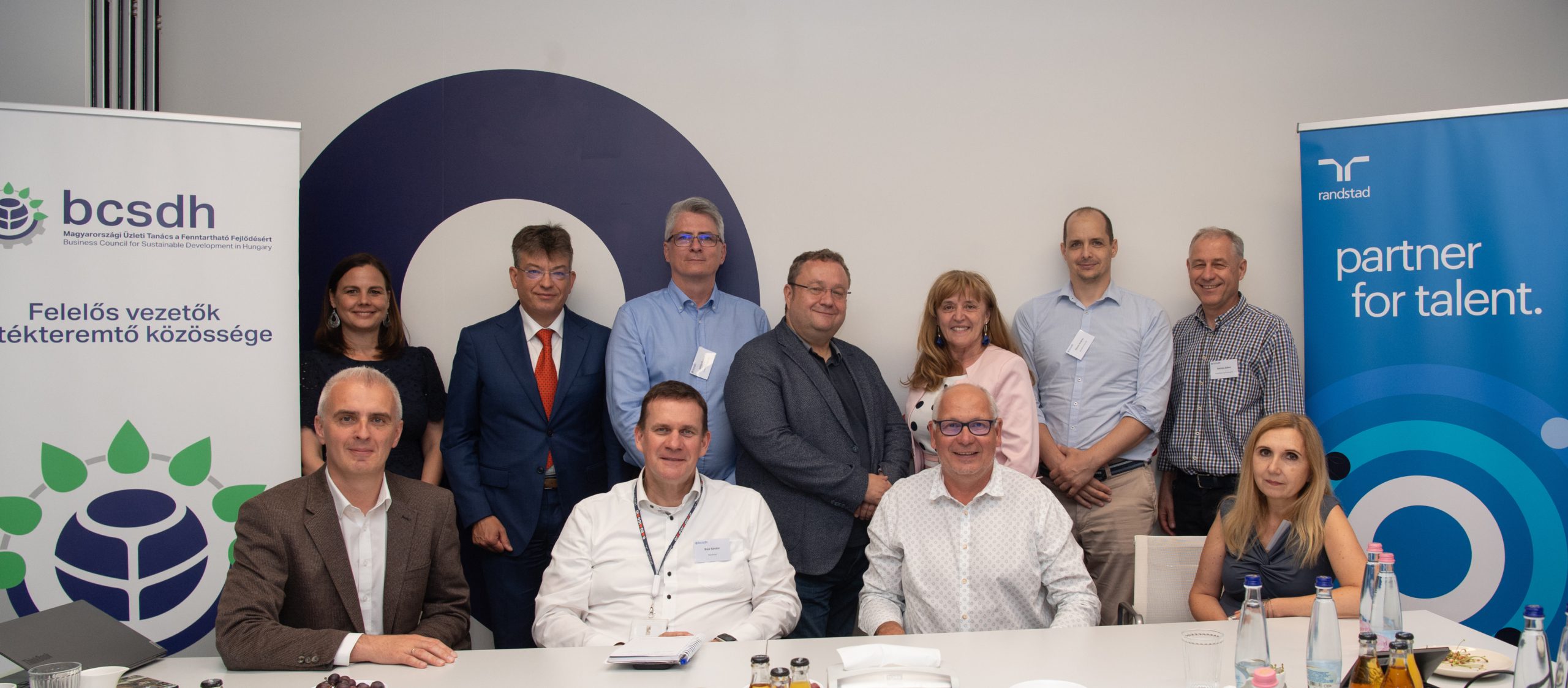
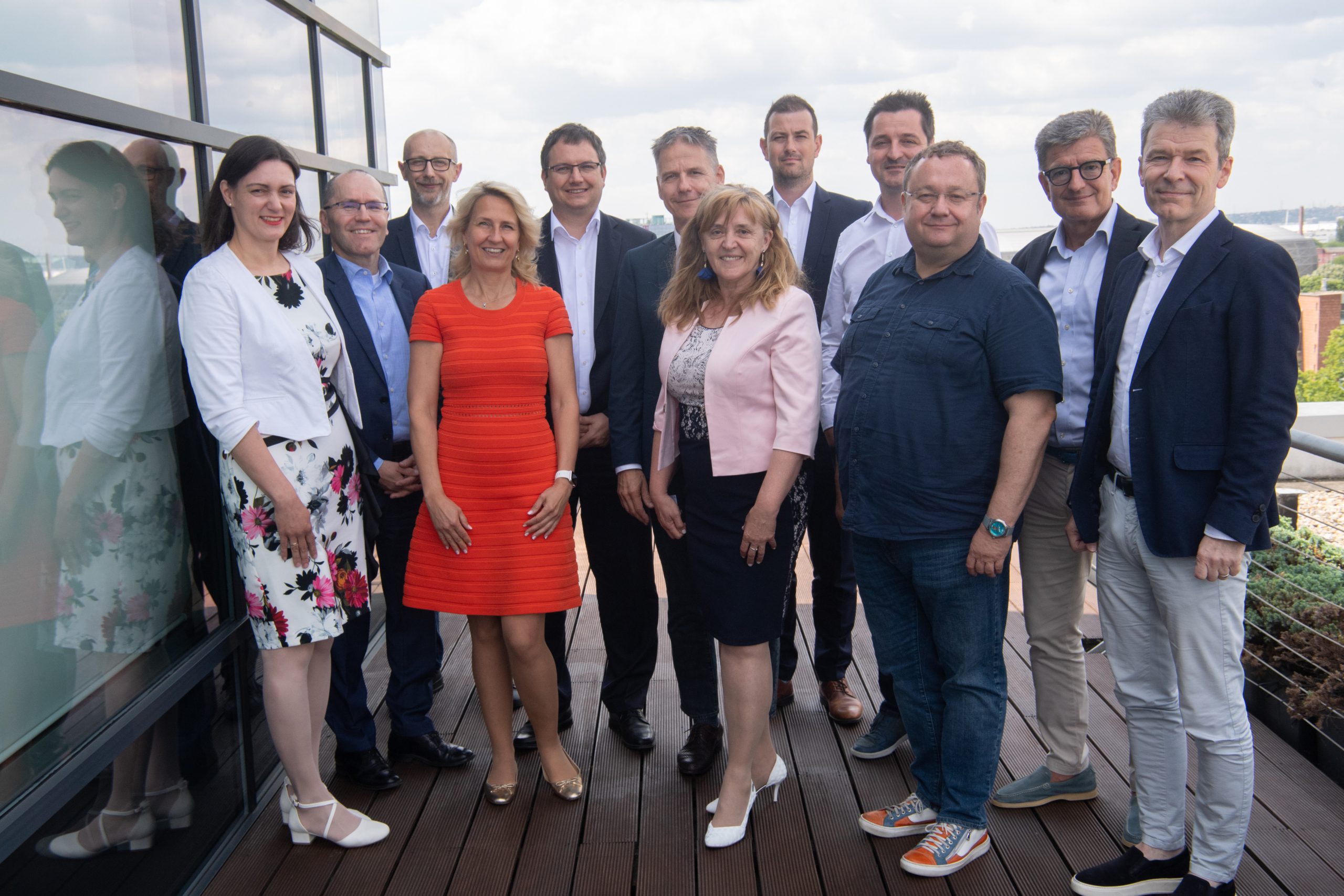
At this year’s ‘Transform Talks’ executive roundtable discussions, the CEOs of member companies met on four occasions to explore the topic of climate resilience in depth. One of the most important insights from the discussions was that a significant proportion of organisations still primarily react to crises, while real competitive advantage may lie in proactive, conscious preparation.
Resilience, however, does not simply mean adaptation. Rather, it is the ability of a company to remain operational in the face of unexpected situations, to learn, develop and even create new opportunities. Climate resilience is therefore not an environmental or technical issue, but a business continuity, human and competitiveness factor.
 |
 |
 |
 |
A recurring theme throughout the discussions was the tension between short- and long-term thinking. Corporate operations are often driven by quarterly results and short-term return expectations, while climate risks typically emerge over a longer time horizon. Yet it is becoming increasingly clear that these risks are, in fact, financial risks. The question, therefore, is not whether we can afford to invest in resilience, but whether we can afford to postpone it.
What makes an organisation truly resilient? Systems that are able to rely on a variety of solutions, are not dependent on a single critical element, have strong collaborative networks, and have reserves to manage unexpected situations prove to be more resilient.
The human side of resilience is equally important. Heat stress, climate anxiety, health risks and employee well-being have a direct impact on organisations’ ability to operate. The successful companies of the future will not only focus on technological or infrastructure developments, but will build a corporate culture that supports learning, adaptation and collaborative problem-solving.
The role of leadership by example is indispensable in this. Equally important is that companies do not seek answers in isolation. Climate resilience is increasingly becoming a value-chain-level issue, in which cooperation among suppliers, partners, local communities and financiers is decisive. It is no coincidence that, according to experts, one of the greatest opportunities of the next decade lies precisely in strengthening collaboration.
Perhaps the most important lesson is that resilience is not a standalone project or another compliance task. Rather, it is a mindset that helps companies create value even amid uncertainty. The only question that remains is: will we really wait for the next shock, or will we start building the company of the future while there is still time?
The concrete results of the ‘Transform Talks’ Executive Roundtable Discussions and our annual professional work will be presented at the BCSDH Business Lunch on 19 November.
Special thanks to the hosts of the events for providing the venues! The related photo galleries and LinkedIn posts can be viewed by clicking on the link:
| 12 May |  |
Galery | LinkedIn post |
| 19 May |  |
Galery | LinkedIn post |
| 10 June |  |
Galery | LinkedIn post |
| 18 June |  |
Galery | LinkedIn post |
Thank you to this year’s sponsor of the Time to Transform 2030 program!
Sponsor of the carbon-conscious organization of these events: