The European Circular Economy Hotspot in Budapest closed with a clear message: recycling alone is not enough—we must rethink how the economy works.
The circular economy is no longer just about what happens to waste. It is also about how many raw materials we use, how we design our products and the business decisions we make. At the European Circular Economy Hotspot in Budapest, nearly 300 participants from more than 20 countries across four continents joined international experts and business leaders to explore why recycling alone is not enough—and what is preventing proven solutions from being adopted more widely.
 |
 |
 |
The idea behind the circular economy is simple: products and materials should not become waste too soon, but remain in use for as long as possible. Putting more recycling bins in place, however, is far from enough to make this happen. If material use continues to grow, products have shorter lifespans and virgin materials remain cheaper than recycled ones, the system itself will not fundamentally change.
Waste Is Only Half the Problem
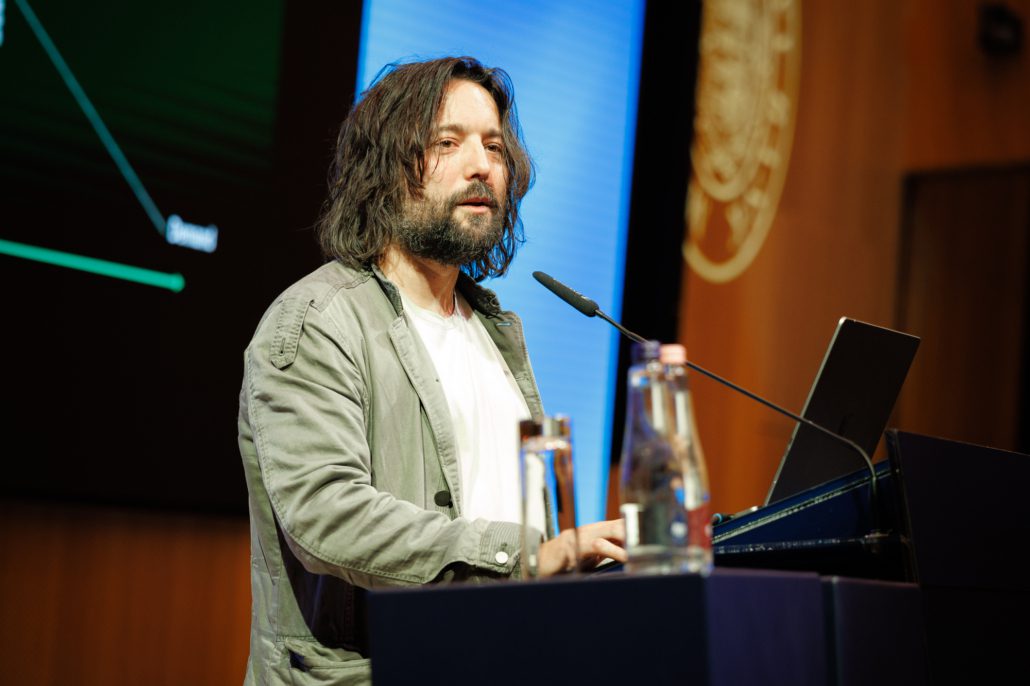
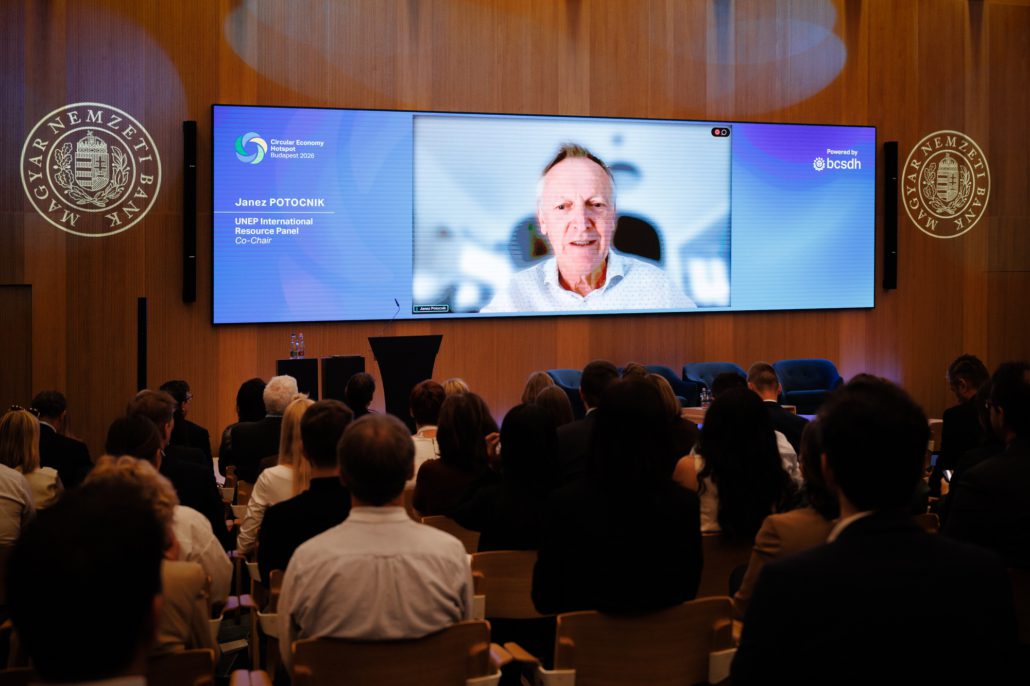
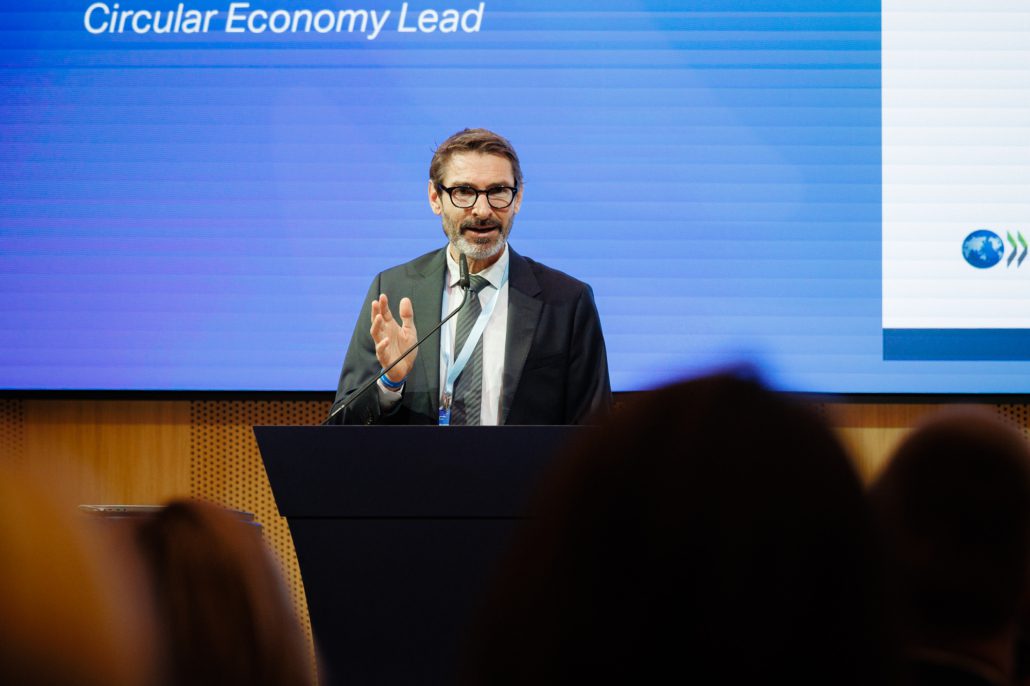
One of the conference’s central messages was that recycling alone is not enough: raw material use must also be reduced. Janez Potočnik, Co-Chair of the International Resource Panel, which operates under the United Nations Environment Programme, noted that the EU’s circular material use rate has improved by just one percentage point over the past 15 years. Peter Börkey, the OECD’s Head of Circular Economy, highlighted the scale of the challenge: only around one tenth of plastics are recycled, while the rate for rare earth elements is less than one per cent.
 |
 |
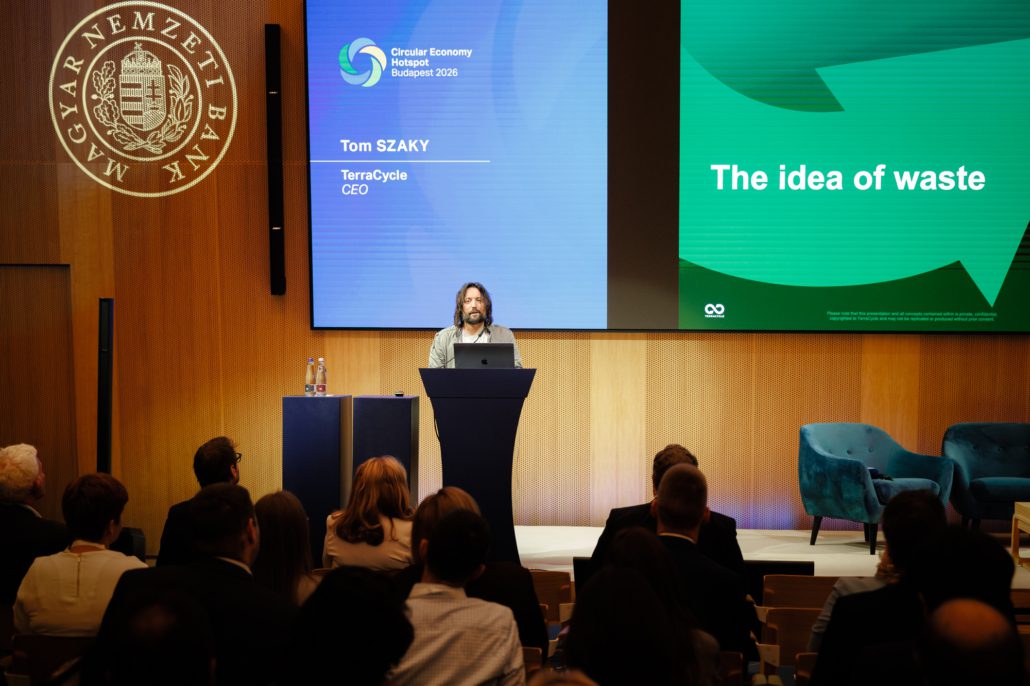
Tom Szaky, founder and CEO of TerraCycle, said regulation is also needed to drive change, as companies tend to choose the option that makes the most economic sense. In France, for example, regulations are encouraging the use of reusable products, including in food retail.
|
 |
Circularity Is Also a Competitiveness Issue
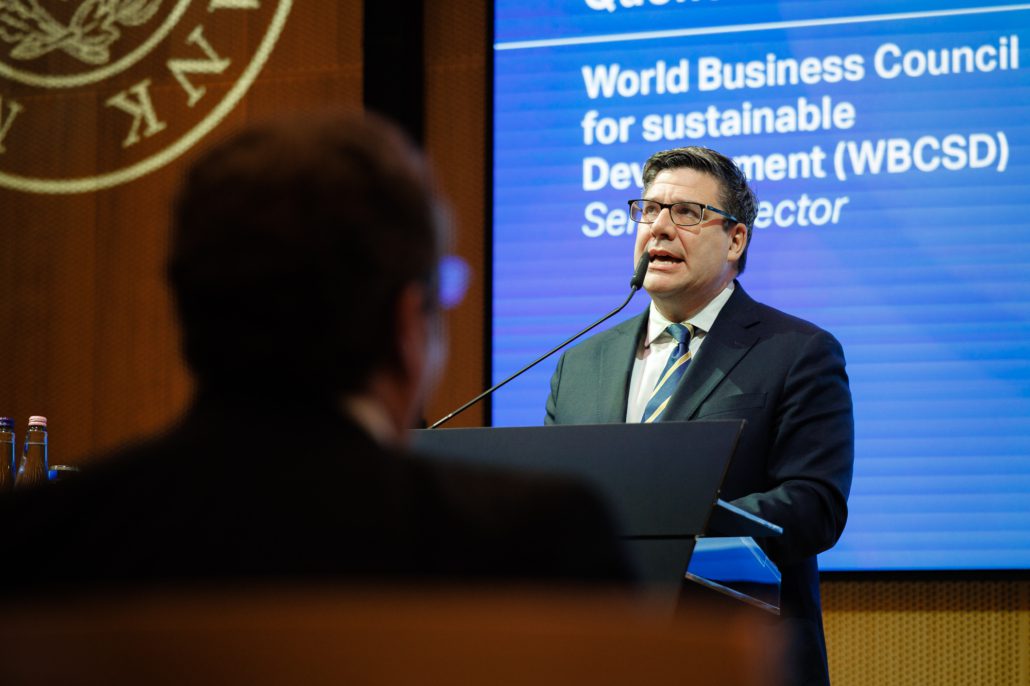
The linear economy creates environmental pressures and growing business risks: volatile raw material prices, supply chain disruptions and regulatory uncertainty can all make it harder for companies to operate. Quentin Drewell, Senior Director at the World Business Council for Sustainable Development (WBCSD), said circularity therefore needs to be embedded in corporate strategy and financial decision-making.
 |
 |
The aim is for companies to measure not only how much waste they generate, but also how dependent they are on a continuous supply of virgin raw materials. This makes circular operations a strategic issue—not only as a sustainability commitment, but also in terms of costs, security of supply and access to finance. The conference also heard that Hungary plans to join the global protocol’s pilot programme.
Collaboration Is Key
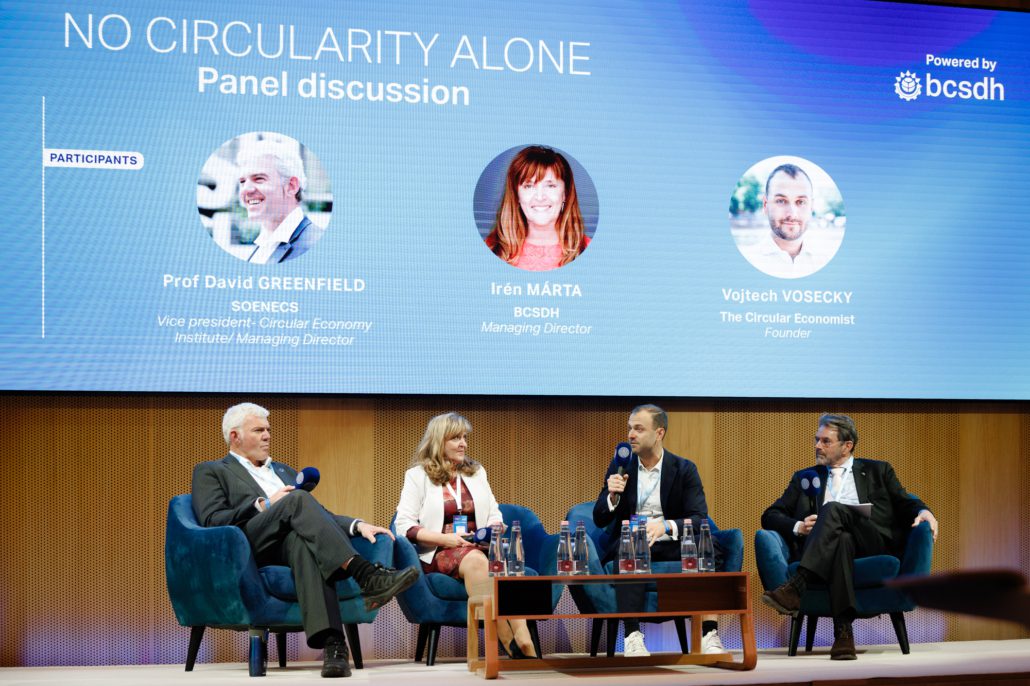
The panel discussion “No Circularity Alone – Collaboration as a Strategic Competitive Advantage,” moderated by Freek van Eijk, CEO of Holland Circular Hotspot, and featuring Prof. David Greenfield, Vice President of the Circular Economy Institute and Managing Director of SOENECS; Márta Irén, Managing Director of BCSDH; and Vojtech Vosecky, founder of The Circular Economist, concluded that the transition to a circular economy cannot be achieved by any single company. Collaboration across value chains, knowledge sharing and a predictable regulatory environment are essential to turn individual initiatives into systemic change.
 |
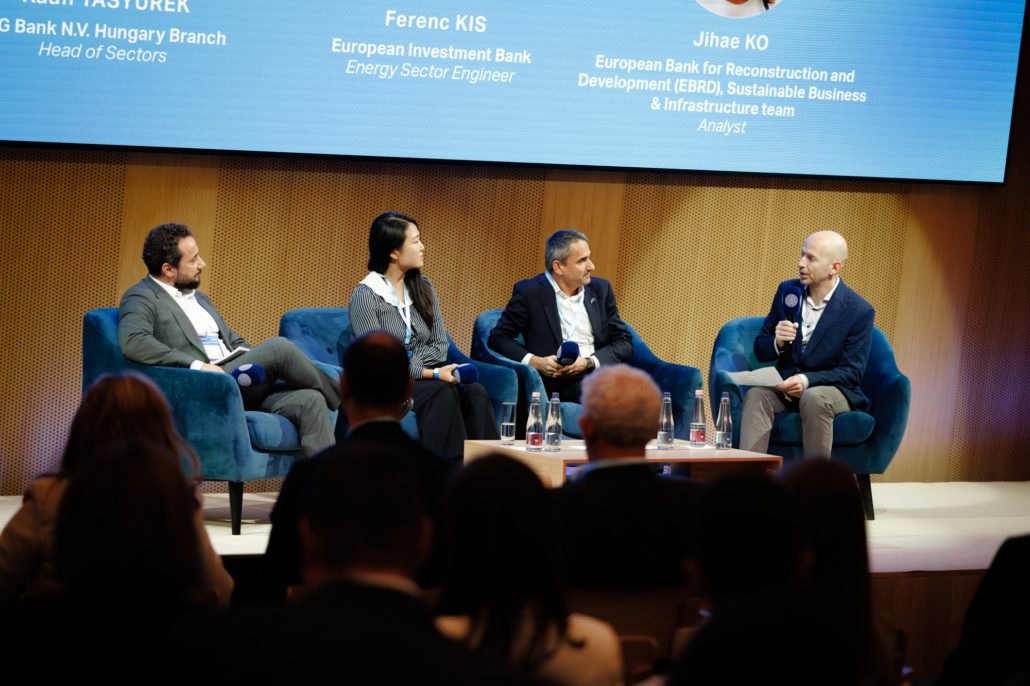 |
The panel discussion “Projects Seeking Financing,” moderated by Gábor Gyura of the Hungarian Sustainable Investment and Finance Association (HuSIF), focused on a key question: how does the financial sector assess the opportunities presented by the circular economy, and what does it take for a project to become investment-ready? Participants Kaan Tasyürek, Head of Sectors at ING Bank N.V. Hungary Branch; Ferenc Kis, Energy Sector Engineer at the European Investment Bank (EIB); and Jihae Ko, Analyst in the Sustainable Business & Infrastructure team at the European Bank for Reconstruction and Development (EBRD), agreed that delivering circular investments depends on collaboration between businesses and financial institutions, as well as a shared understanding of investment risks and financing conditions. This can help bring innovative solutions into practice and support their wider adoption.
From Clothing Swaps to Industrial Waste Management
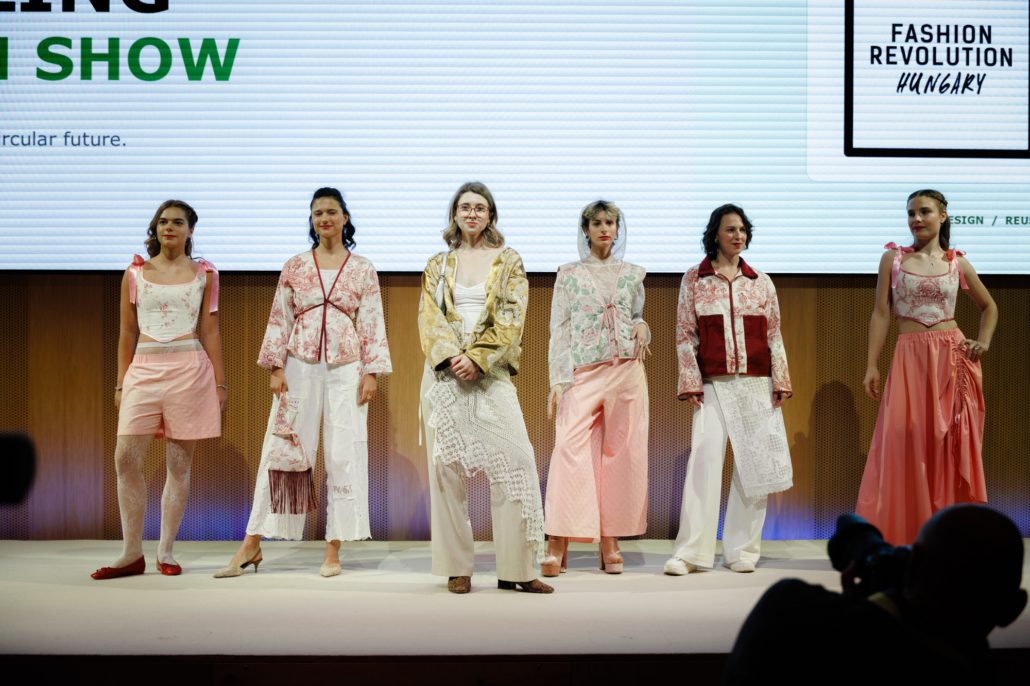
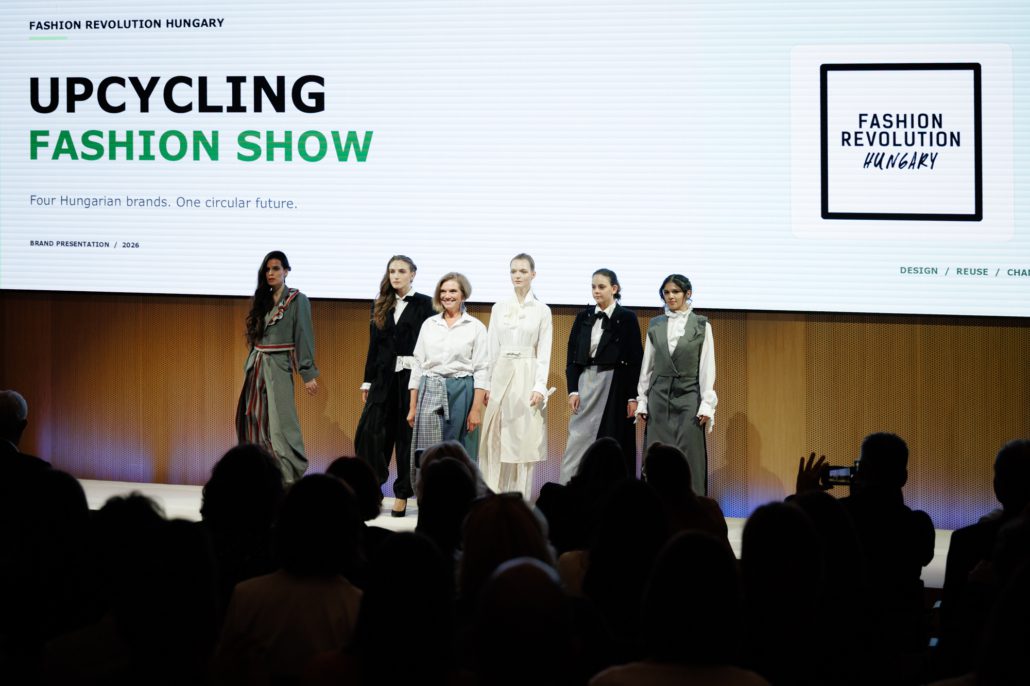
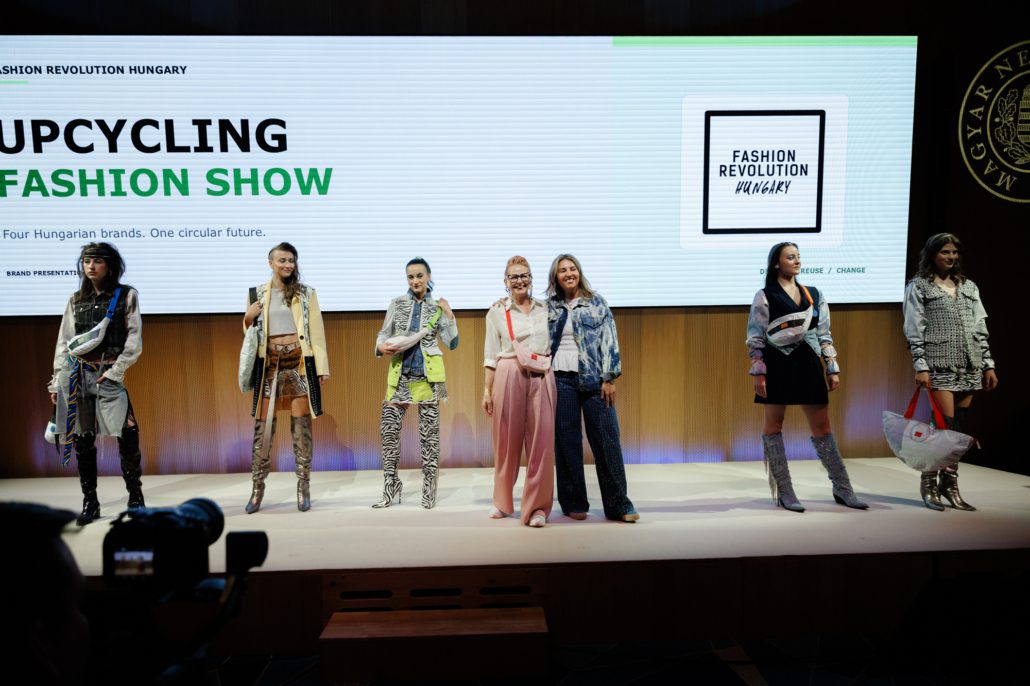
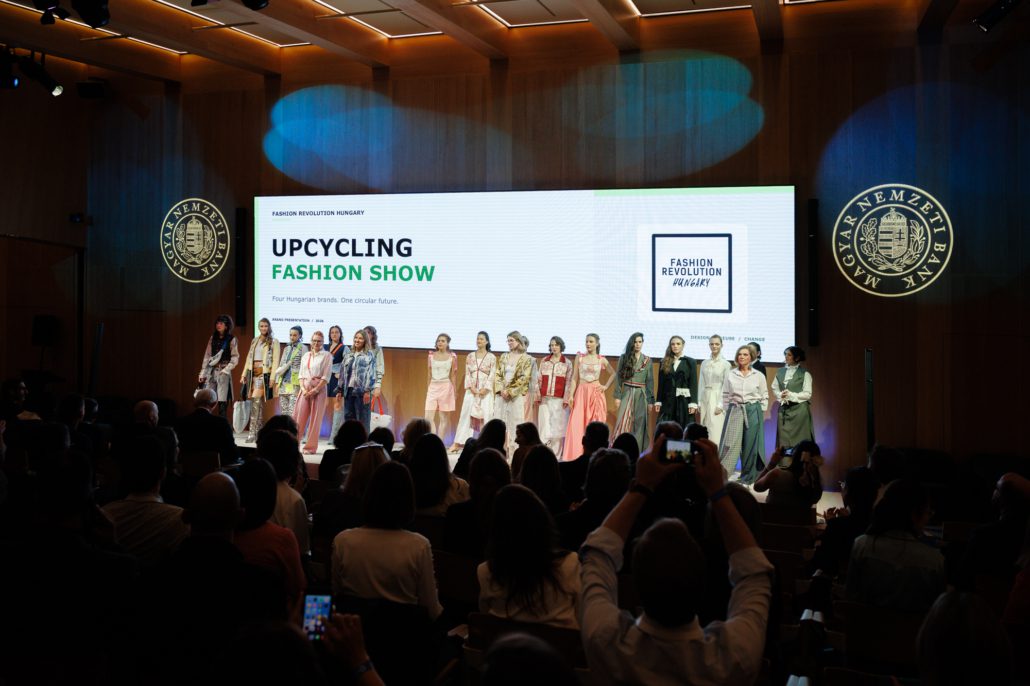
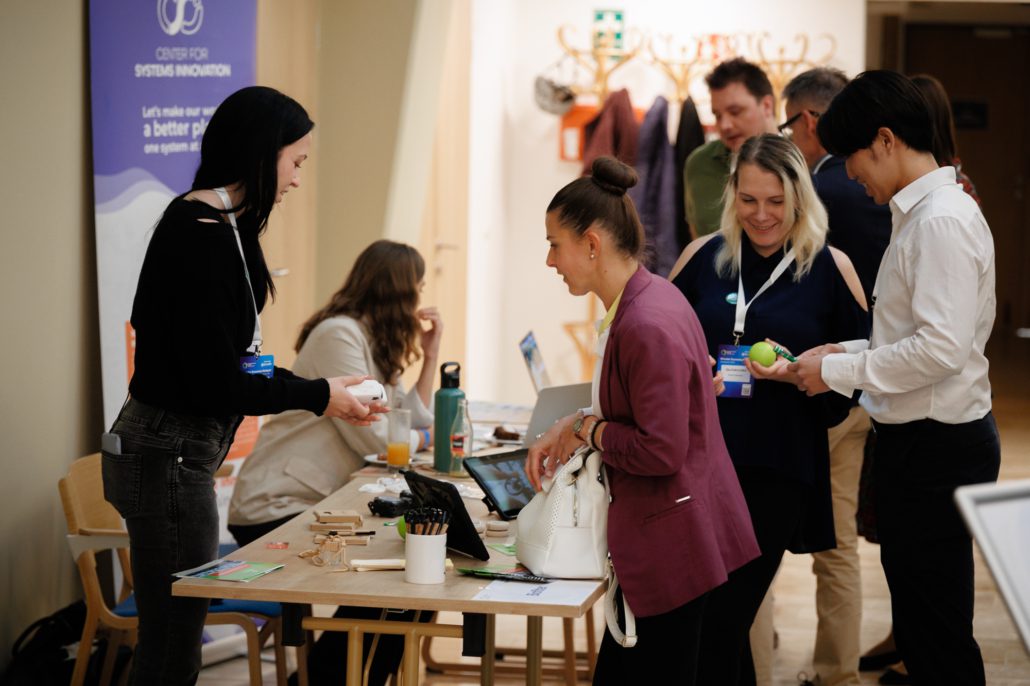
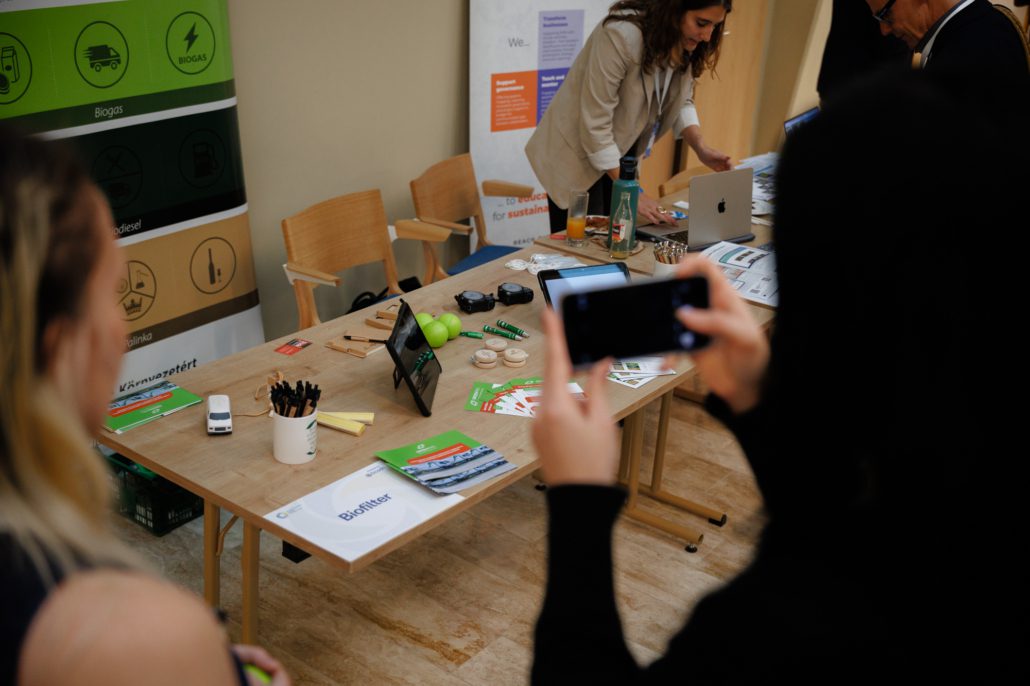
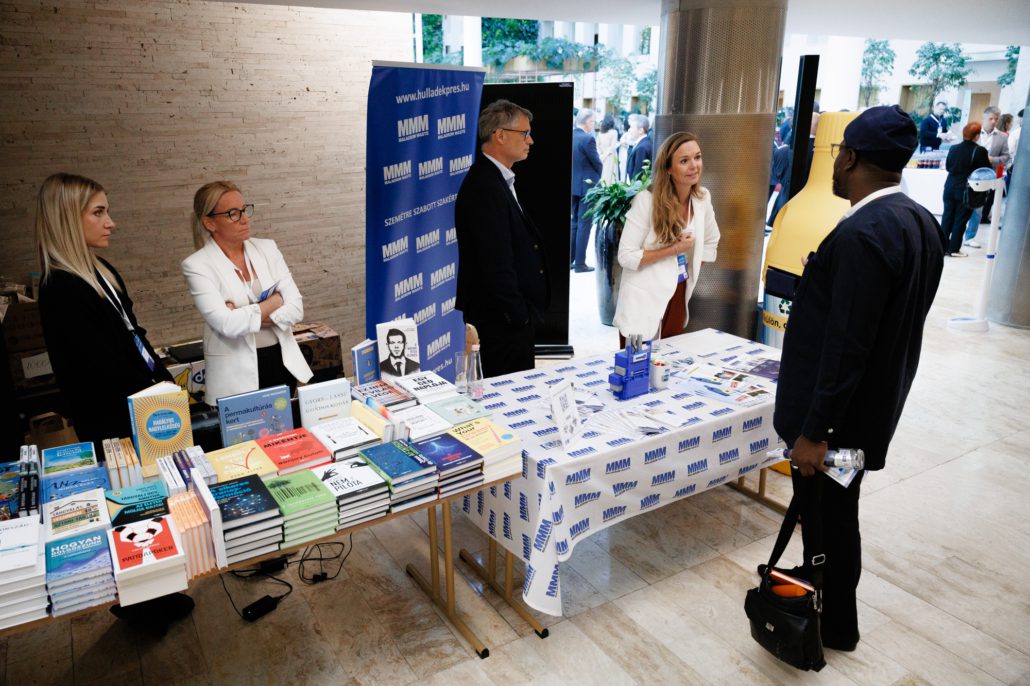
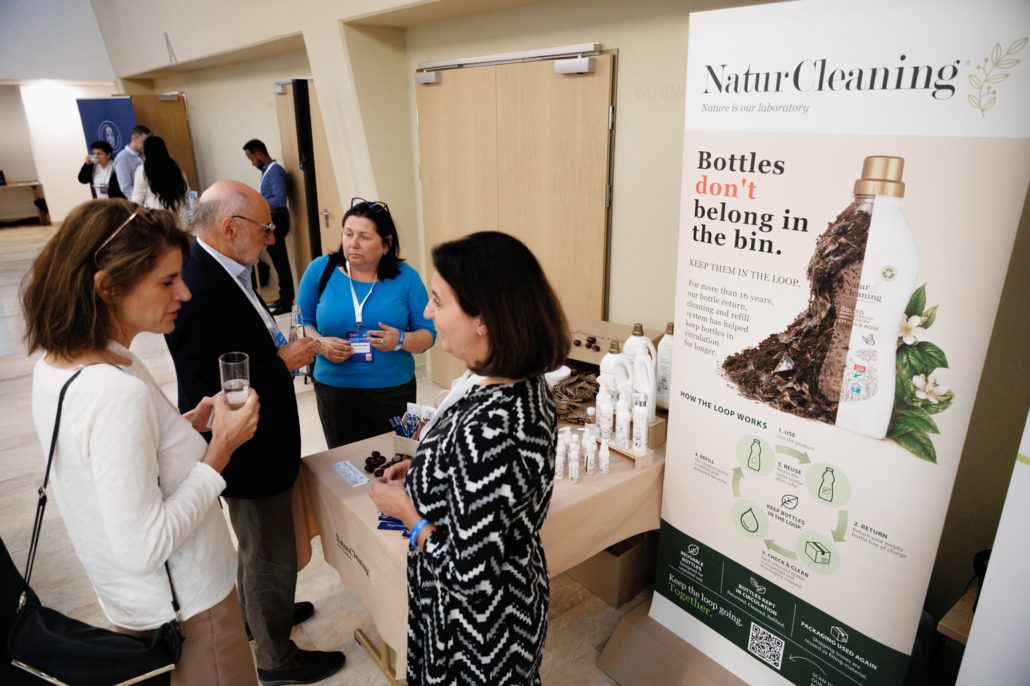
The circular economy is not limited to industrial technologies or corporate strategies. A fashion show by Fashion Revolution Hungary highlighted how extending the life of clothing, repairing and swapping garments, and recycling textiles can help reduce the fashion industry’s environmental impact. Universities, start-ups and companies also presented their innovations at the conference—as exhibitors and in short pitches.
 |
 |
 |
 |
 |
 |
 |
 |
From Climate to Design
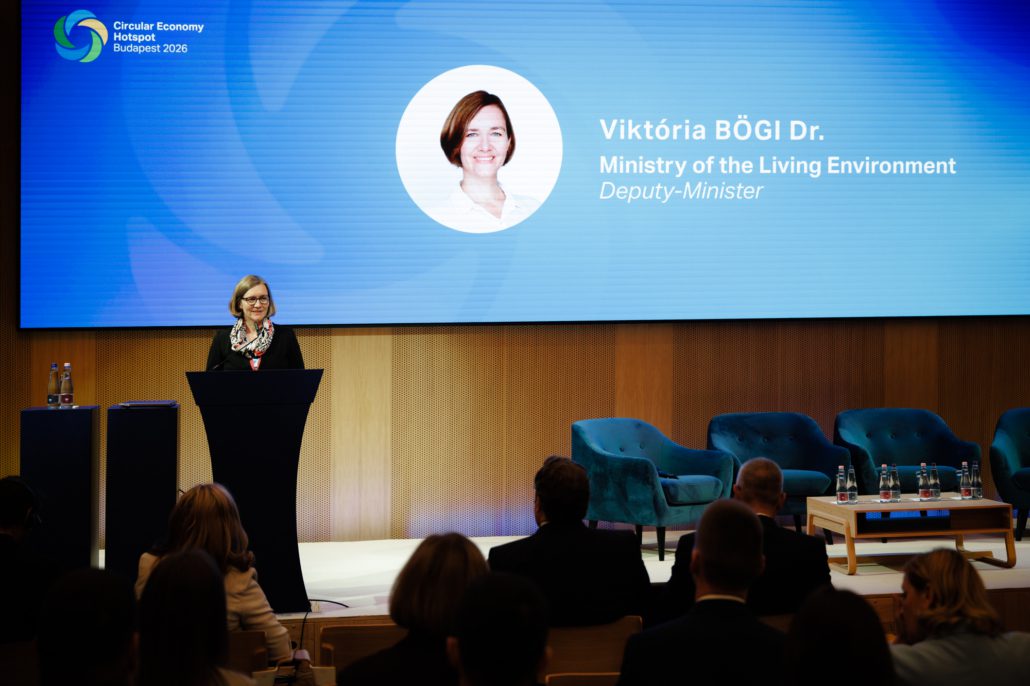
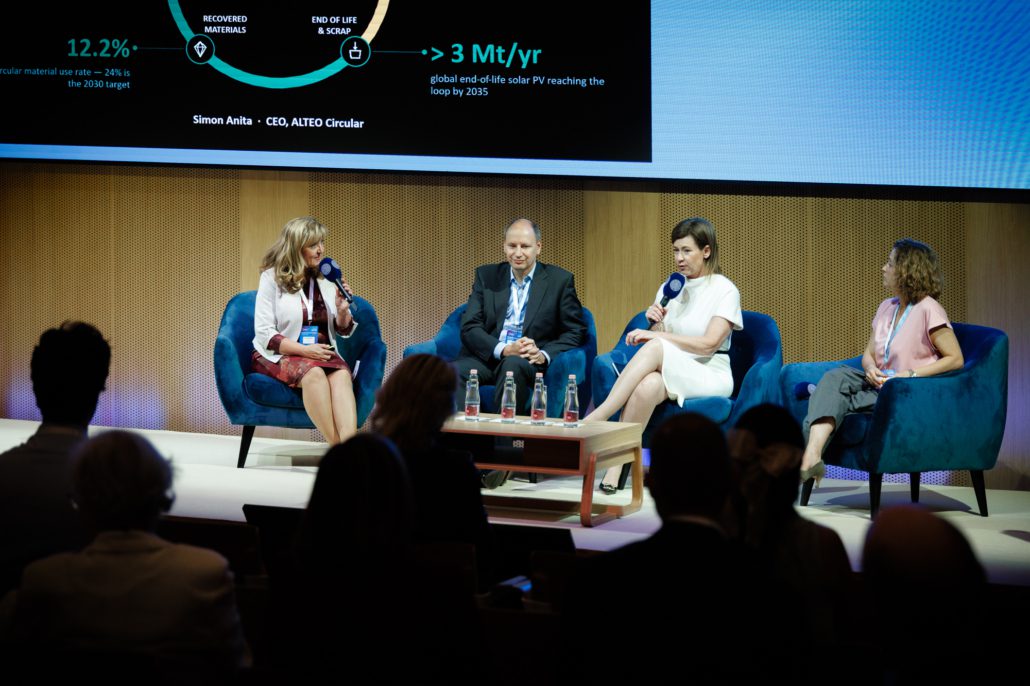
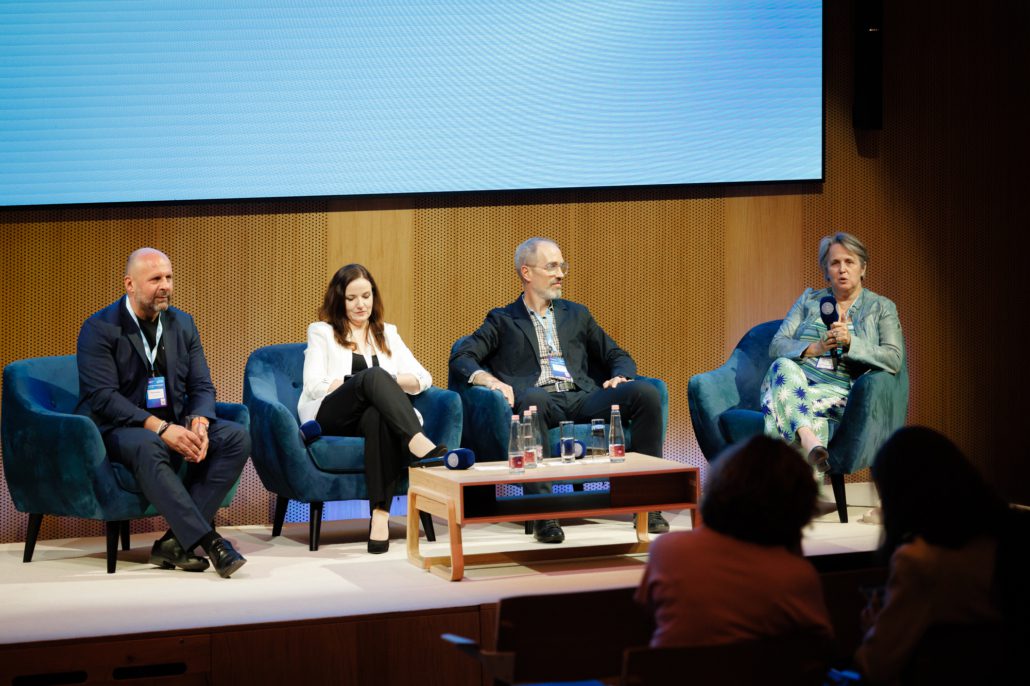
The session “The Big Picture: Can the Circular Transition Help Tackle Climate Change?”, moderated by Márta Irén, Managing Director of BCSDH, explored how rethinking material flows can help reduce emissions, strengthen security of supply and build business resilience. Roundtable participants Dr Dóra Fazekas, Managing Director of Cambridge Econometrics; Anita Simon, Managing Director of ALTEO Circular; and László Vadas, CEO of Cyclosteel, agreed that collaboration is essential to closing material loops.
 |
 |
The session “Digitalisation in the Service of the Circular Economy – From Data to Decisions,” moderated by Dr Viktória Bodnár, Managing Director of IFUA Horváth & Partners, showcased practical digital solutions that can extend the life of equipment, track construction materials and return valuable resources to the circular economy. The discussion between Evelin Keresztesi-Molnár, Head of Control Systems, Digitalisation and Nuclear I&C at Siemens Energy Hungary; Ádám Dálnoki, CEO of BauApp; and Martin Basila, CEO and Co-Founder of Sensoneo, highlighted the key role of digitalisation and artificial intelligence in advancing the circular economy. They also emphasised that the real business value of digital solutions depends on reliable, accessible and well-integrated data.
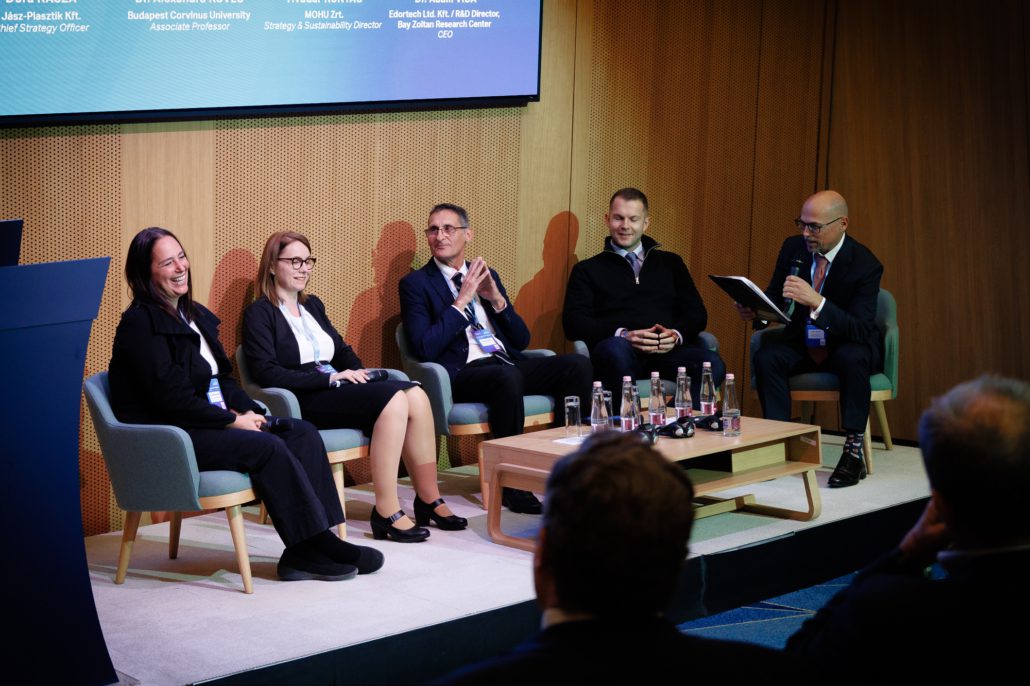
The session “Refuse and Reduce First?”, led by Gábor Arató, Managing Director of Manupackaging International Ltd., explored a fundamental question for the circular economy: how can we genuinely reduce environmental impacts, and what should we ask before production begins Participants Dr Alexandra Köves, ecological economist at Corvinus University of Budapest; Dóra Kasza, Strategic Director at Jász-Plasztik Ltd.; Tivadar Runtág, Strategy and Sustainability Director at MOHU Plc; and Dr Ádám Vida, representing Edortech and the Bay Zoltán Research Centre, agreed that the first step towards a circular economy is not recycling, but avoiding unnecessary production and material use. They stressed that product design should take into account genuine needs, functionality and environmental impacts across the entire life cycle.
 |
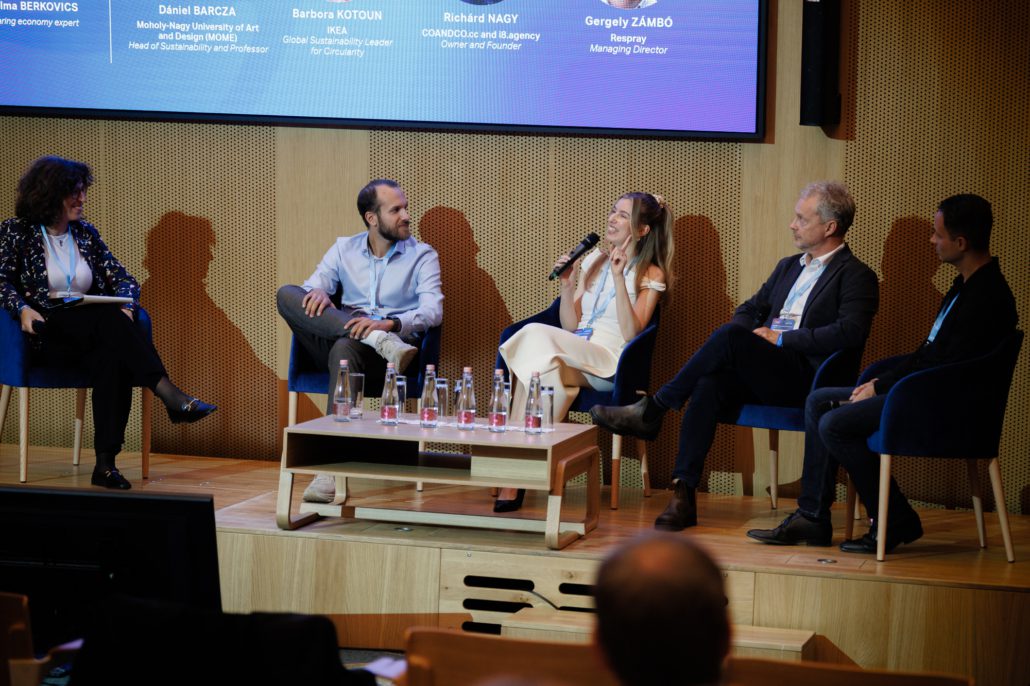 |
The session “From Idea to Circularity: Intentional Design for a Regenerative Future,” moderated by Dalma Berkovics, a board member of French Tech Budapest, explored how design decisions shape products, business models and the systems that keep resources in use for as long as possible. The discussion between Dániel Barcza, Professor and Head of Sustainability at Moholy-Nagy University of Art and Design (MOME); Barbora Kotoun, Global Sustainability Manager for Circular Economy at IKEA; Richárd Nagy, Founder and Owner of COANDCO.cc and i8.agency; and Gergely Zámbó, Managing Director of Respray, concluded that circular innovation depends on rethinking business models, fostering cross-sector collaboration and testing solutions in practice.
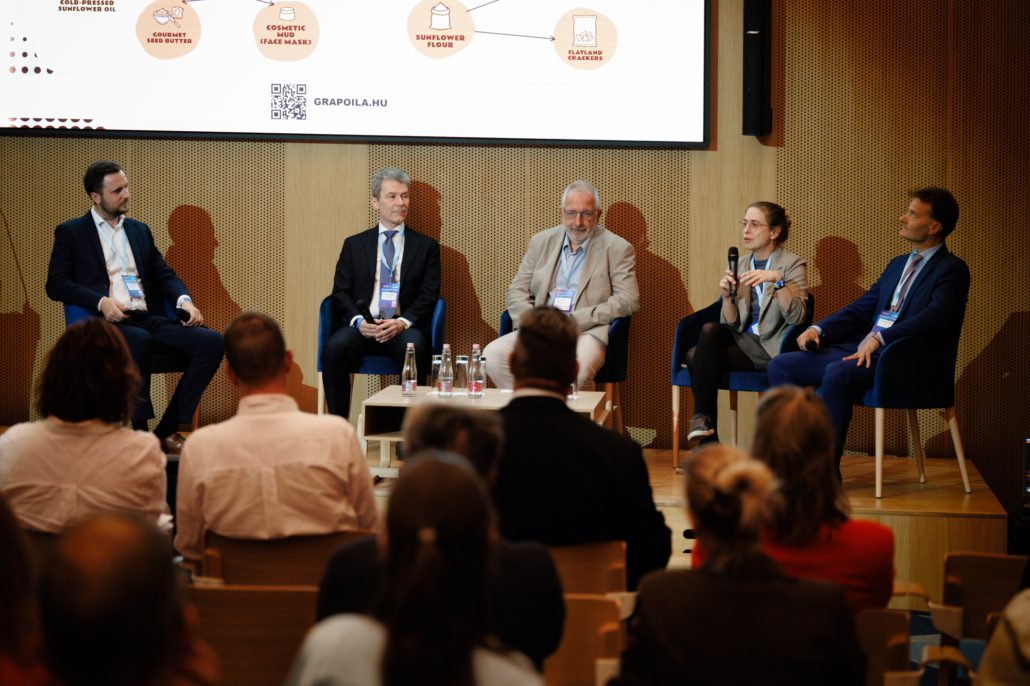
The session “Closing the Loop on Organic Matter – Circular Use of Food and Biomass,” led by Dr György Fekete, Director of the Circular Economy Analysis Centre at the Hungarian University of Agriculture and Life Sciences (MATE), presented four complementary approaches: regenerative agriculture, food rescue, the valorisation of by-products and the biological treatment of organic waste. Péter Noszek, Managing Director of Nestlé Hungária; Balázs Cseh, Founder and President of the Hungarian Food Bank Association; Marianna Pinczés, Managing Director of Grapoila; and László Aleksza, Founder and Managing Director of Profikomp, agreed that preserving the value of organic resources requires collaboration among stakeholders, efficient logistics and adherence to the waste hierarchy. The priority is to prevent food loss and recover materials at the highest possible value, while composting returns nutrients to the cycle at the final stage.
 |
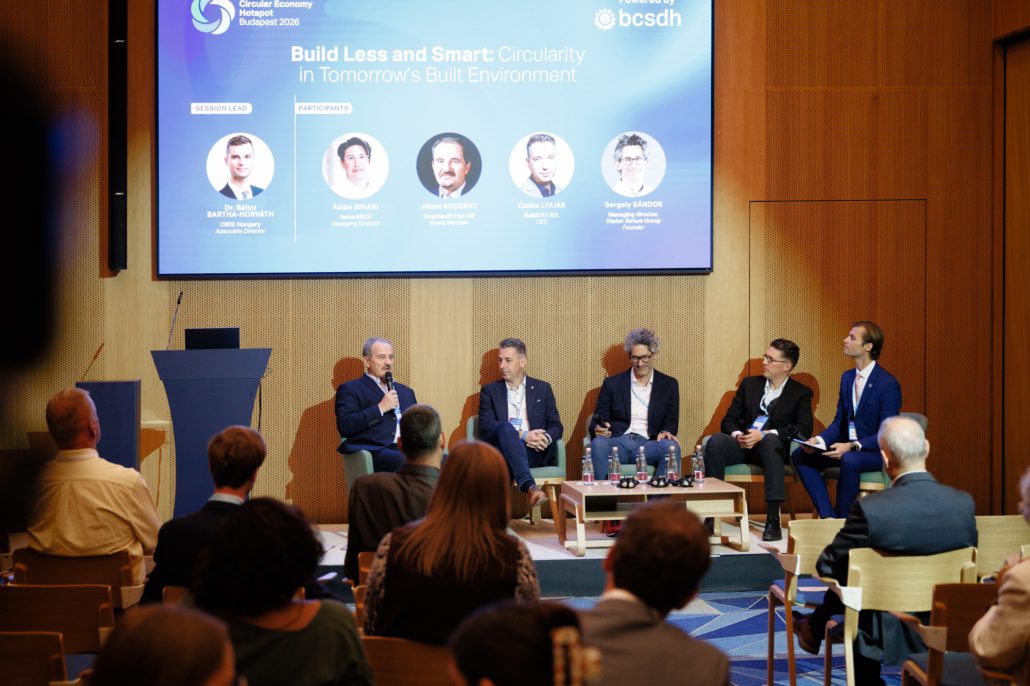 |
The session “Build Less, Build Smarter! – Circularity in the Built Environment of the Future,” led by Dr Bálint Bartha-Horváth, Associate Director at CBRE Hungary, explored how to rethink buildings across their entire life cycle—from questioning the need for new construction to extending the life of existing spaces and building materials. János Kocsány, Member of the Board of Directors of Graphisoft Park SE; Ádám Bihari, Managing Director of NaturARCH; Csaba Livják, Managing Director of BuildEXT Ltd.; and Gergely Sándor, Founder and Managing Director of Viador Átrium Group, agreed that the first step towards a circular construction sector is to make more effective use of existing buildings. Renovation, adaptive reuse, shared use of spaces and the reuse of building materials can significantly reduce resource consumption and environmental impact.
This Is Just the Beginning
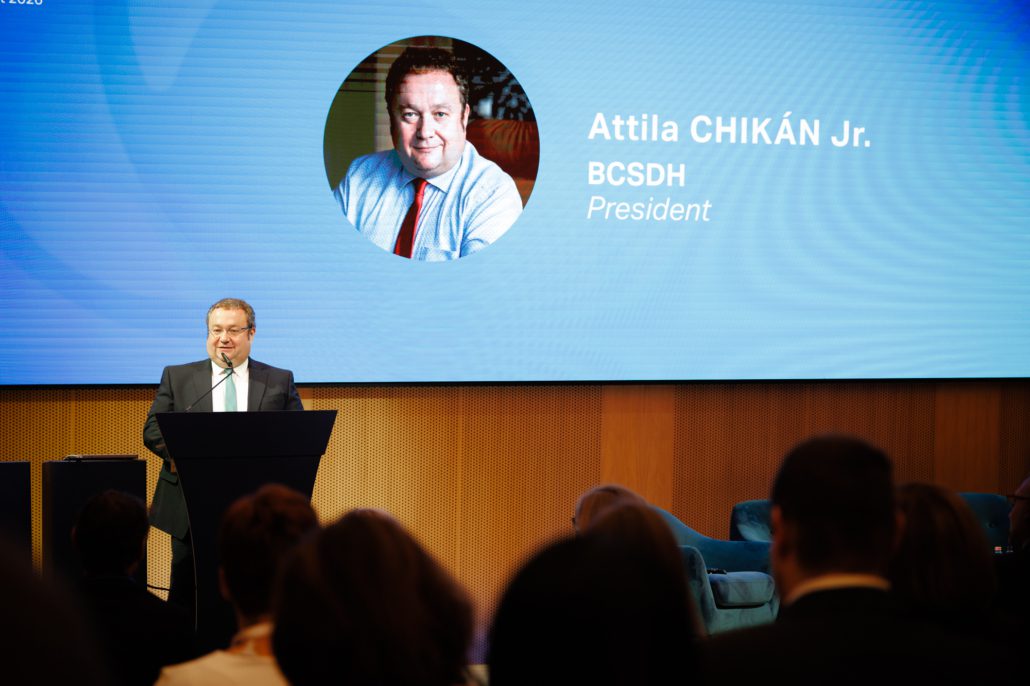
“The transition to a circular economy cannot stop at recycling, nor can we treat it as a series of isolated corporate projects. To achieve real change, circularity must become part of corporate strategies, financing decisions and day-to-day operations. One of the key messages of the Hotspot in Budapest was that the circular transition is now less of a technological challenge and more of a challenge of collaboration. One of its greatest achievements was bringing international experts, Hungarian companies and the financial sector together on a shared platform for three days, creating an opportunity to work together to find solutions,” said Márta Irén, Managing Director of BCSDH.
The Budapest event, organised by the Business Council for Sustainable Development in Hungary (BCSDH) and the Circular Economy Platform, focused not only on recycling technologies but also on how the economy can operate using fewer raw materials. Alongside existing solutions, this requires rules, financing conditions and corporate decisions that make circularity a natural part of business operations rather than a standalone initiative. New initiatives have been launched based on the opportunities identified, dialogue is continuing and the first signs of collaboration have emerged. The work begun here will continue within the Circular Economy Platform.