
Waste Processing, Composting, Sustainable Urban Development and Circular City Solutions – Day Three of the European Circular Economy Hotspot
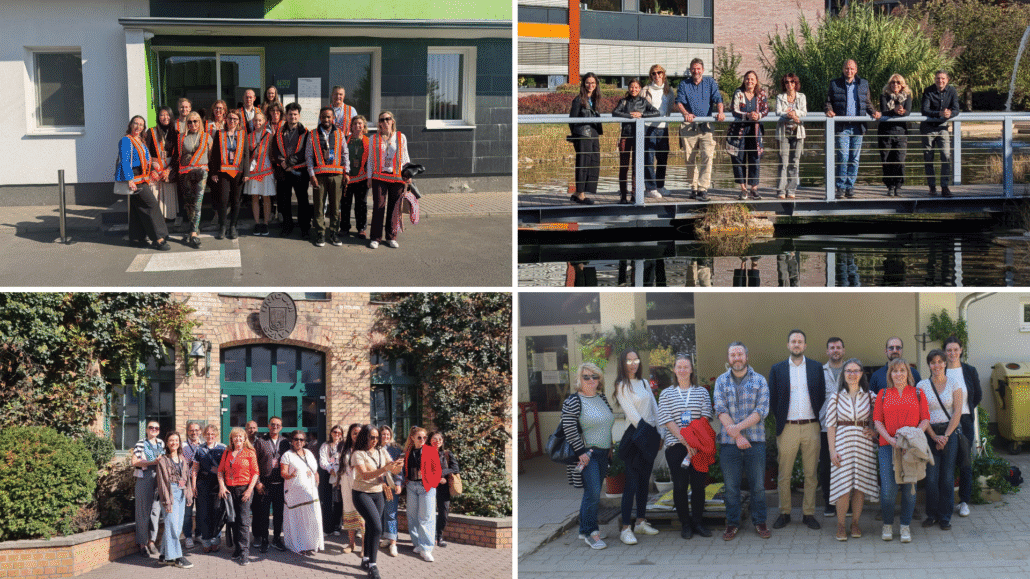
At the European Circular Economy Hotspot in Budapest, nearly 300 participants from more than 20 countries across four continents joined international experts and business representatives to show that the circular economy does not begin when waste is generated. It starts much earlier: when we decide what we truly need, how products should be designed, how much material should go into making them, and how to keep them in use for as long as possible.
Equipment that is easier to repair, a building that can be renovated, or a manufacturing process based on secondary raw materials can often do more for circularity than recycling at the end of a product’s life. On the final day, industrial and urban examples showed how circularity works in practice.
How Does the Circular Economy Work at Industrial Scale?
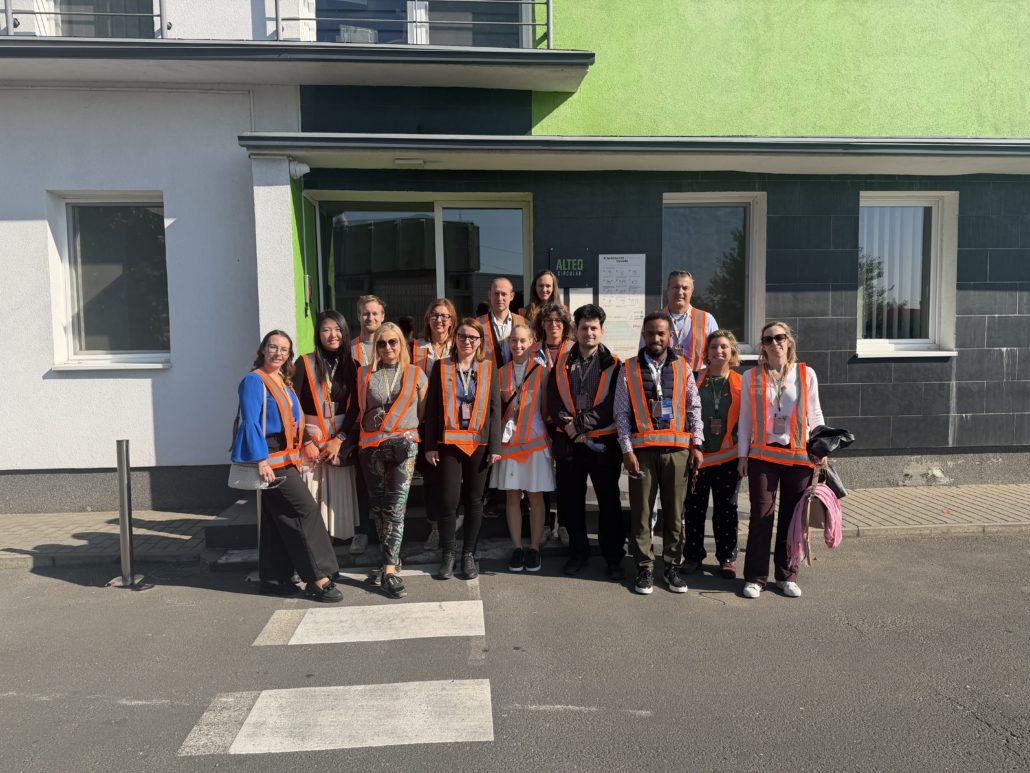
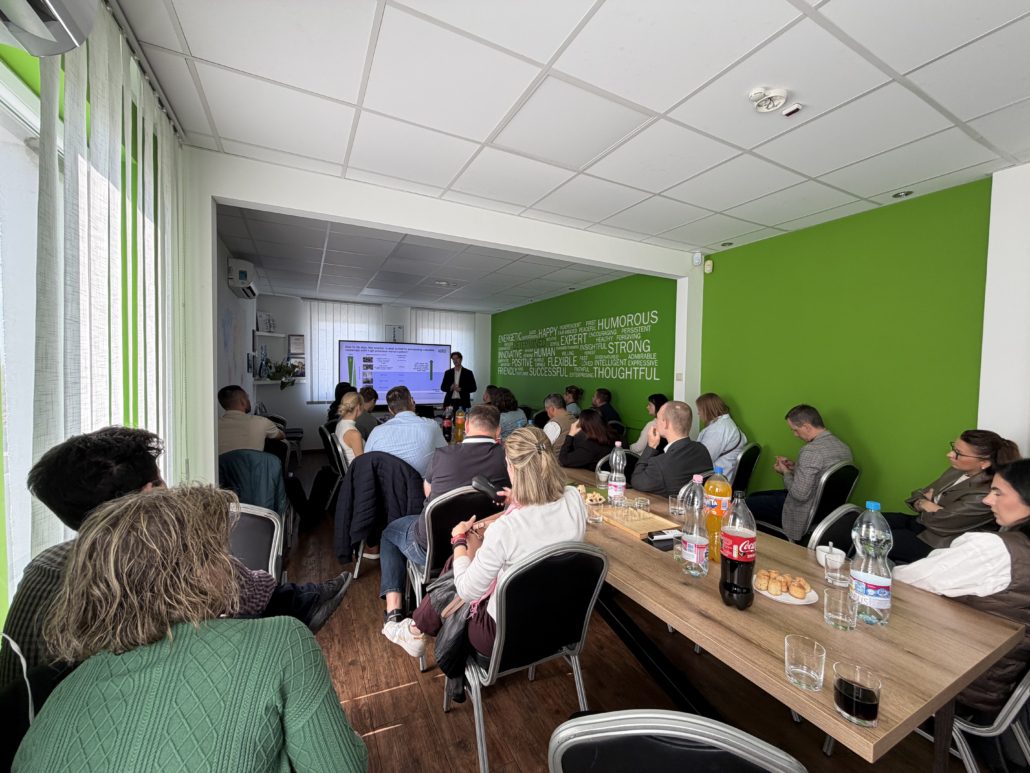
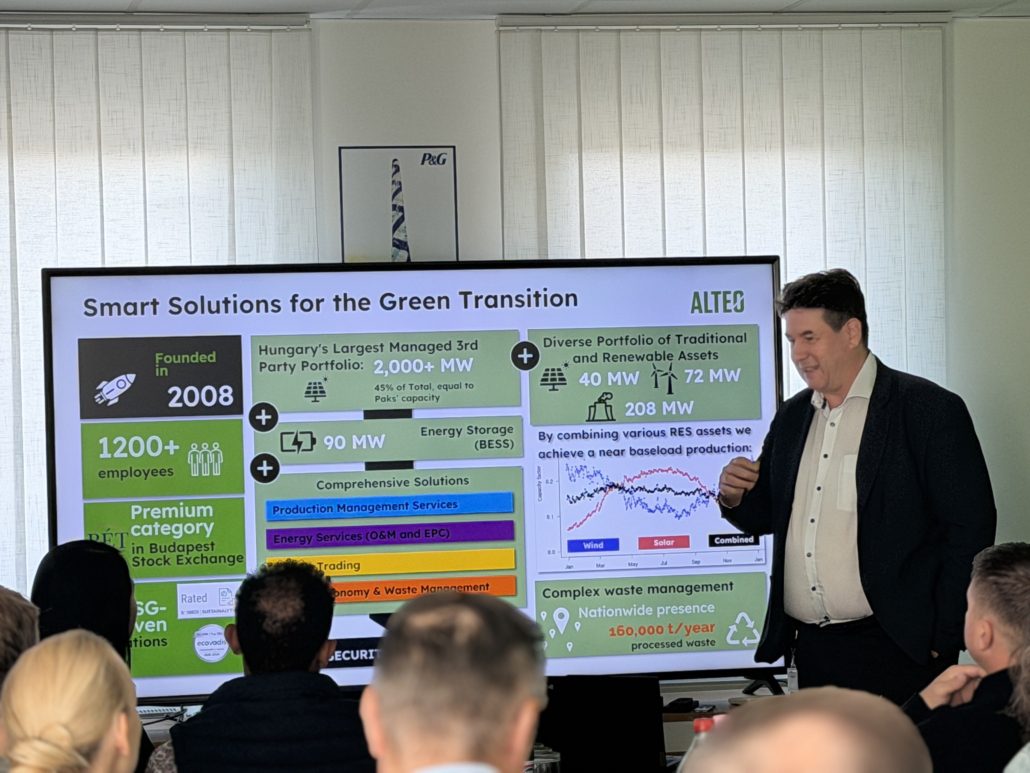
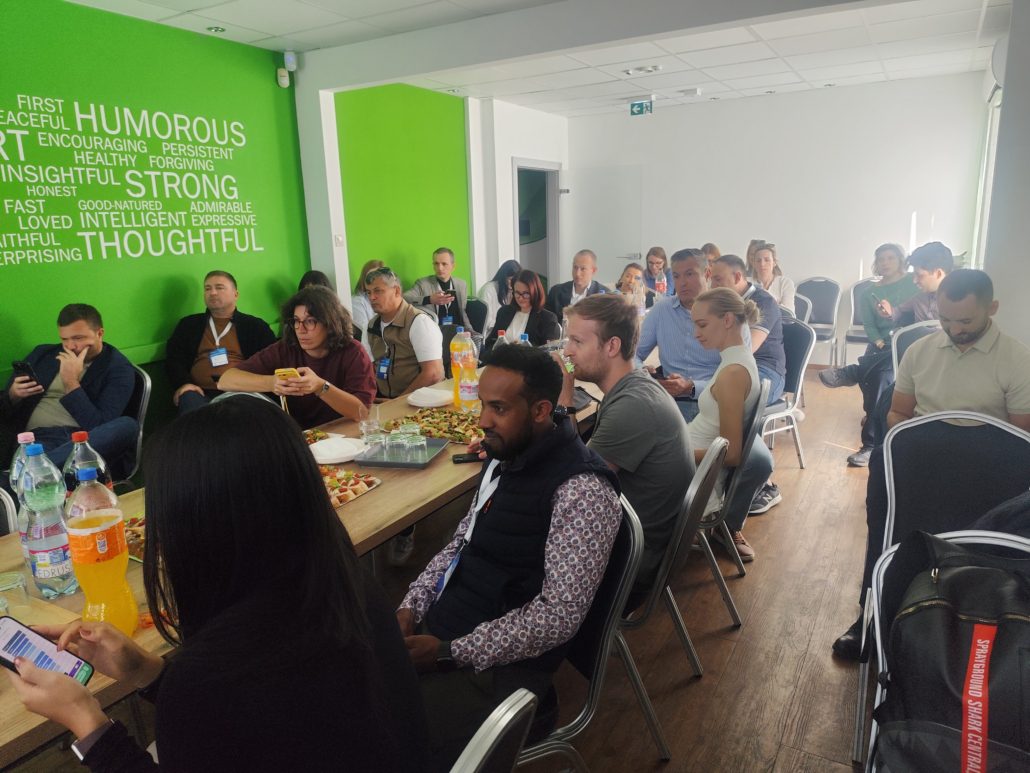
As part of Circular Economy Hotspot Budapest 2026, participants visited ALTEO Circular’s newly opened facility in Kistarcsa to see how waste sorting and material recovery technologies turn waste into valuable secondary raw materials.
The visit offered insight into resource recovery processes and showed industrial symbiosis in practice: connecting waste streams with industries that can reuse the recovered materials.
It also gave participants an excellent opportunity to take the conference discussions onto the factory floor and see firsthand the technologies and expertise needed to keep materials in circulation.
 |
 |
 |
 |
Making More Space for Nature in the City!
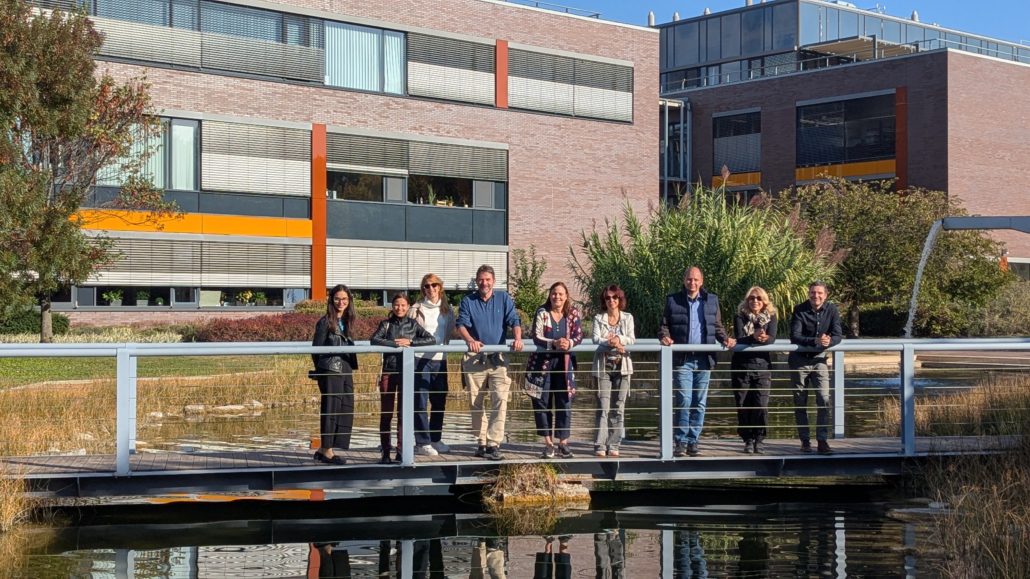
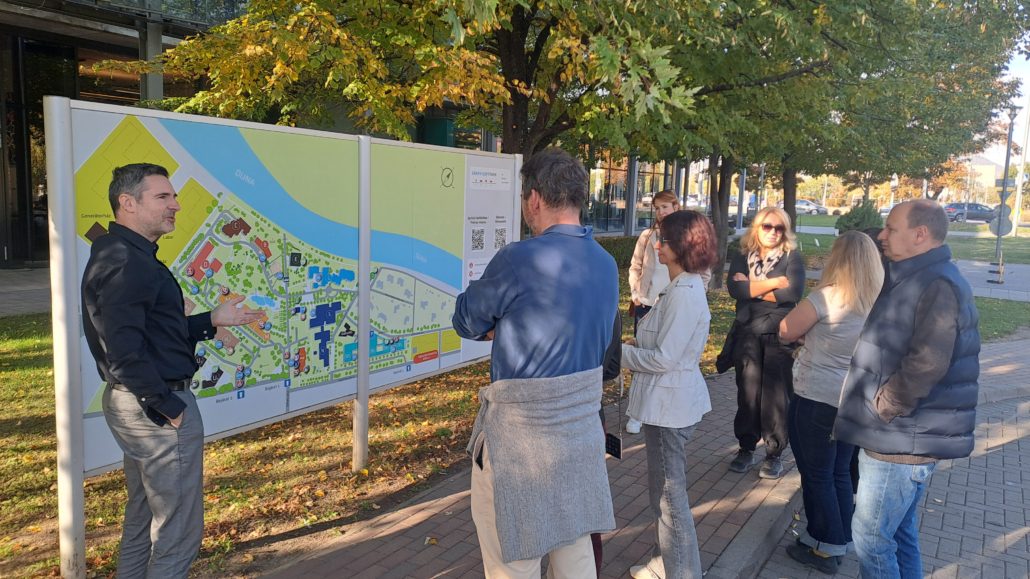
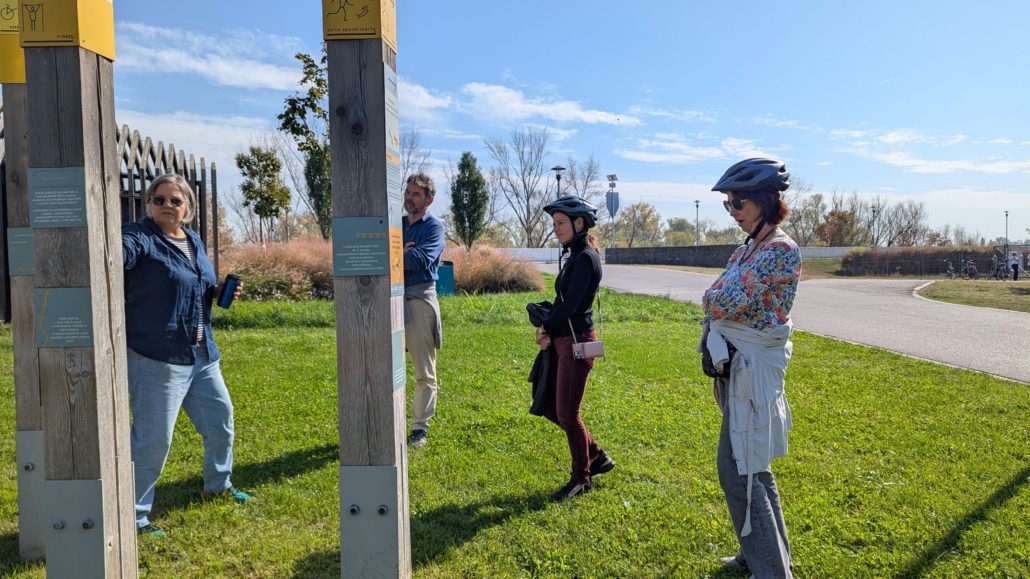
During Circular Economy Hotspot Budapest 2026’s “Feel the Nature in the City” study visit, participants explored three different approaches to sustainable urban development. At Graphisoft Park, they saw how a former industrial site can be transformed into a green business environment, bringing workplaces and nature closer together.
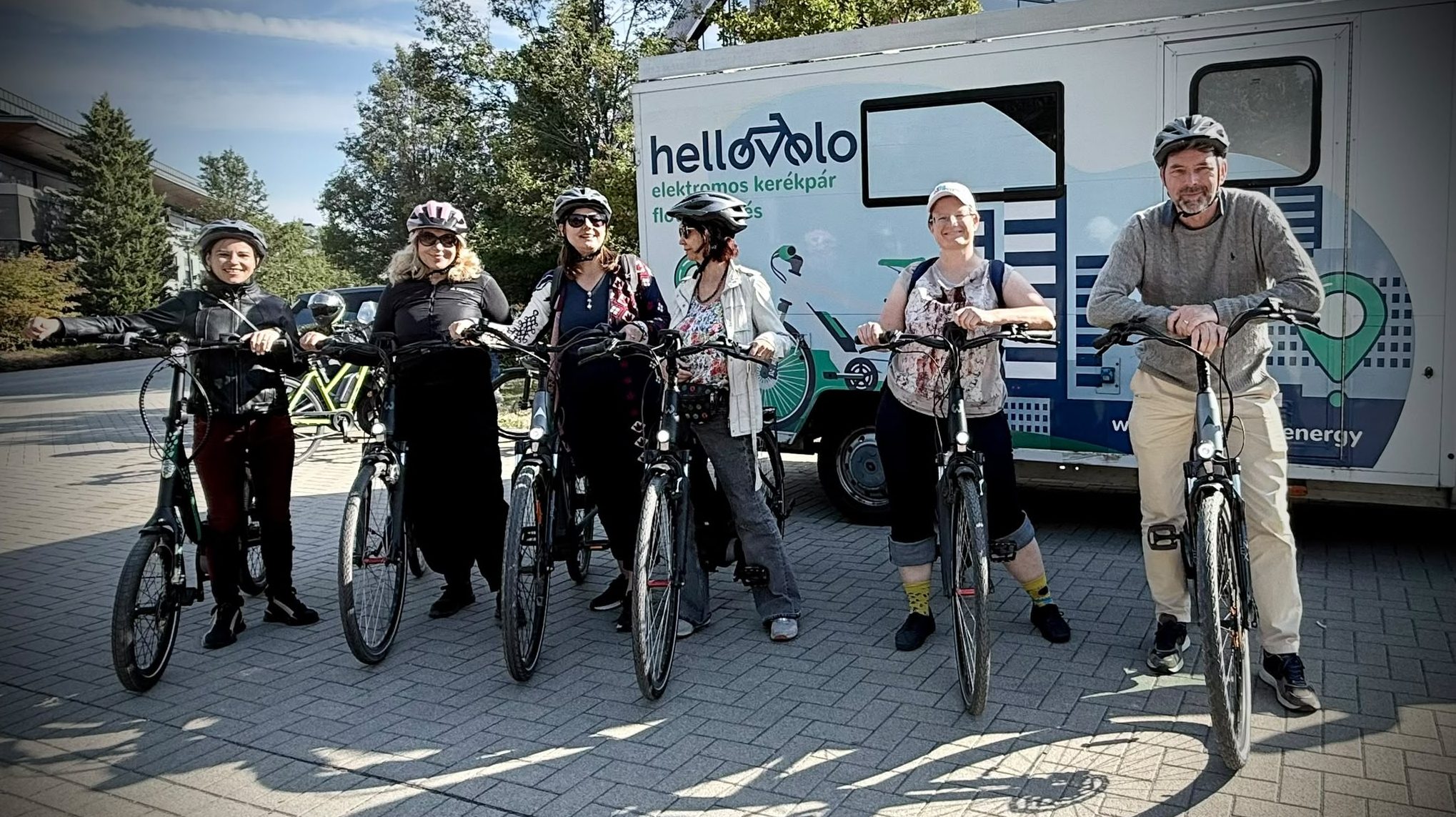
The programme continued with electric bicycles provided by HelloVelo, giving participants the chance to experience firsthand how electric mobility can help connect urban spaces.
The final stop, Pünkösdfürdő Park, focused on nature-based solutions. The visit showed how urban green spaces can support climate adaptation and biodiversity while also providing opportunities for recreation and relaxation.
 |
 |
 |
 |
City Walk – Circular City Treasure Hunt
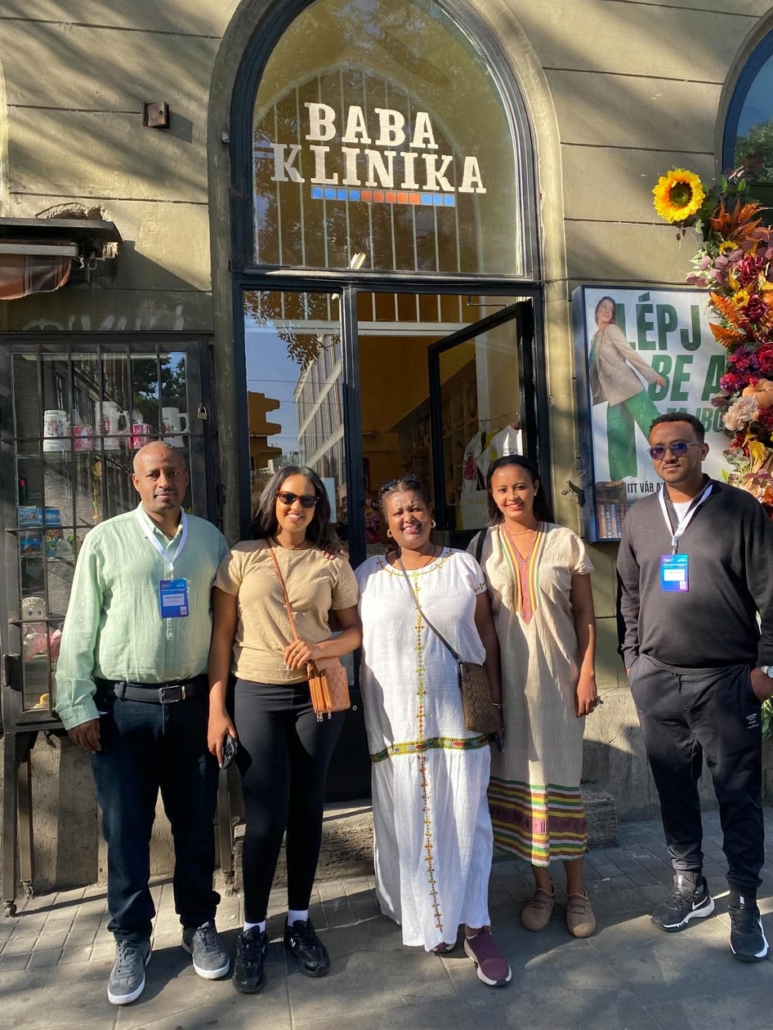
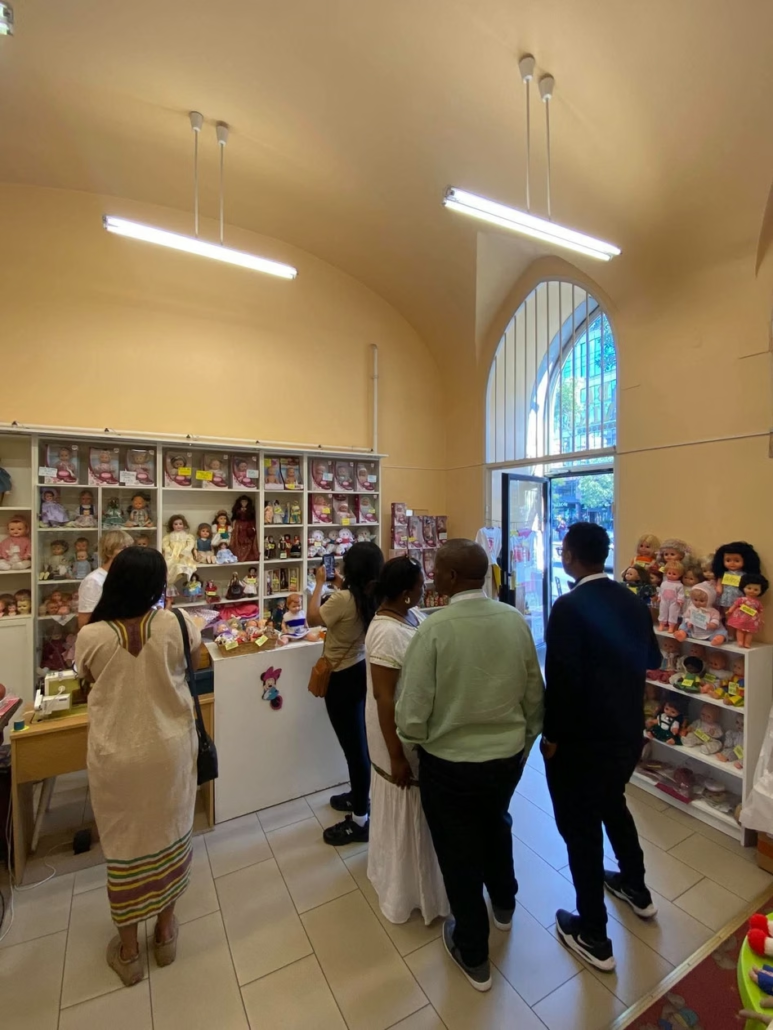
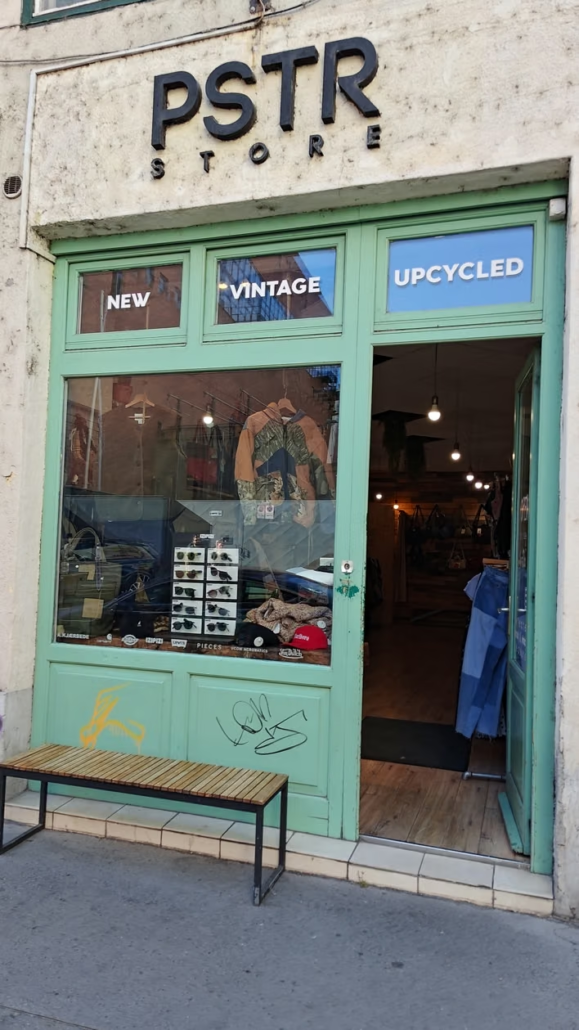
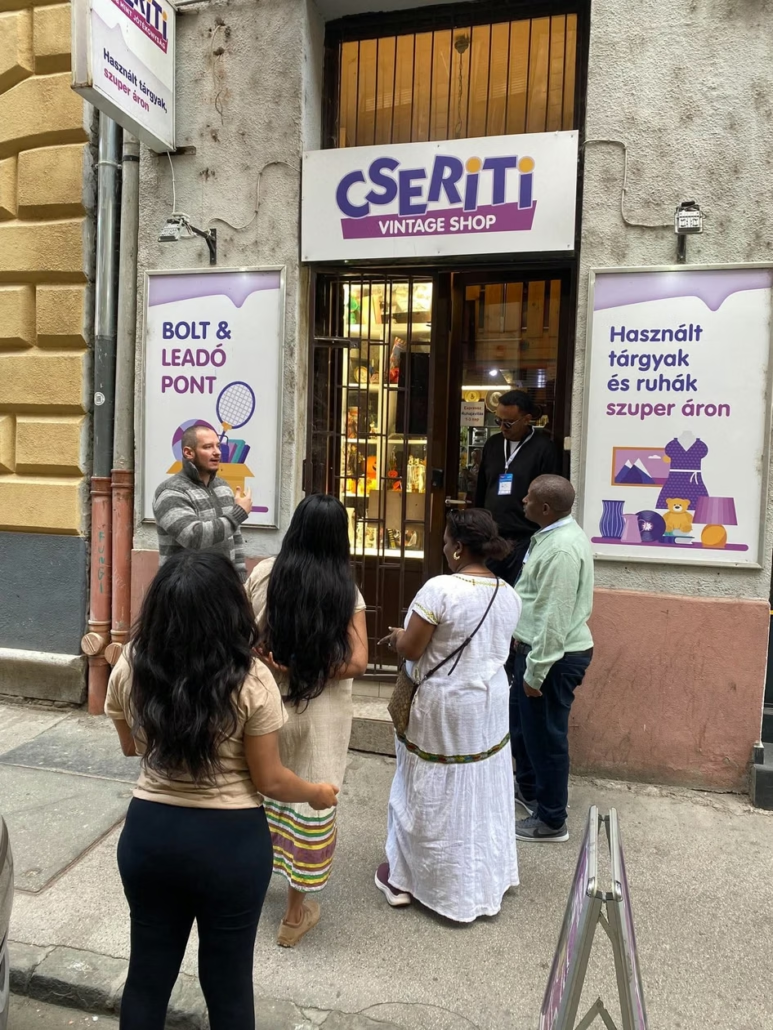
What do a baby equipment repair clinic, a vintage shop and a former warehouse have in common? Each featured as a stop to discover during the Circular City Treasure Hunt held as part of Circular Economy Hotspot Budapest 2026.
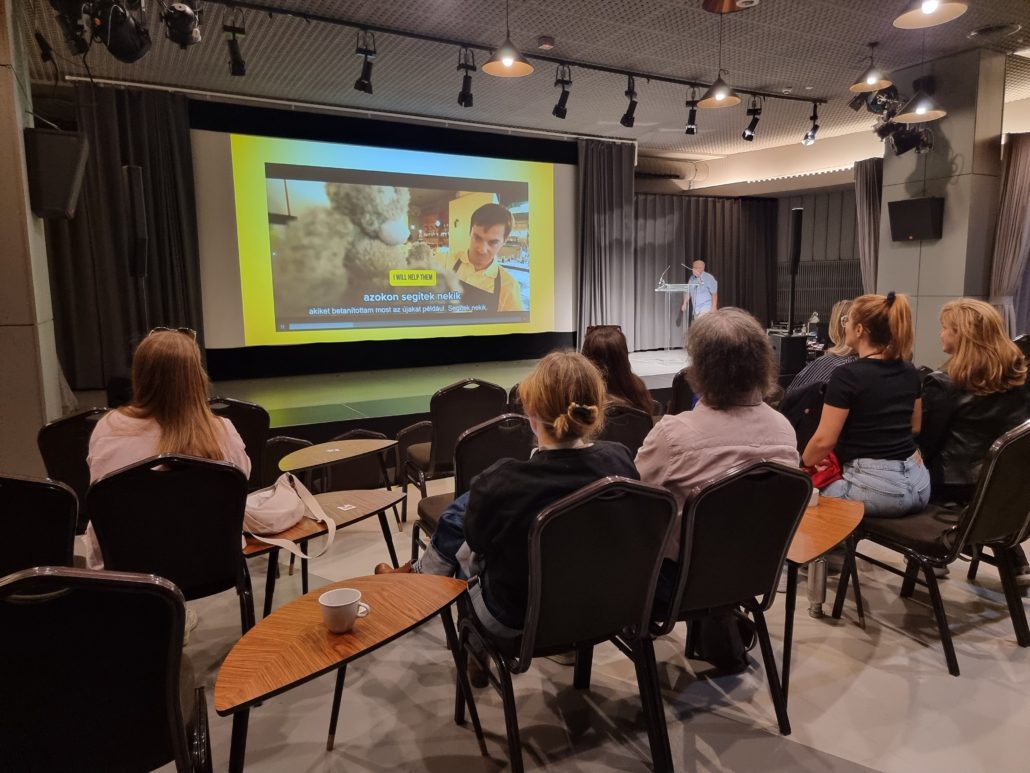
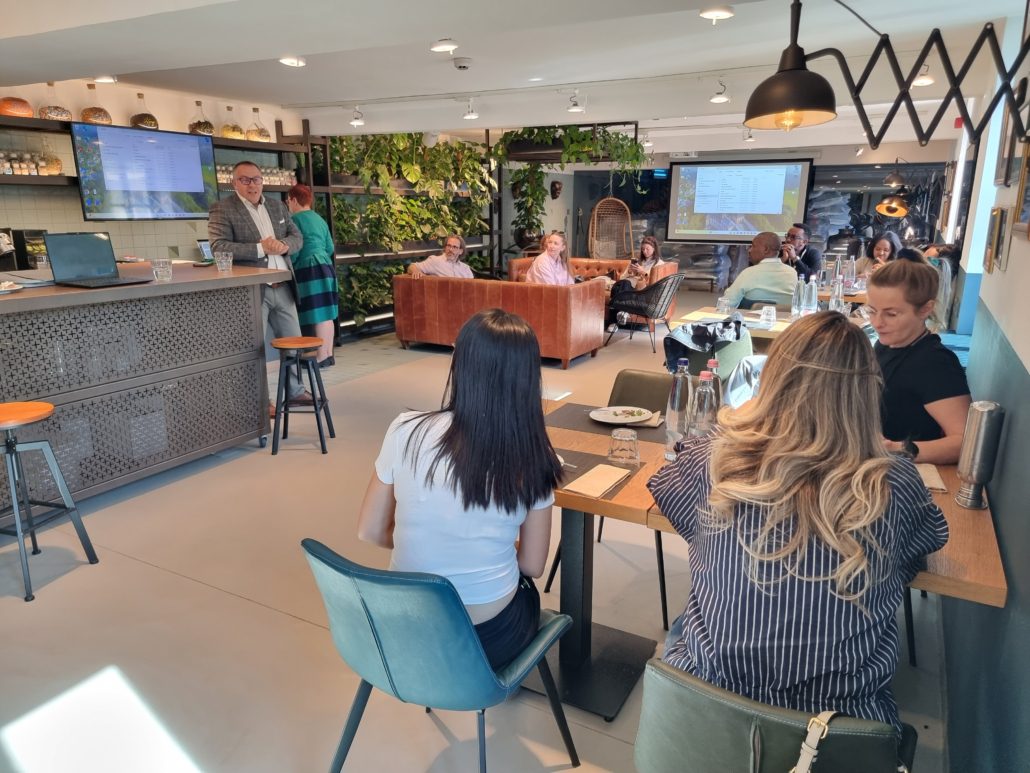
The programme began at Premier Kultcafé, where culture, community life and inclusive employment come together. From there, participants set off in small teams to explore the city. Planning their own routes, they had to visit at least three circular locations and take a photo at each one.
The stops showcased different aspects of the circular economy as they appear in everyday urban life:
- Printa Budapest: how local design and production processes, as well as material choices, shape the future of products.
- Babaklinika: how expertise and craftsmanship can extend the life of treasured items, sometimes across generations.
- Cseriti vintage shop: how items can find new owners and continue their stories through reuse.
- Corvinus Sóház and Bálna: how Budapest’s commercial and warehousing heritage connects with new uses for buildings.
At each stop, teams faced a different photography challenge: capturing a noteworthy design detail, showing the value of repair, choosing an item they would give a second life, or bringing the old and the new together in a single image.
Teams earned bonus points for using shared mobility, highlighting another important aspect of circularity: prioritising access over ownership.
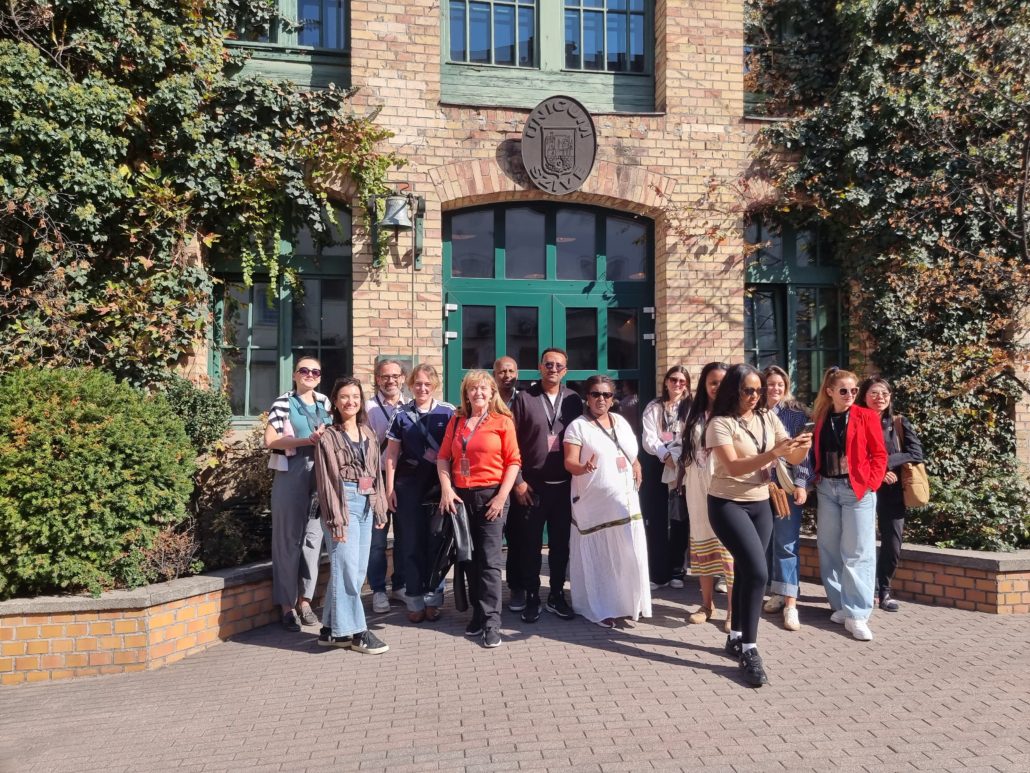
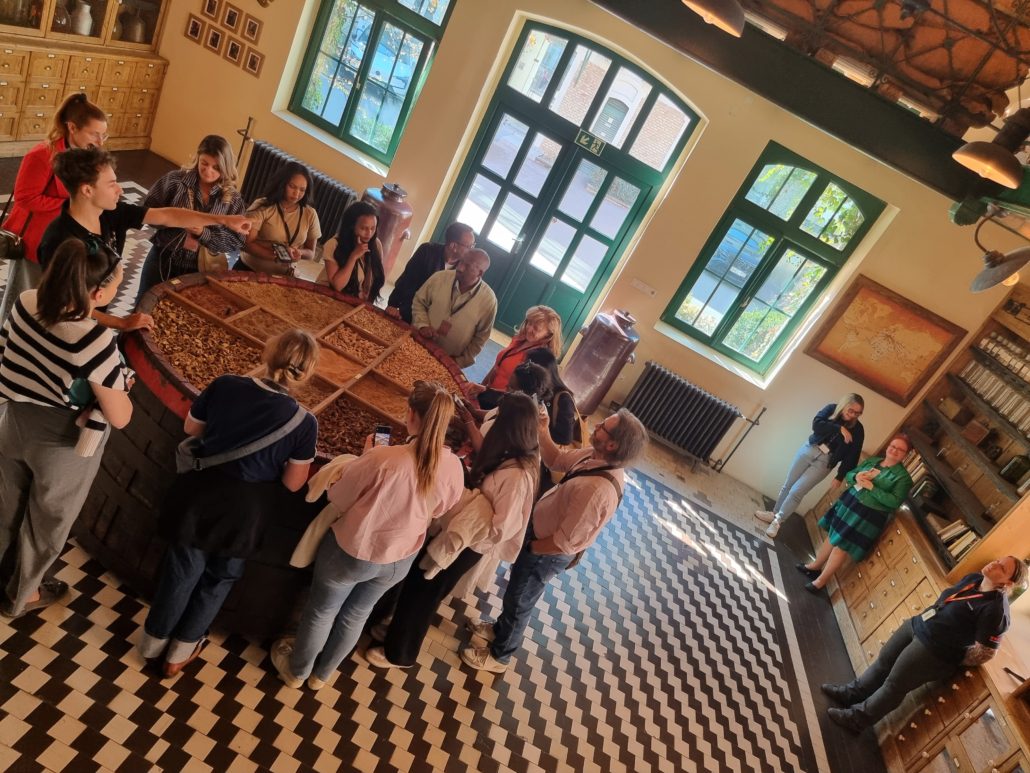
At the end of the programme, everyone met at the Zwack Unicum House for a factory tour and tasting. The historic site, still home to Unicum production, offered another example of how industrial heritage can be preserved and put to continued use.
 |
 |
 |
 |
 |
 |
 |
 |
MATE and ProfiKomp – The Biological Cycle in Practice
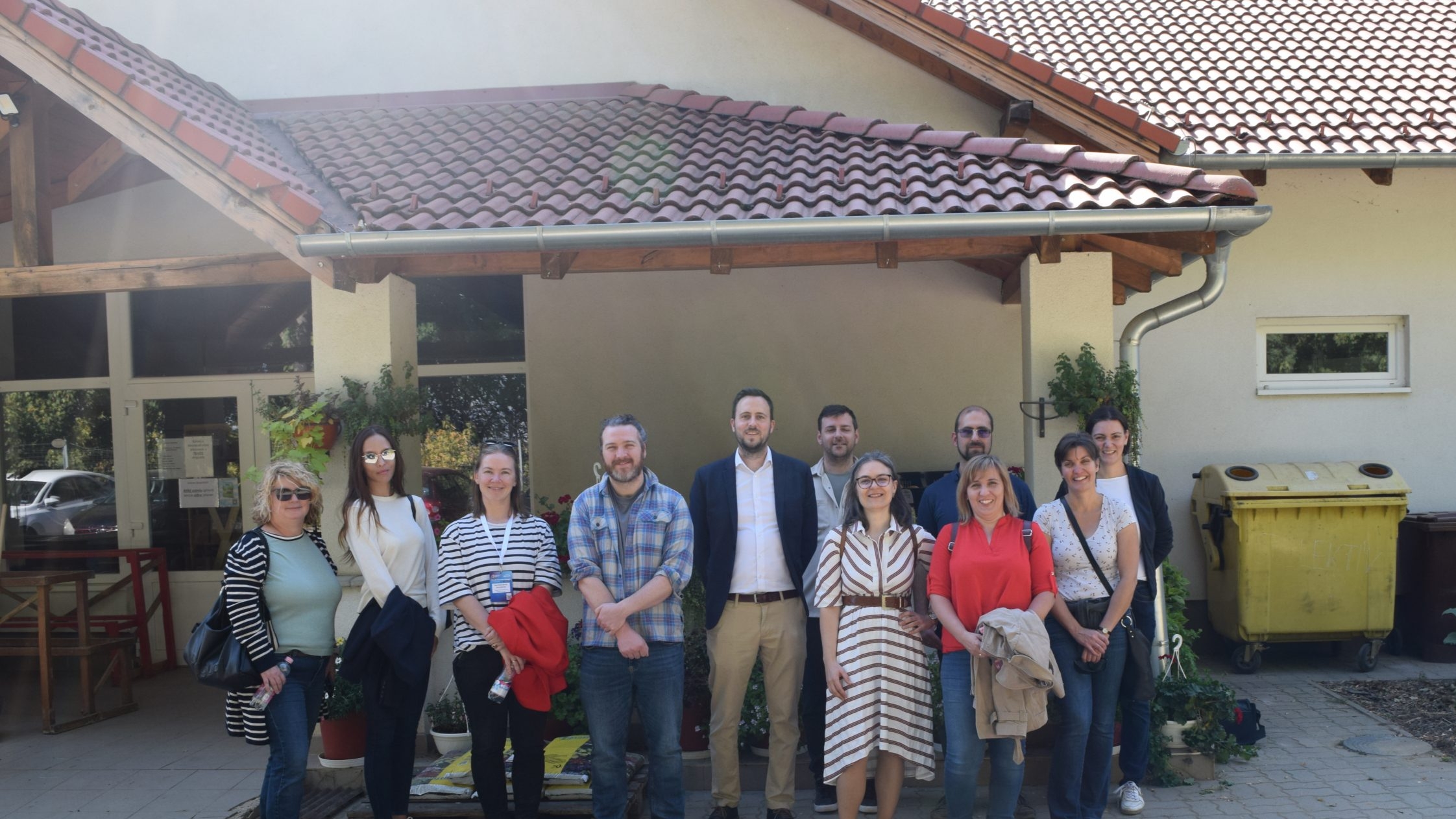
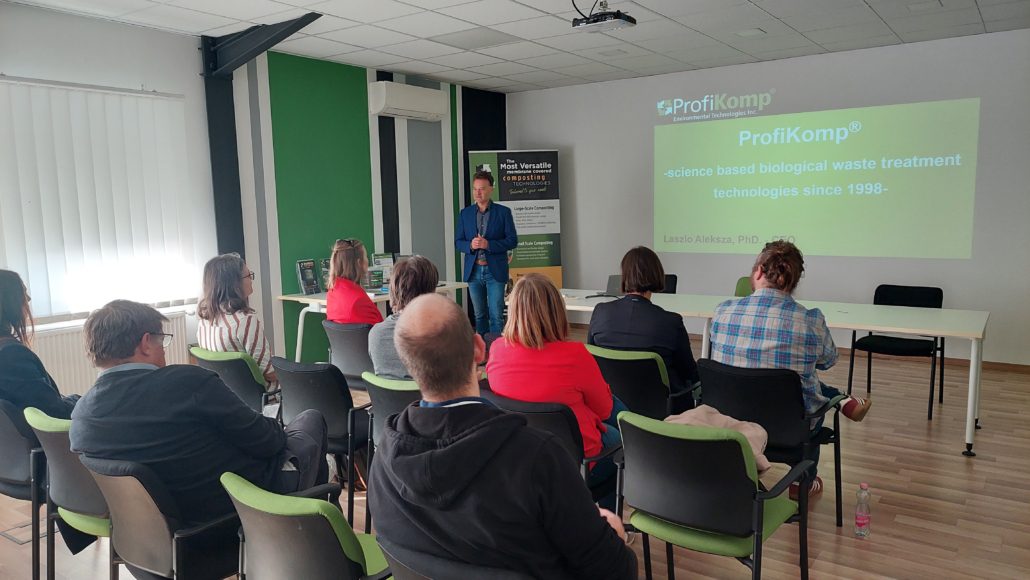
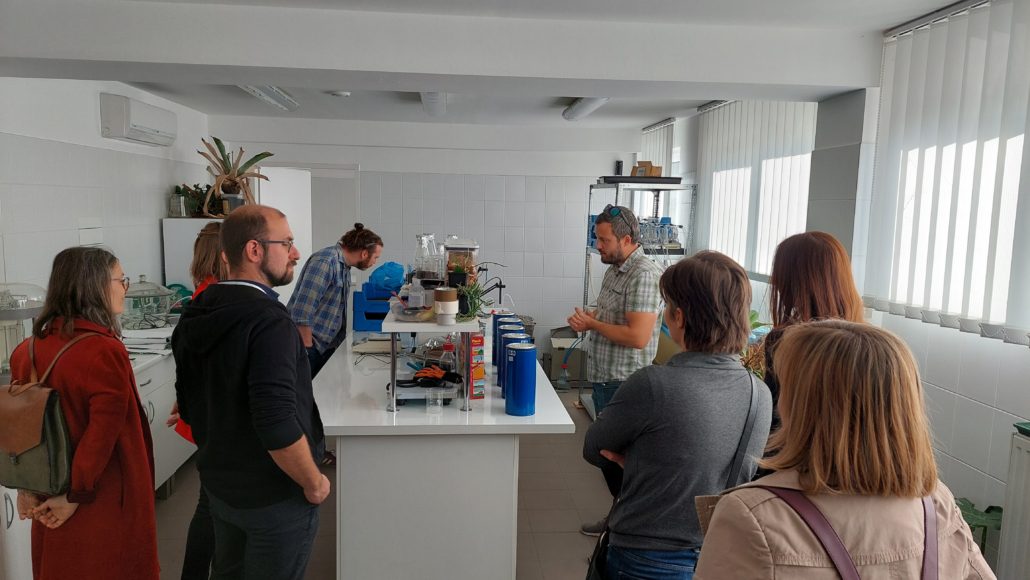
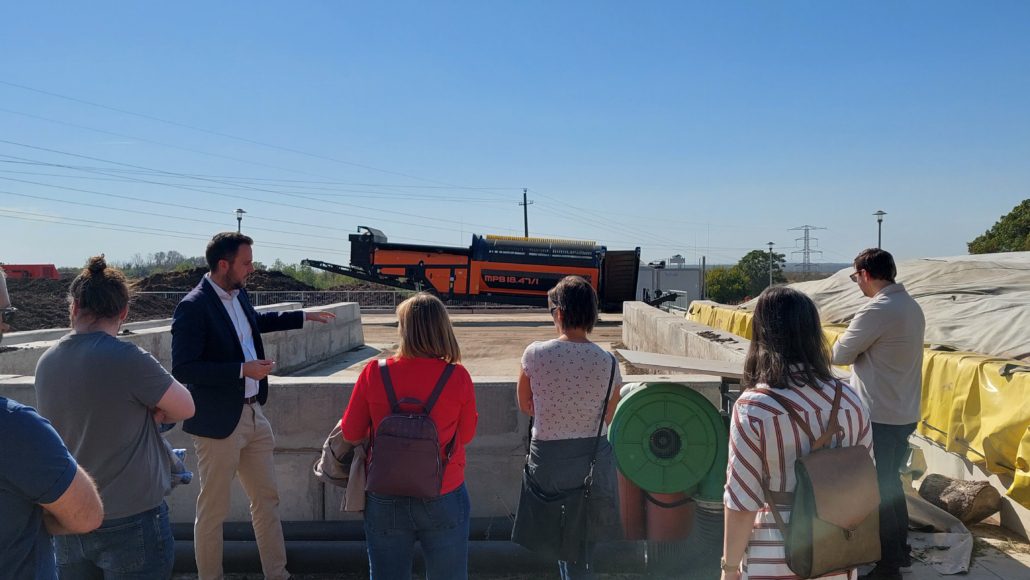
How can biological waste become a valuable resource again? As part of Circular Economy Hotspot Budapest 2026, participants visited ProfiKomp® Group and the Hungarian University of Agriculture and Life Sciences (MATE) in Gödöllő to see the biological cycle in practice.
At ProfiKomp®, the focus was on the engineering solutions used for the aerobic treatment of biodegradable materials, drawing on the company’s decades of experience in composting and waste management.
MATE’s composting facility and Bioeconomy Demonstration Centre gave participants a closer look at how organic waste can be processed and used locally, closing the biological loop.
The visit offered insight into how the biological cycle works and showed how advanced technologies and practical expertise can return valuable organic matter to economic and natural cycles.
We would like to thank our hosts and partners for their warm hospitality and for sharing these inspiring examples with us.
 |
 |
 |
 |


