How much value are we losing due to linear business models? A new measure of circularity and the challenges of Hungary’s transition
Around EUR 25.4 trillion in economic value is lost globally every year as a result of the linear economy. This amount is equivalent to nearly one-third of global GDP. According to the Circularity Gap Report 2026, the question is no longer whether we need a circular economy, but how quickly we can unlock the value it holds.
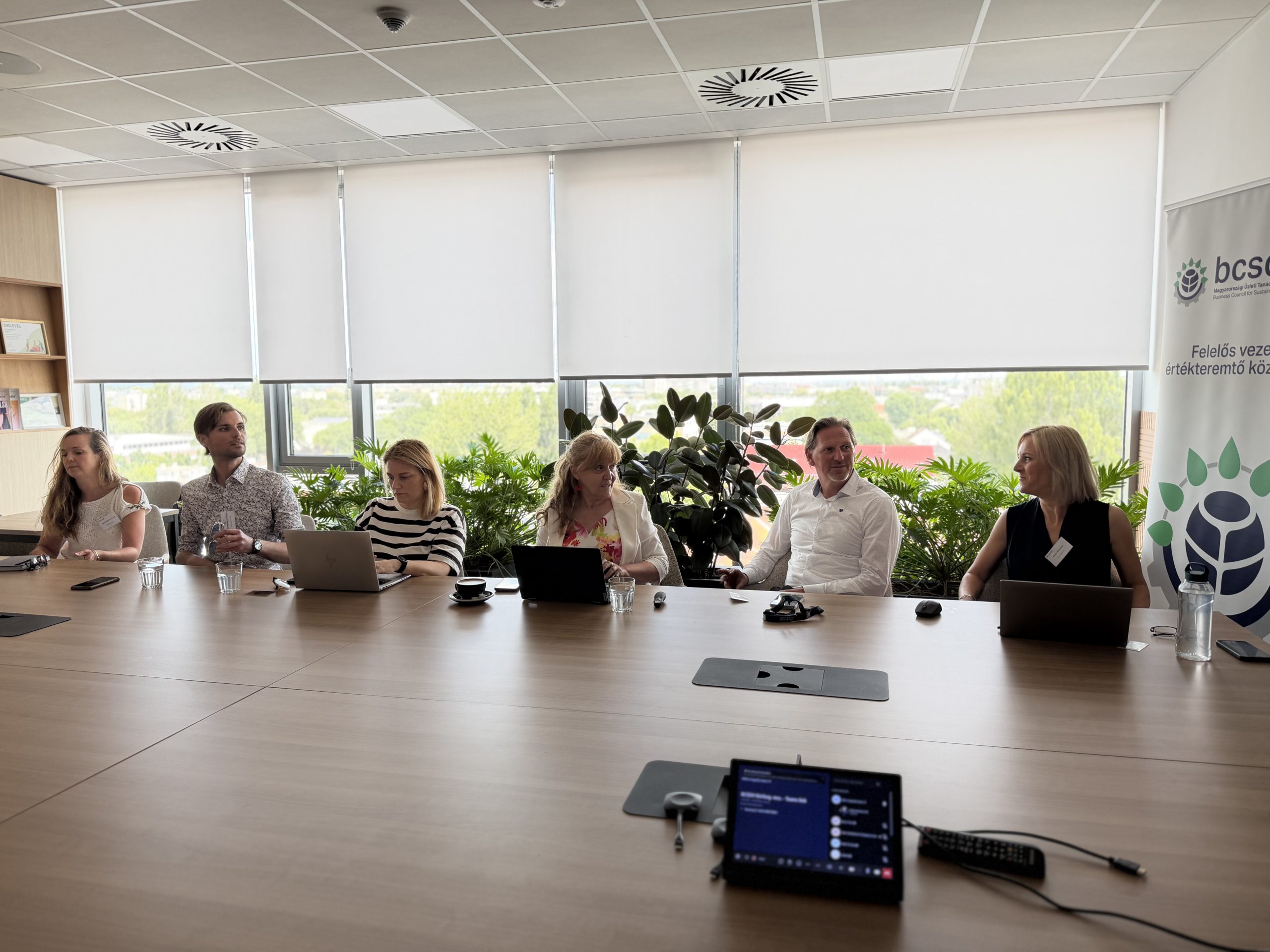
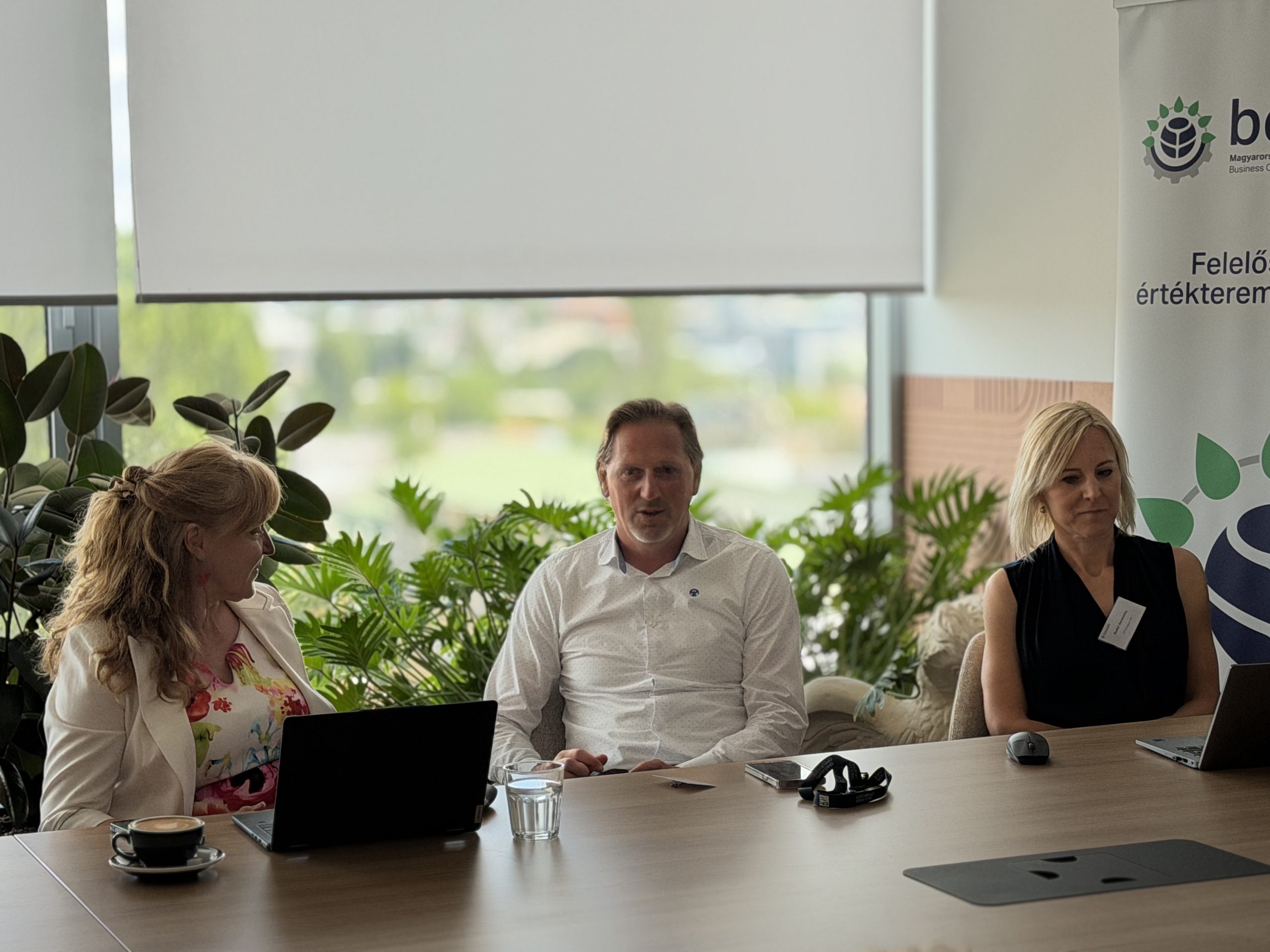
This question was at the heart of the Circular Economy Working Group meeting held on 17 June, where participants discussed not only global trends, but also the experiences and challenges faced by Hungarian companies in the transition towards a circular economy.
The meeting was hosted by CPI Hungary. Following the welcome remarks of Mátyás Gereben, Managing Director, Henrietta Budai, Sustainability Manager at CPI Hungary, presented the company’s circular economy initiatives and practical experiences, demonstrating how circularity is increasingly becoming a business reality in the real estate sector as well.
 |
 |
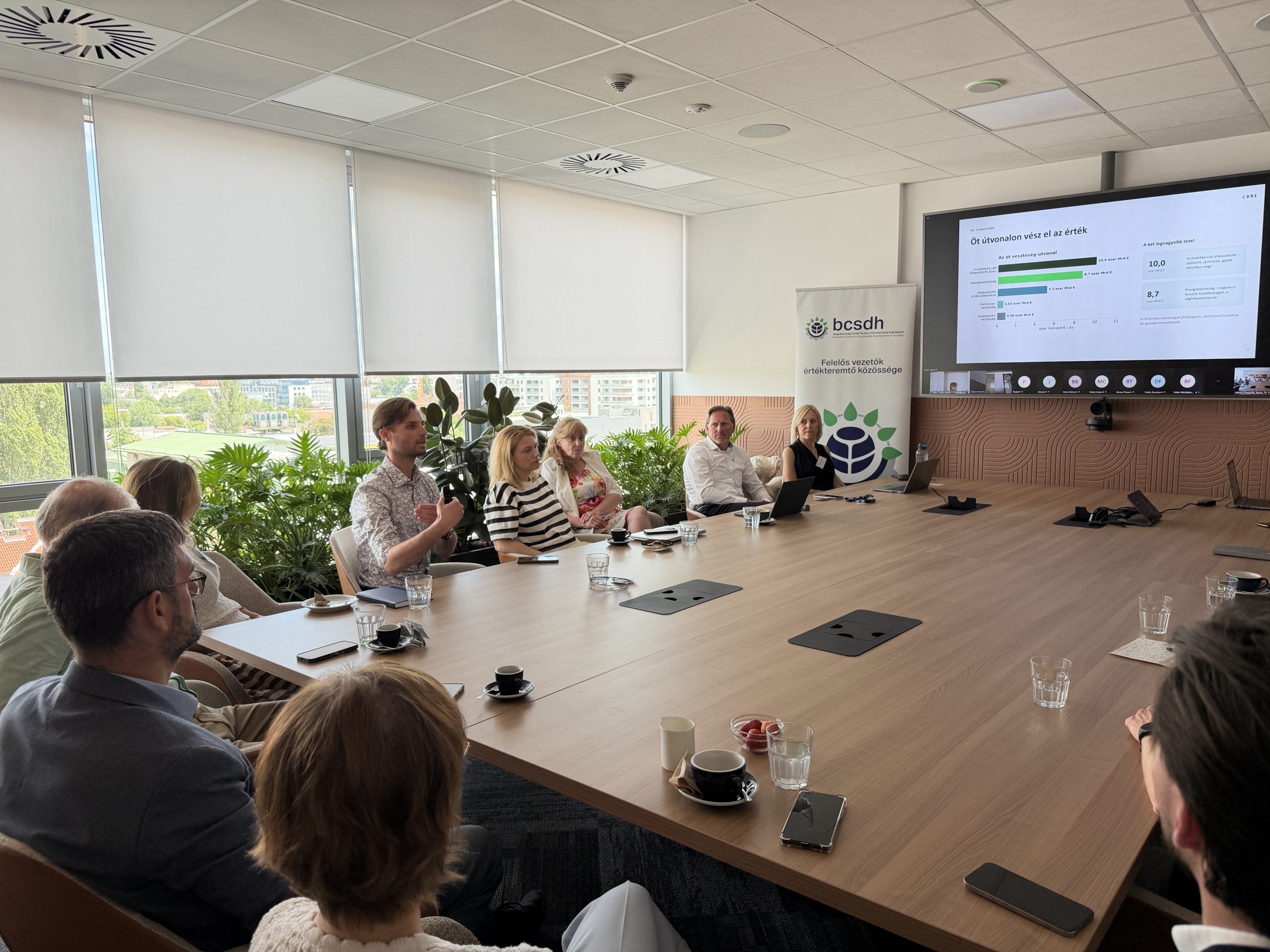
One of the highlights of the programme was the presentation by Dr. Bálint Bartha-Horváth, Deputy Director at CBRE, who introduced the key findings of the Circularity Gap Report 2026. This year’s report approaches the circular economy from a new perspective: rather than focusing primarily on material use, it shifts attention towards the economic value that is being lost. It highlights that under the current linear economic model, substantial economic value is lost due to the inefficient use of resources. According to the report, circularity is increasingly becoming less of an environmental agenda and more a question of competitiveness, resource security and business resilience for companies and economies alike.
 |
 |
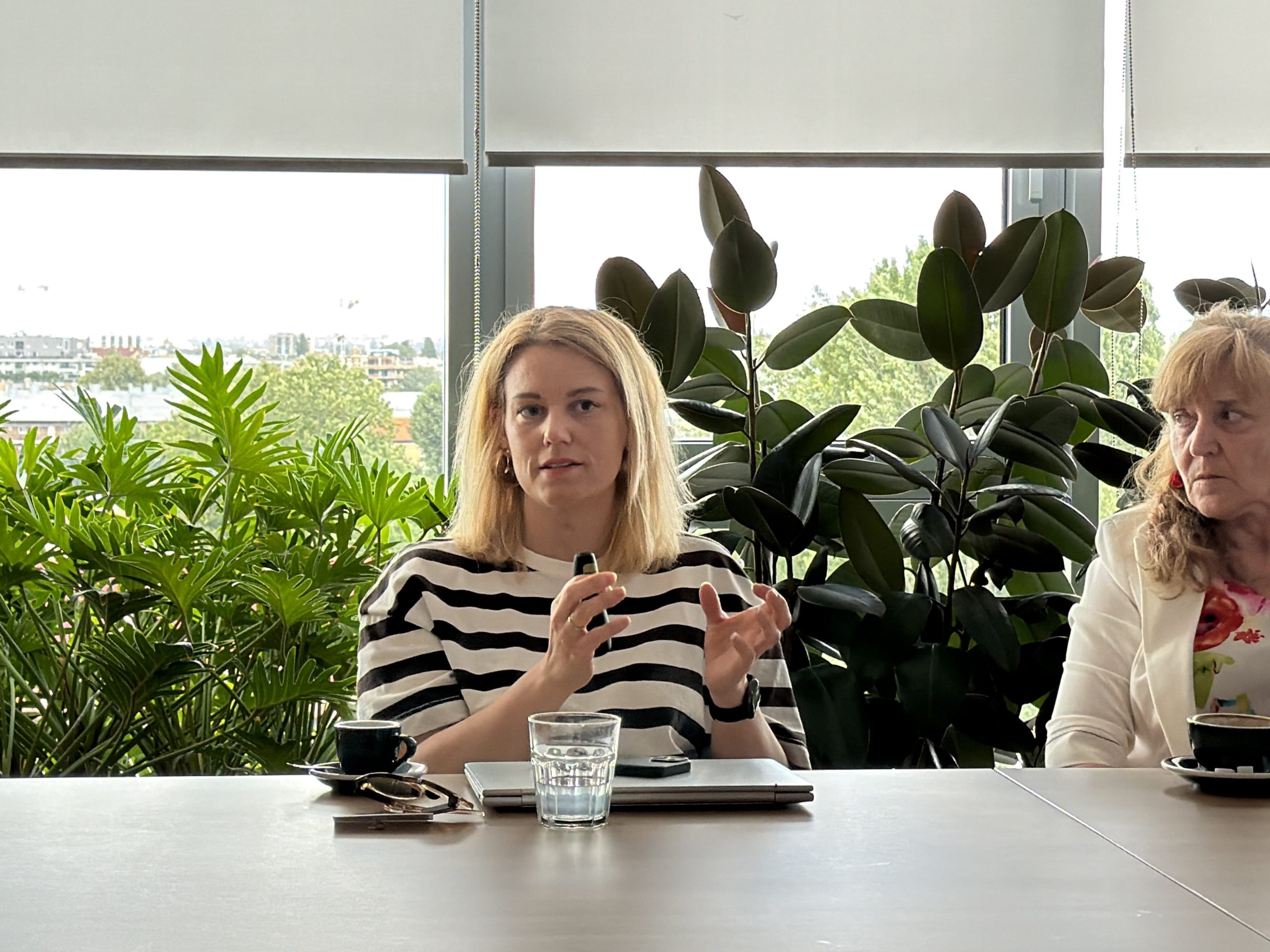
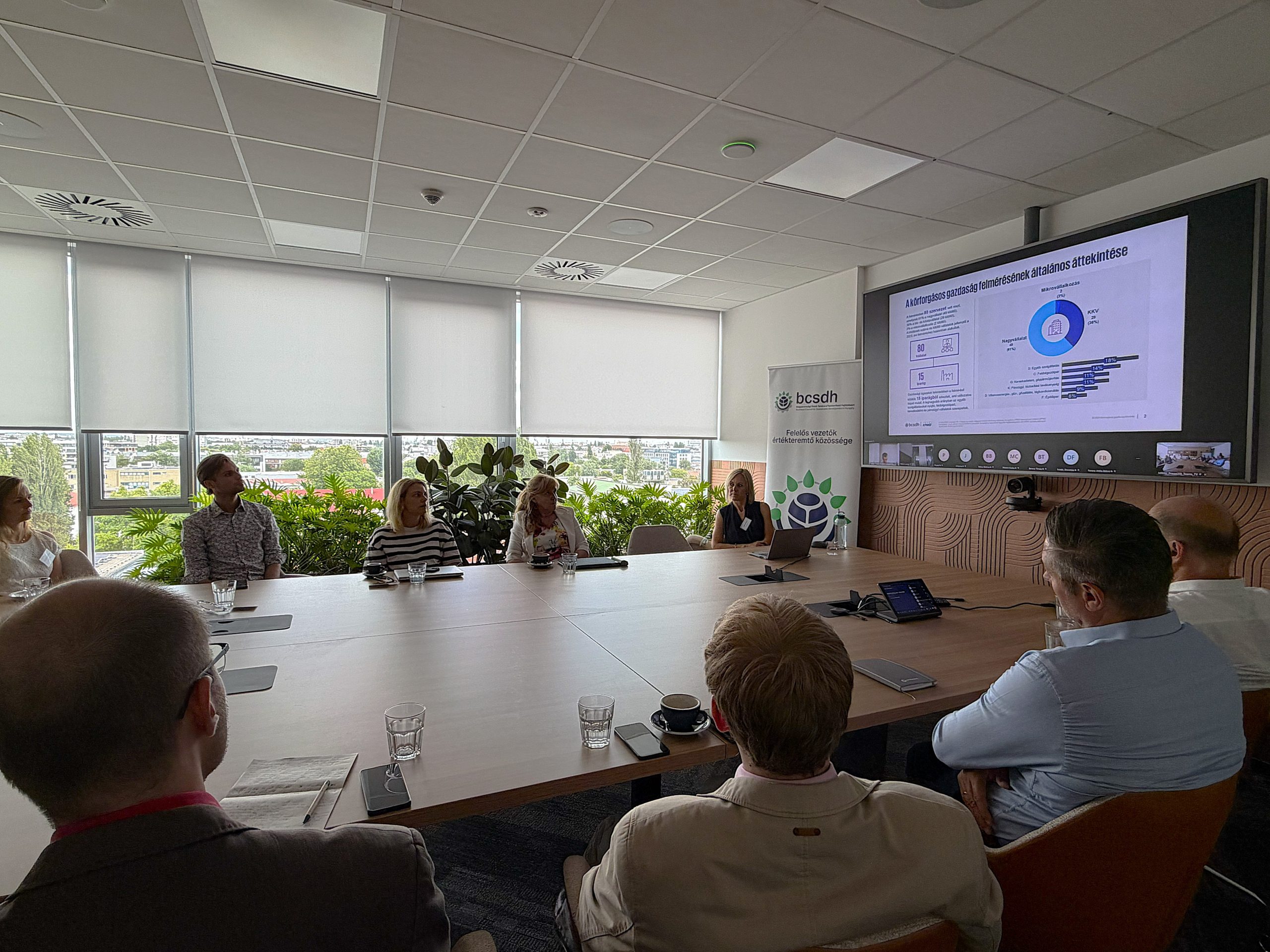
Following the overview of global trends, Julianna Nagy, Director at KPMG, presented the findings of the joint circular economy survey conducted by BCSDH and KPMG. The research shows that circular thinking is becoming increasingly embedded in corporate mindsets; however, in many cases, strategic integration, measurability and collaboration across value chains are still lacking for a genuine breakthrough. The findings suggest that one of the key priorities for the coming years will be to move circularity beyond individual projects and initiatives and make it an integral part of corporate strategy.
 |
 |
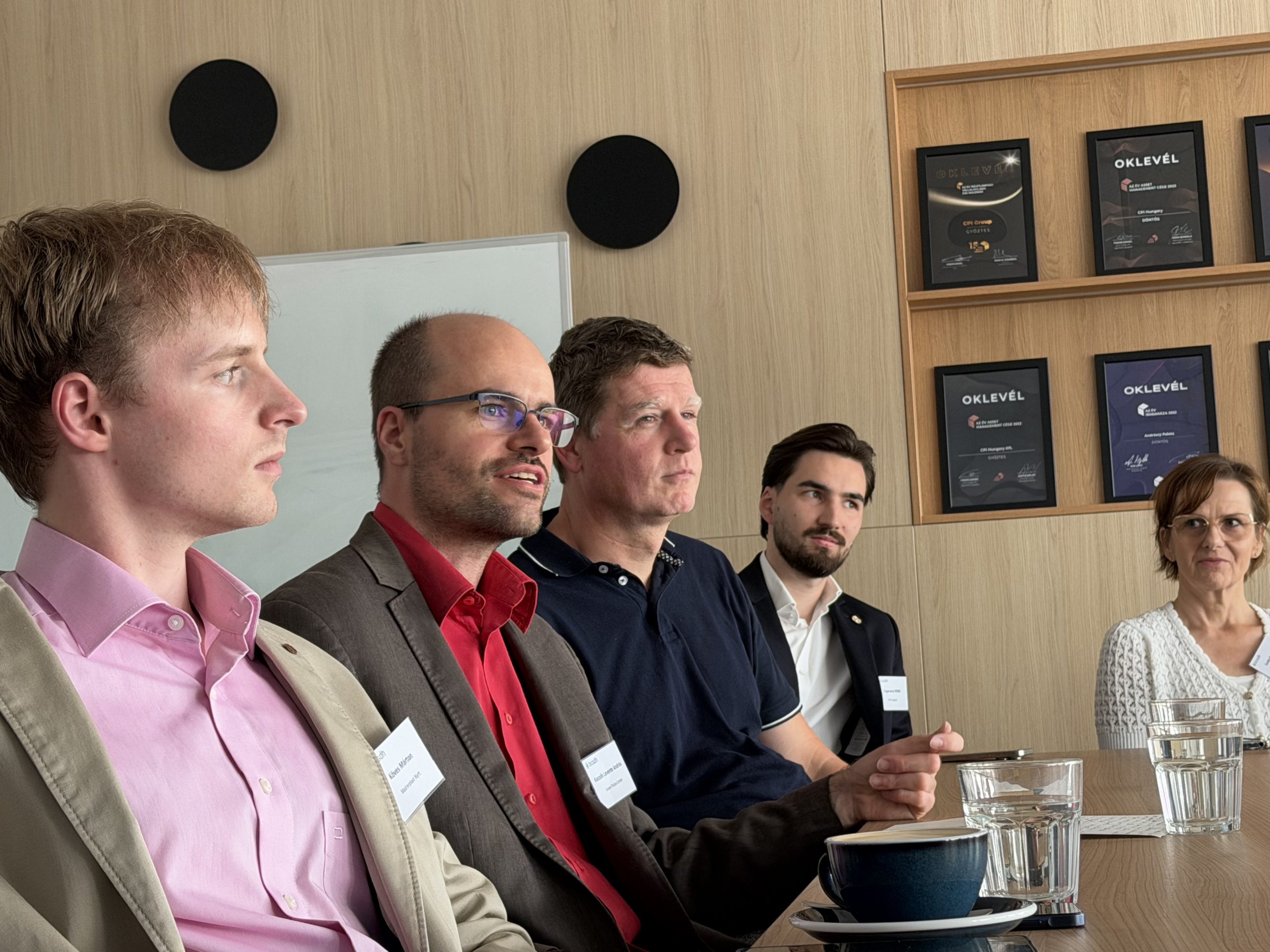
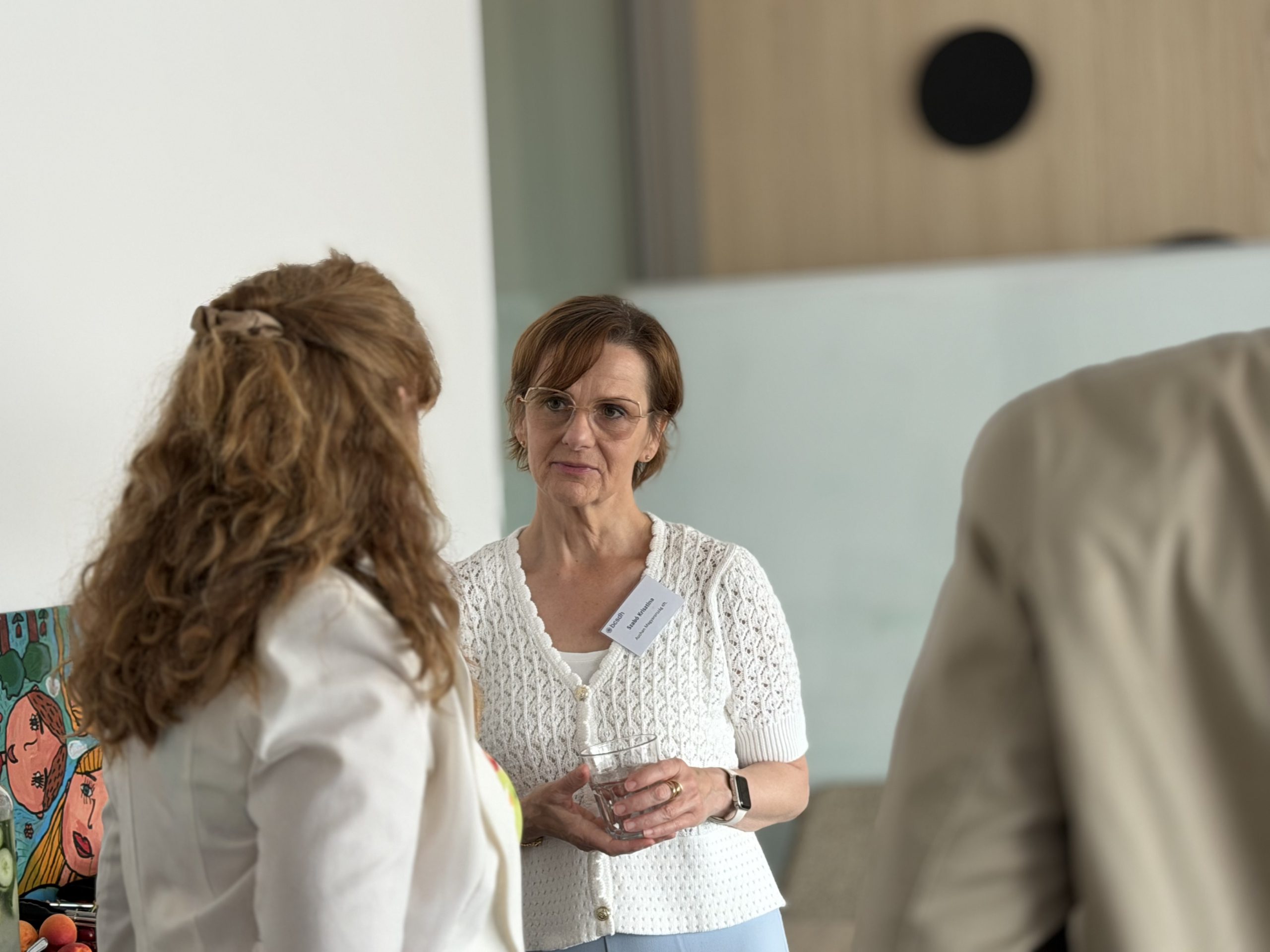
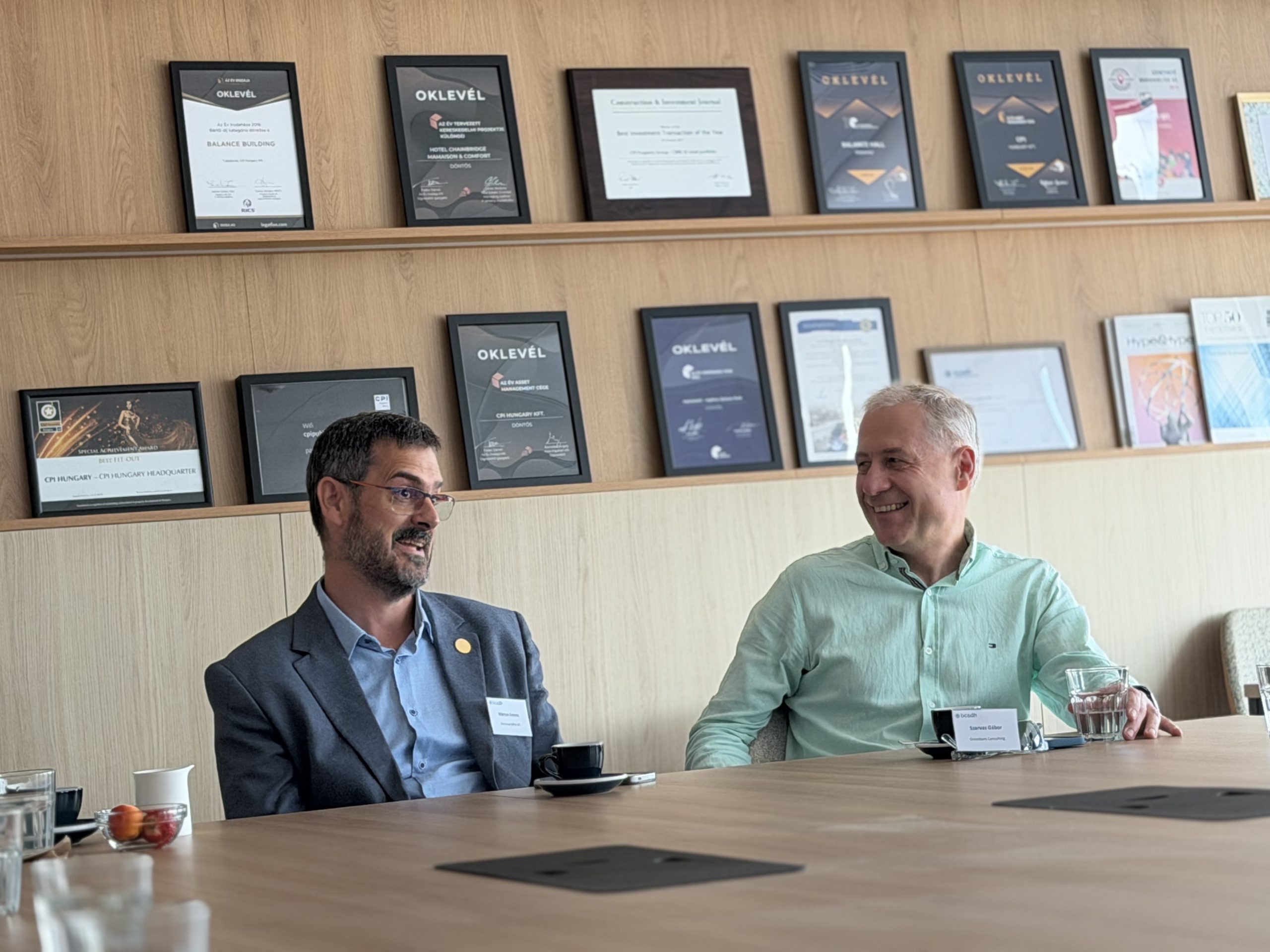
The programme concluded with a professional discussion focusing on current regulatory and market developments related to the circular economy. Participants discussed, among other topics, the expected impacts of the Packaging and Packaging Waste Regulation (PPWR), the new obligations it places on companies, and the business opportunities arising from these changes. One of the key messages of the discussion was that the circular transition cannot be achieved through the efforts of individual companies alone: success depends on collaboration between actors across value chains and on creating value together.
 |
 |
 |
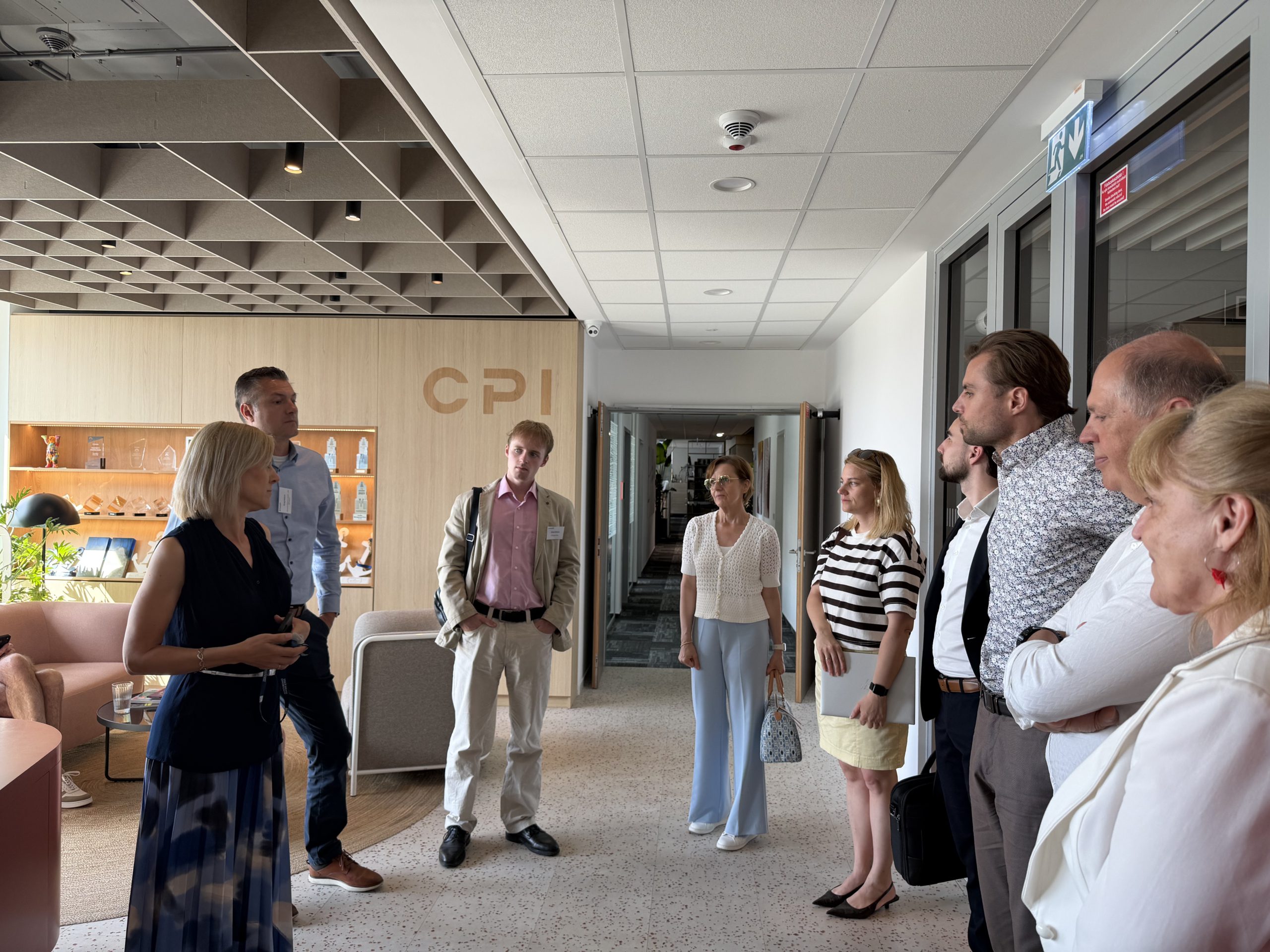
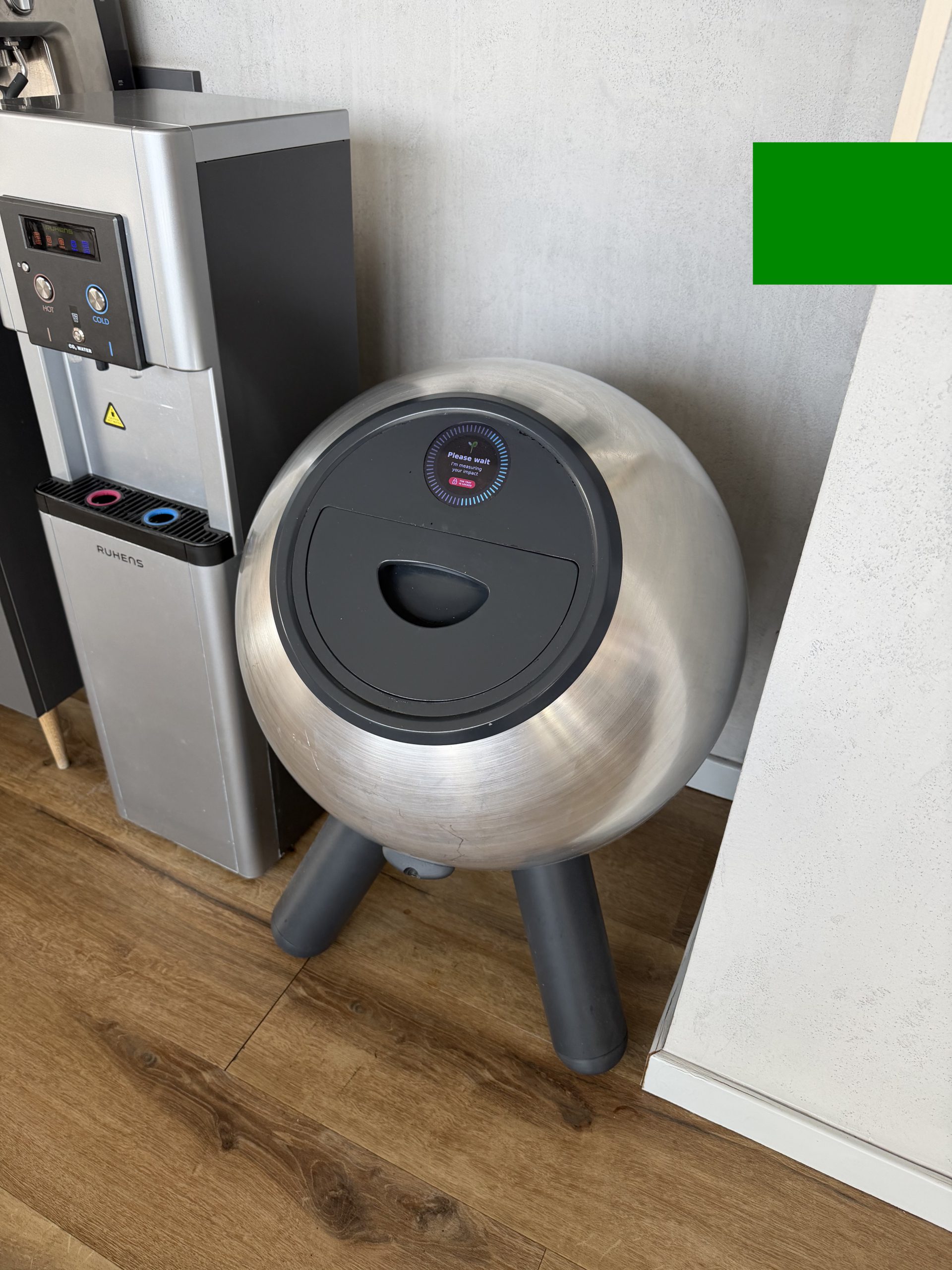
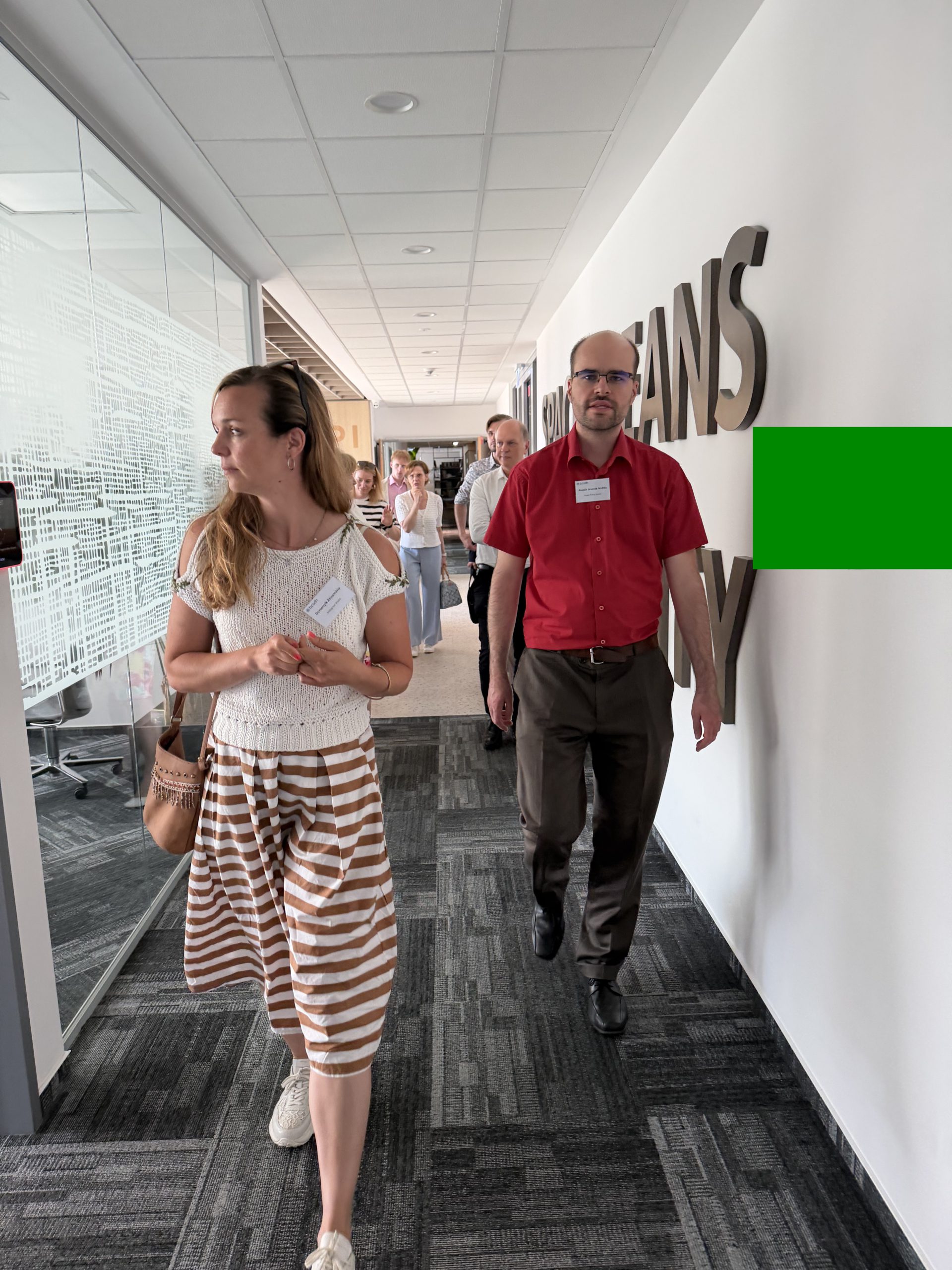
Following the professional programme, participants also had the opportunity to visit CPI Hungary’s office. During the tour, the company demonstrated how circular economy principles can be applied in practice: when designing the office, particular emphasis was placed on retaining and reusing as many existing furnishings and architectural elements as possible.
 |
 |
 |
We would like to thank the supporters of the Circular Economy Platform in 2026: