
Reuse works in practice—but cooperation and industry collaboration are essential
On March 17, 2026, IKEA Soroksár hosted a meeting of the BCSDH Circular Economy Platform working group, where participants explored the practical implementation of reuse—not only through theory but also through real-world examples.
The meeting made it clear from the opening remarks: interest in the topic is growing, but systemic changes are needed to achieve a breakthrough. This year’s work plan, presented by Irén Márta, Executive Director of the BCSDH, reinforces this approach, notably through the BCSDH Academy and upcoming professional events aimed at supporting companies with practical knowledge in their transition to a circular economy.
Reuse: The Will Is There, but the System Is Still Missing
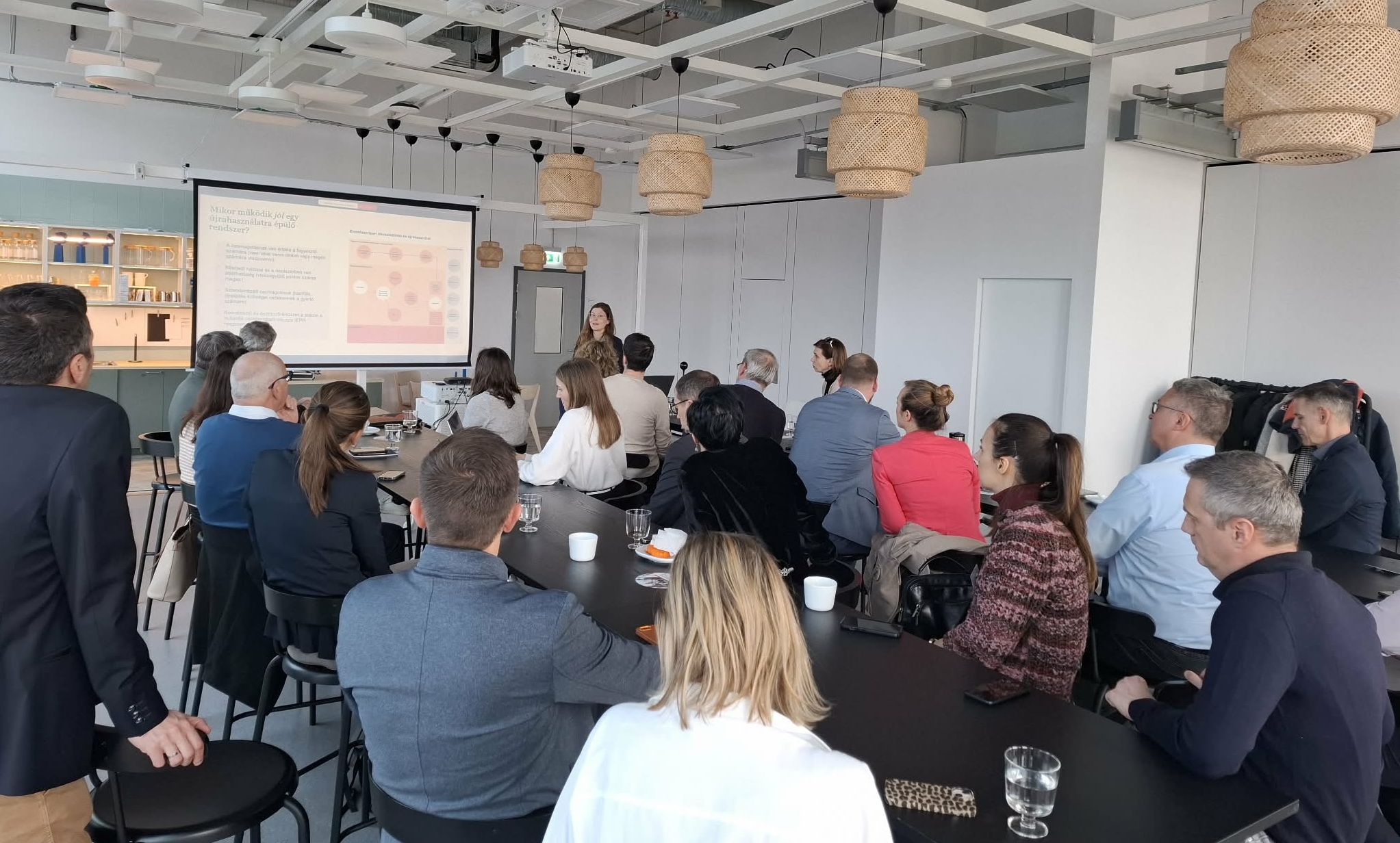
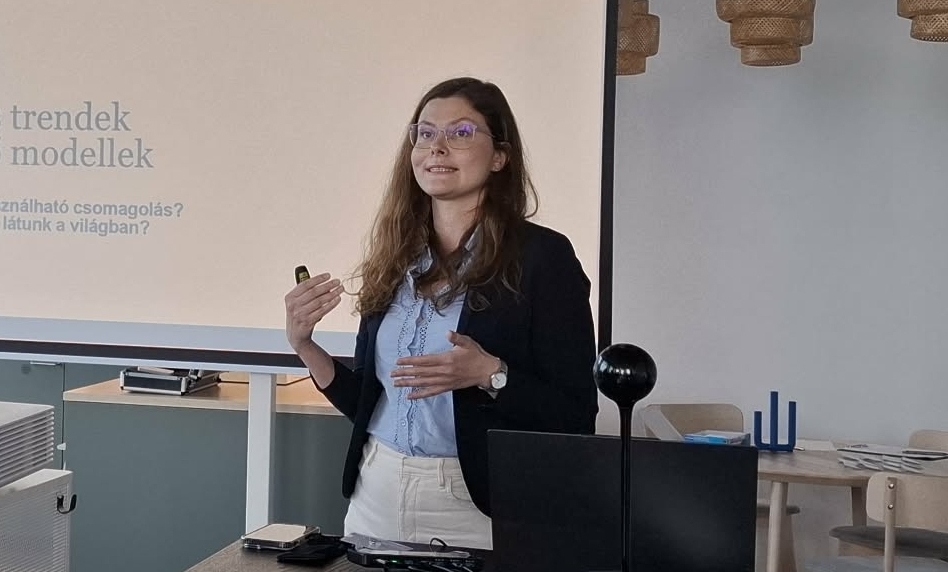
In the first presentation of the professional program, Léna Molnár, a manager at PwC Hungary, presented the results of PwC’s research titled “The Future of Reusable Packaging.” The study highlighted that reuse is not primarily a technological issue, but a systemic one. Although consumers are generally open to sustainable solutions, current practices often do not make it easy for them to make conscious choices.
 |
 |
One of the key takeaways is that reuse models only work well if:
- they offer real value to consumers,
they do not require a significant change in behavior,
and they are backed by a well-organized, collaborative system.
International examples show that with well-functioning return and refill systems, significant packaging reductions—as high as 70–90%—can be achieved, while generating economic benefits for both consumers and companies. At the same time, establishing these systems requires complex infrastructure and industry coordination.
It works in practice—the IKEA example
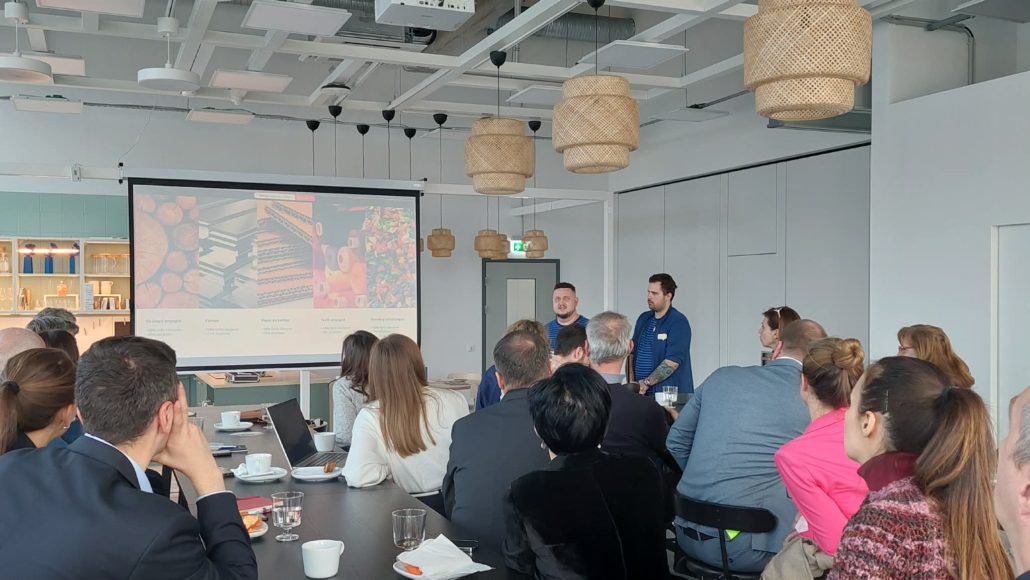
In the second half of the program, participants gained insight into IKEA’s circular economy initiatives. Péter Helebrand, Recovery Manager, and Kristóf Zsolt, Circular Sales Specialist, presented the “Second Life for Furniture” service and the operation of the Furniture Rescue Point, which aim to extend the lifespan of products and close the material loop. He emphasized that consumers are increasingly open to used products: according to surveys, 65% have already purchased a used product, and a similar proportion also repairs furniture. At the same time, concerns regarding quality, hygiene, and warranties remain significant barriers, which trusted brands are best positioned to address.
 |
 |
The concrete results of the Furniture Rescue service clearly demonstrate the model’s effectiveness:
- since the program’s launch, 14,000 pieces of furniture have found new homes, and over the past year alone, more than 1,200 pieces have found new owners;
- responses to offers are received in less than half a day on average;
products are resold in 2.5 days on average. - IKEA’s long-term goal is to achieve a fully circular and climate-positive operation by 2030, for which the development of circular design principles and new service models is key.
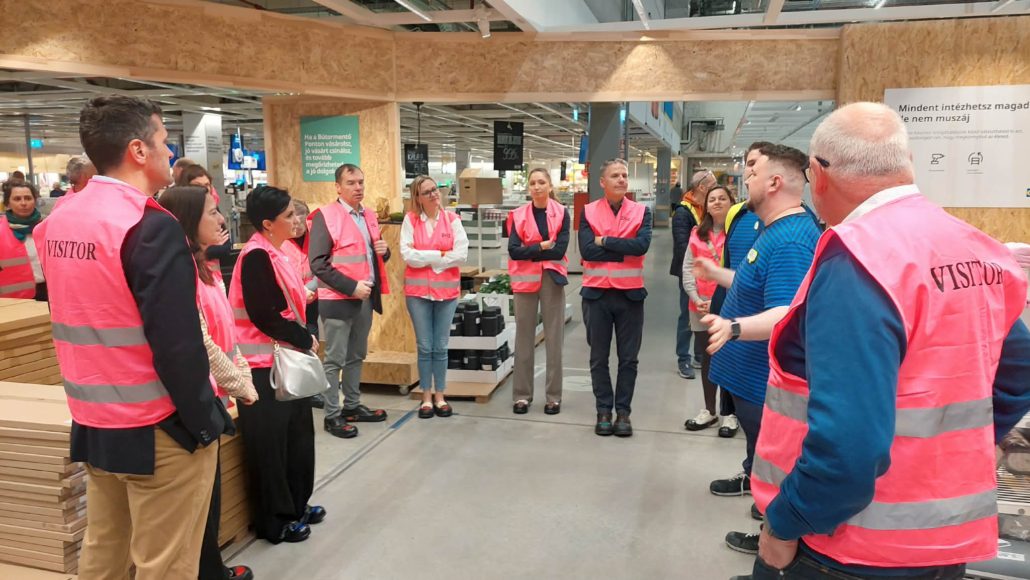
At the end of the program, participants had the opportunity to gain insight into the operation of IKEA’s furniture rescue center during a store visit.
 |
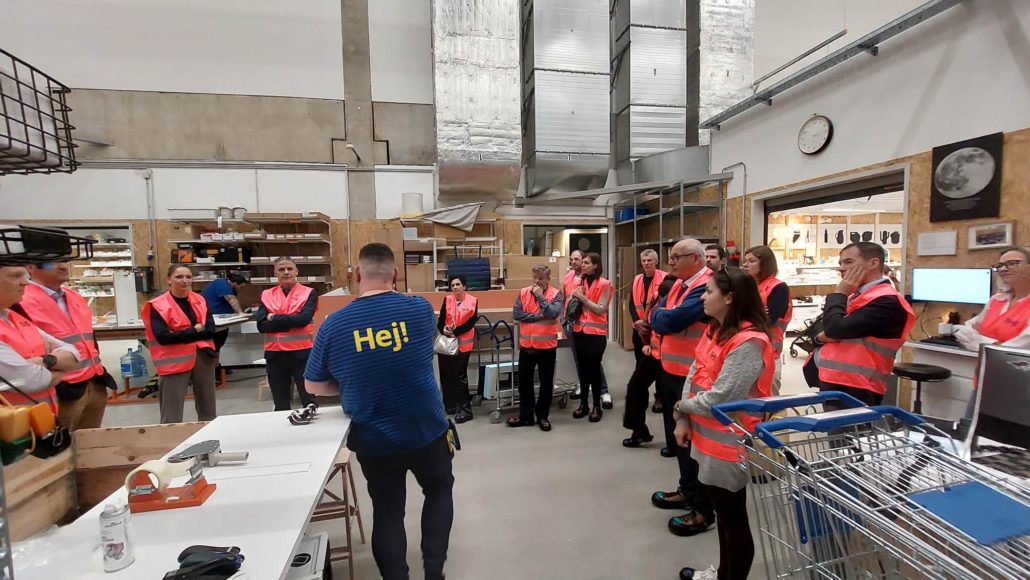 |
Thank you to IKEA for hosting our event.
Thank you to our sponsors this year!