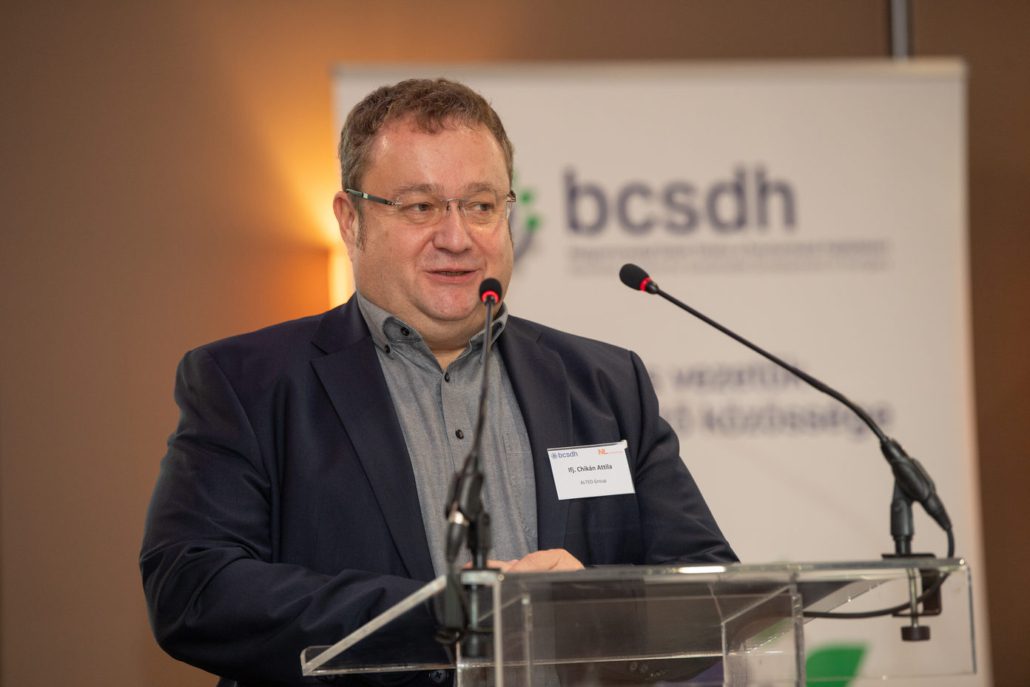
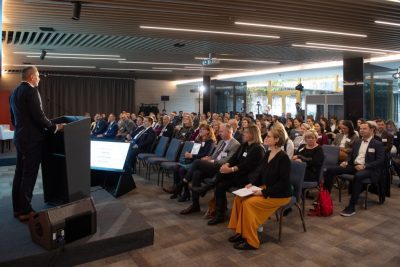
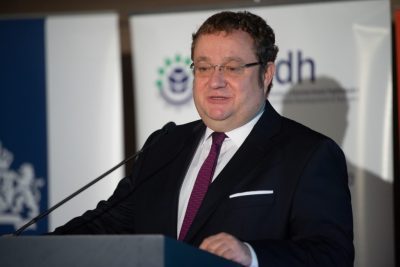
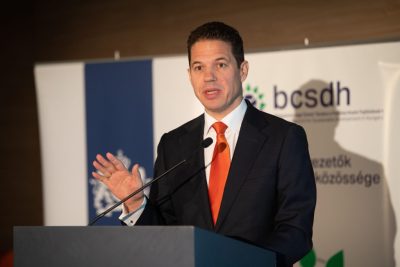
On 20 November 2025, the Circular Economy Summit was held for the eighth time at Öbölház, where corporate leaders, researchers, and policymakers gathered to discuss the latest challenges and opportunities associated with the circular transition. The event was hosted by Willem van Ee, Ambassador of the Kingdom of the Netherlands, and Attila Chikán Jr., President of the Business Council for Sustainable Development in Hungary (BCSDH).
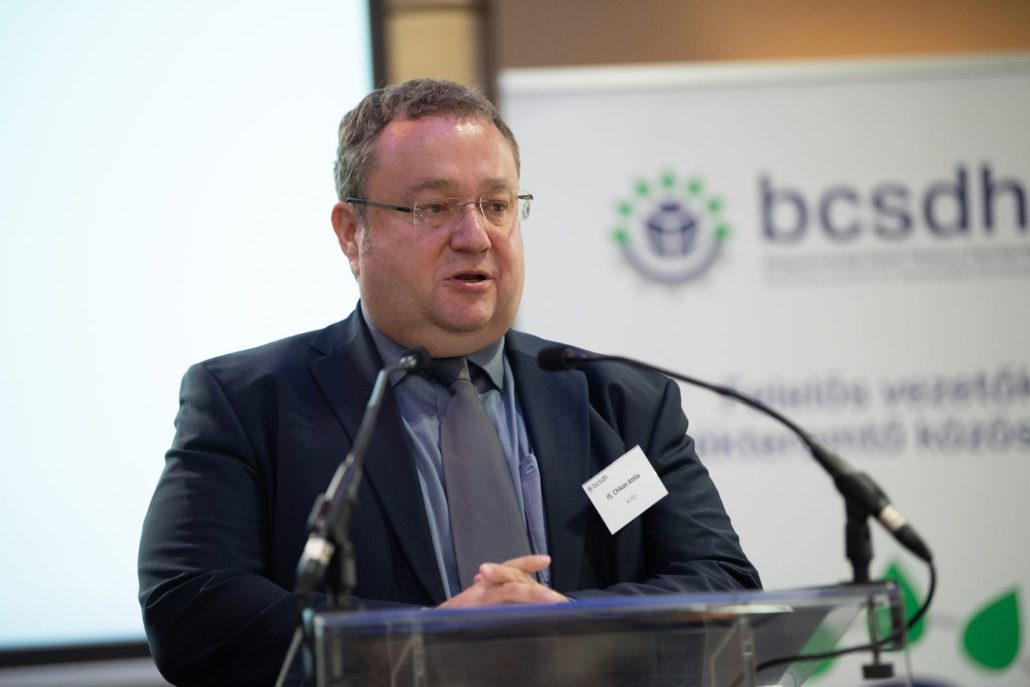
“The Circularity Gap Report 2025 shows that although we have taken small steps forward, due to increasing material use, only 6.9% of material flows can be considered circular, which represents a setback compared to last year’s 7.2%. Growing material consumption is responsible for 60% of harmful climate impacts, more than 90% of biodiversity loss and water stress related to land use, and around 40% of health-damaging particulate pollution. This is a clear signal that systemic change, cooperation, and consistent corporate action are needed to advance the transition to a circular economy.” – highlighted Attila Chikán Jr. in his opening remarks.
Nagy Z.Laszlo nagyzl@nagyzl.hu
“The main findings of the report highlight that global material use continues to grow while circular performance is declining. The foundations of the linear model – large-scale extraction, short product lifecycles, and high levels of waste generation – are hindering the sustainable functioning of the economy. Although efficiency and technological developments are improving, these alone cannot counterbalance the rising demand for materials. The report emphasizes that recycling on its own could raise the circularity rate to a maximum of only 25%, which is why prevention, new business models, material substitution, longer product lifecycles, and systemic cooperation are indispensable.”
Nagy Z.Laszlo nagyzl@nagyzl.hu
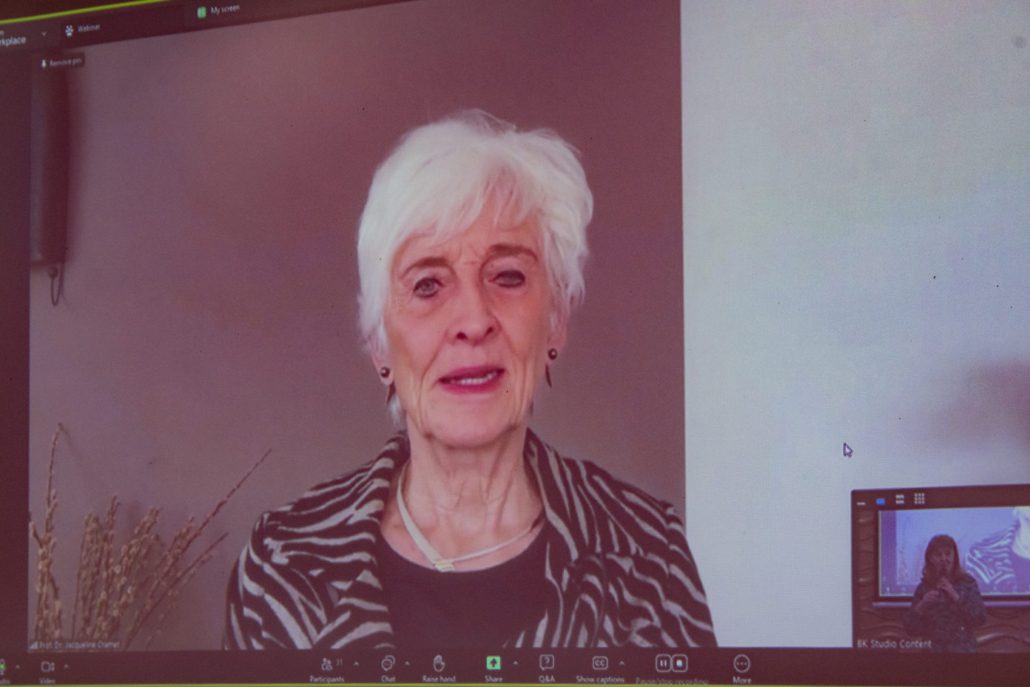
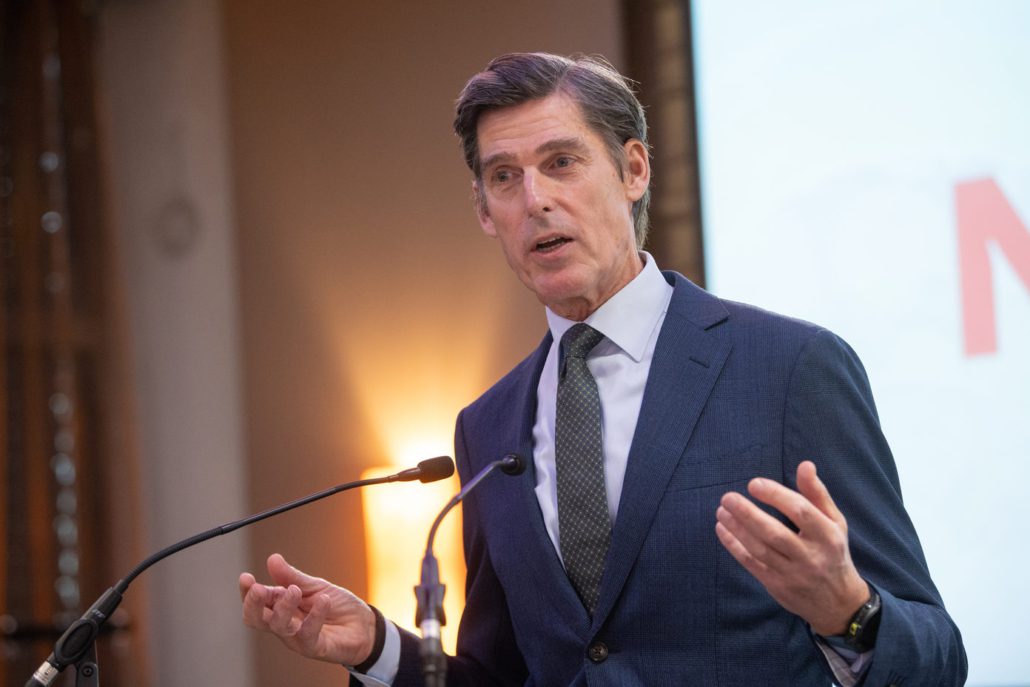
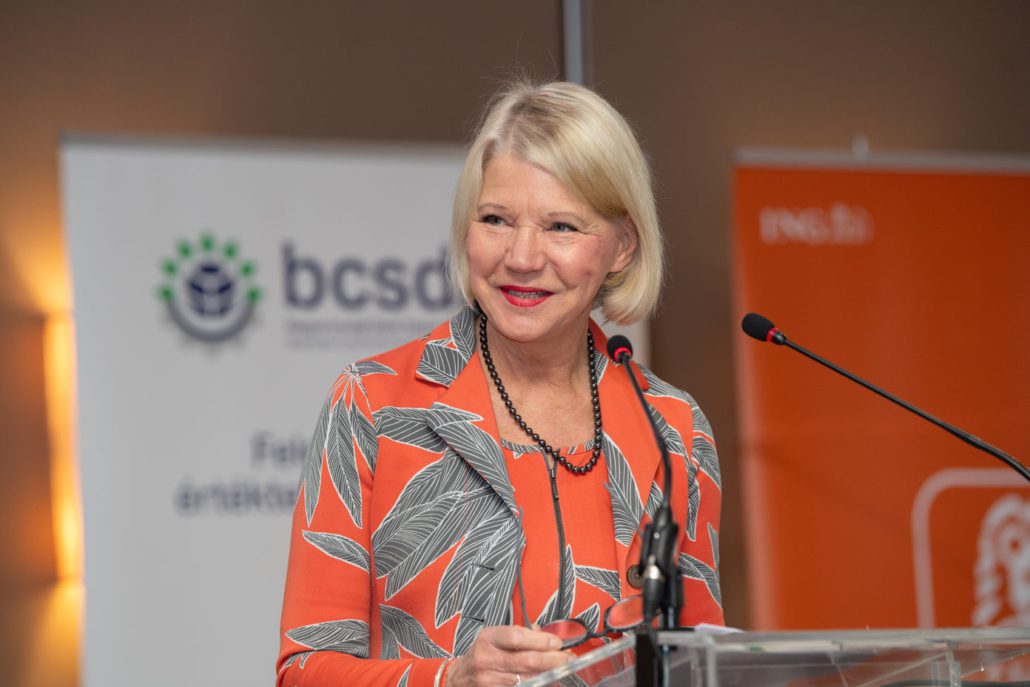
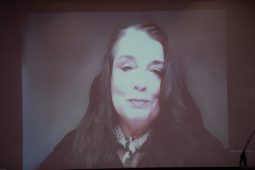
The keynote speaker at the event was Prof. Dr. Jacqueline Cramer, emeritus professor at Utrecht University, who presented how significant progress toward a circular economy can be achieved at both national and sectoral levels, using the Dutch Concrete Agreement as an example. In her lecture, she pointed out: “The transition to a circular economy offers an exciting opportunity to reduce environmental burdens while strengthening business development and innovation. At the same time, no single company, government, or citizen can accomplish this transition alone. To realise change, cooperation among product chain partners or regional actors is needed. Independent intermediaries, so-called brokers, can help coordinate stakeholders and accelerate the process.”
Nagy Z.Laszlo nagyzl@nagyzl.hu
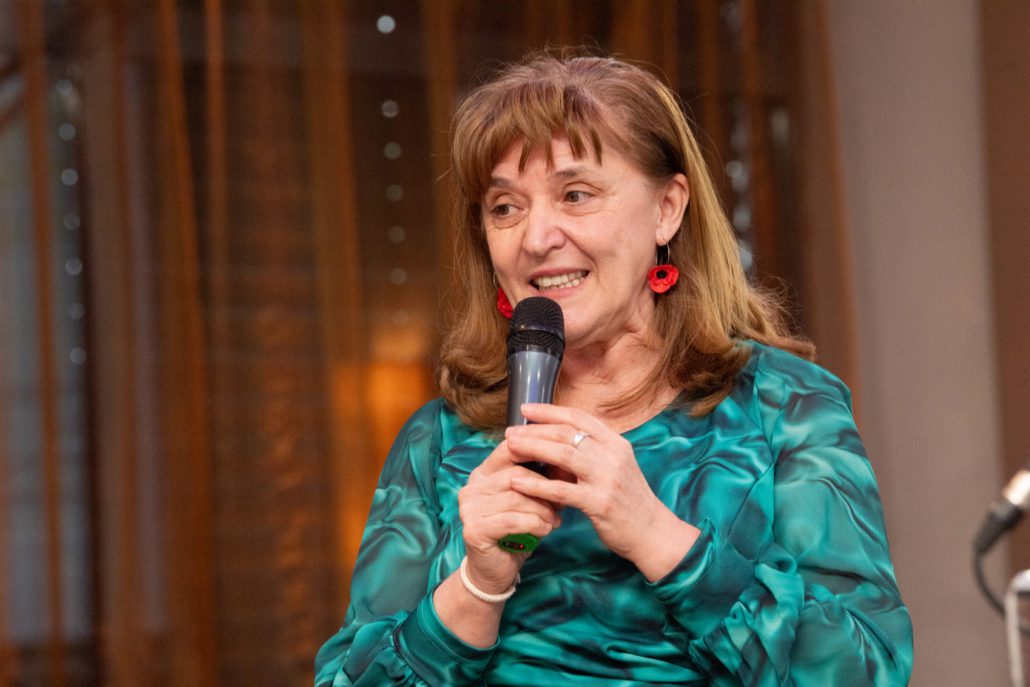
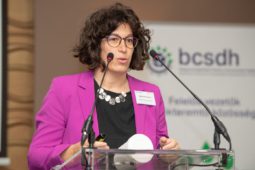
“BCSDH’s international event, which involves bringing the European Circular Economy Hotspot meeting to Budapest on 5–7 October 2026, aims to highlight the importance and opportunities of the circular economy. Our goal is to showcase the most innovative circular and sustainable economic practices, promote Hungary’s achievements, and support the creation of new collaborations,” shared Irén Márta, Managing Director of BCSDH, with participants.
Nagy Z.Laszlo nagyzl@nagyzl.hu
Ambassador Willem van Ee highlighted: ‘We say in the Netherlands: “We cannot direct the wind, but we can adjust the sails.” Through forward-looking policies, innovative partnerships, and collective commitment, we are indeed adjusting our sails — steering our economy toward a circular, sustainable and regenerative future that other nations can learn from.’
 Nagy Z.Laszlo nagyzl@nagyzl.hu | 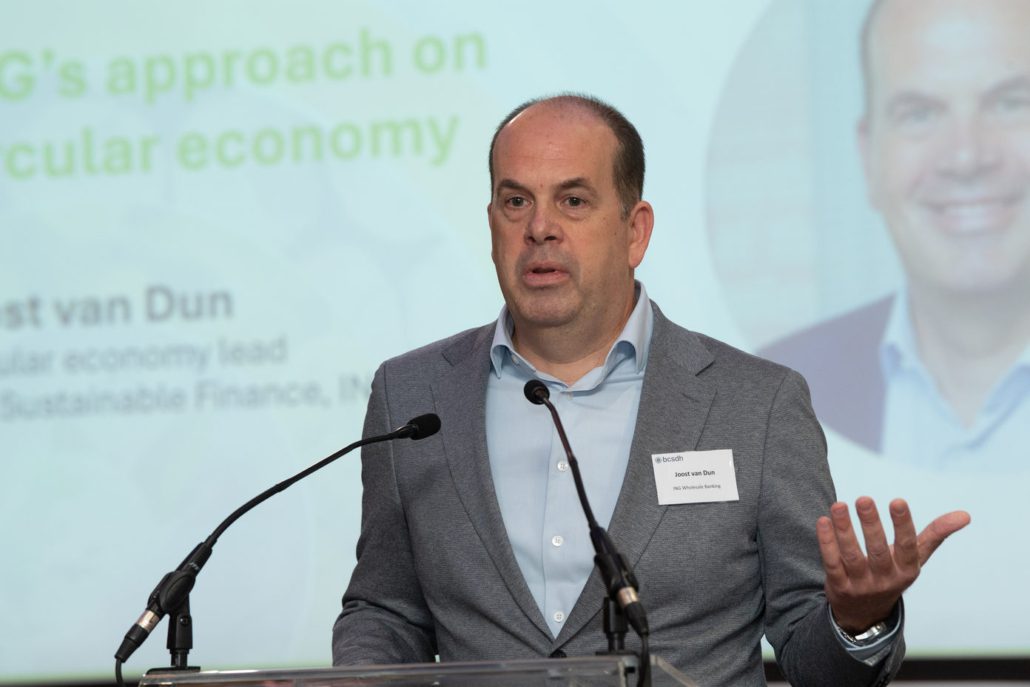 Nagy Z.Laszlo nagyzl@nagyzl.hu |
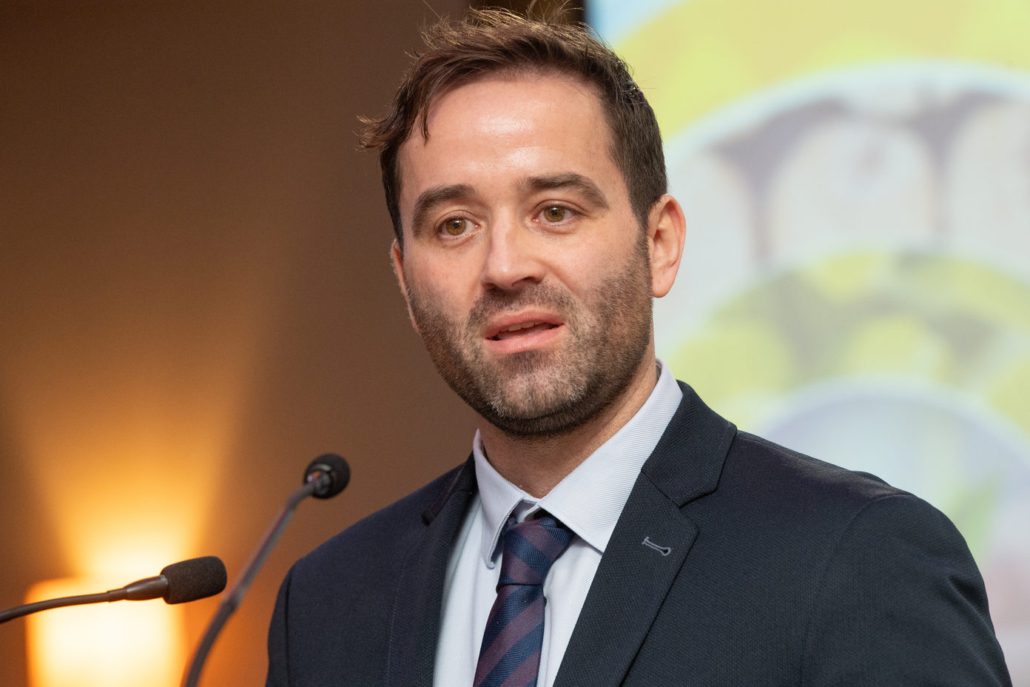
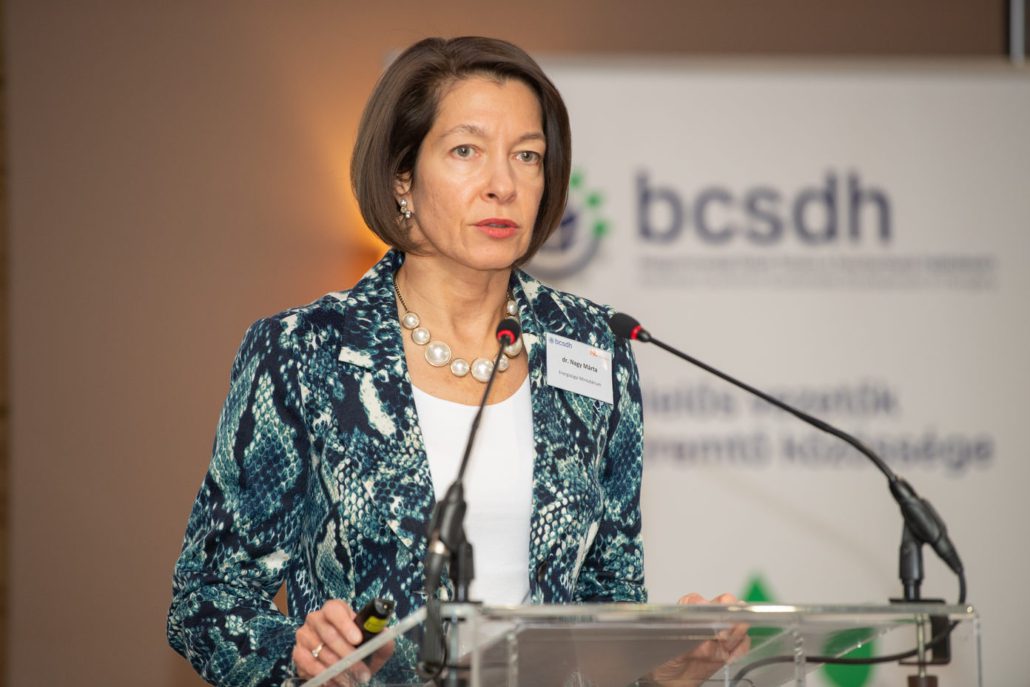
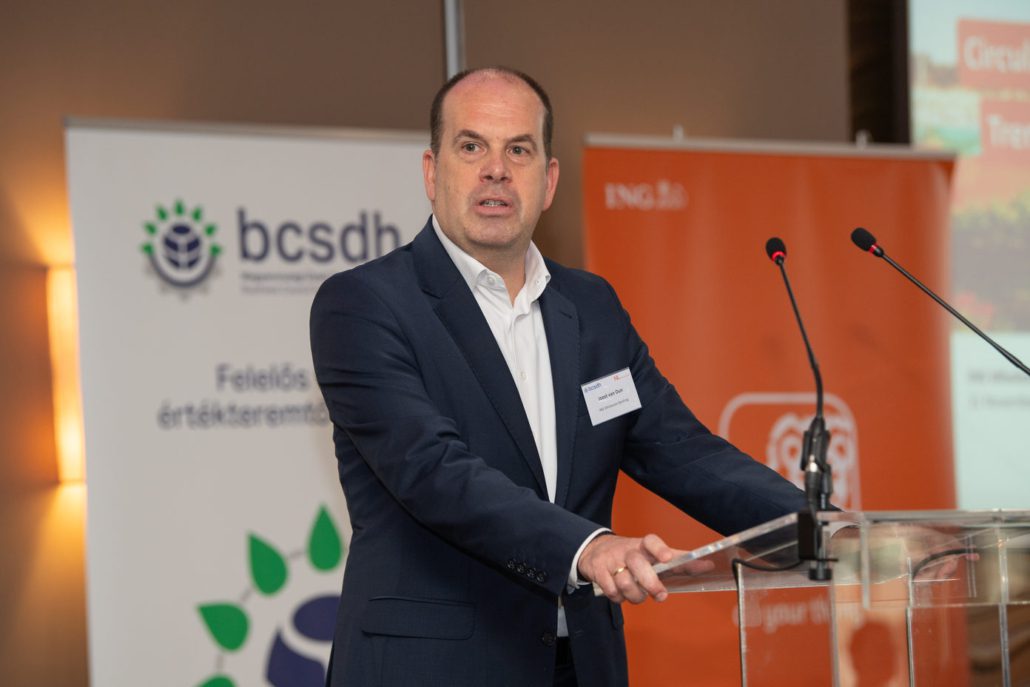
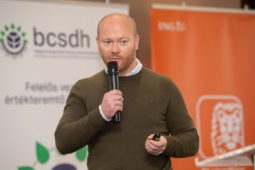
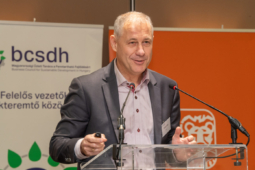
Hungarian policy directions were presented by Dr. Péter Bera, Head of Department at the State Secretariat for Circular Economy and Climate Policy of the Ministry of Energy, who outlined the possibilities for national implementation and the challenges that lie ahead. Joost van Dun, Head of Circular Economy at ING Sustainable Finance, gave a presentation on the financing framework for the circular transition.
Nagy Z.Laszlo nagyzl@nagyzl.hu
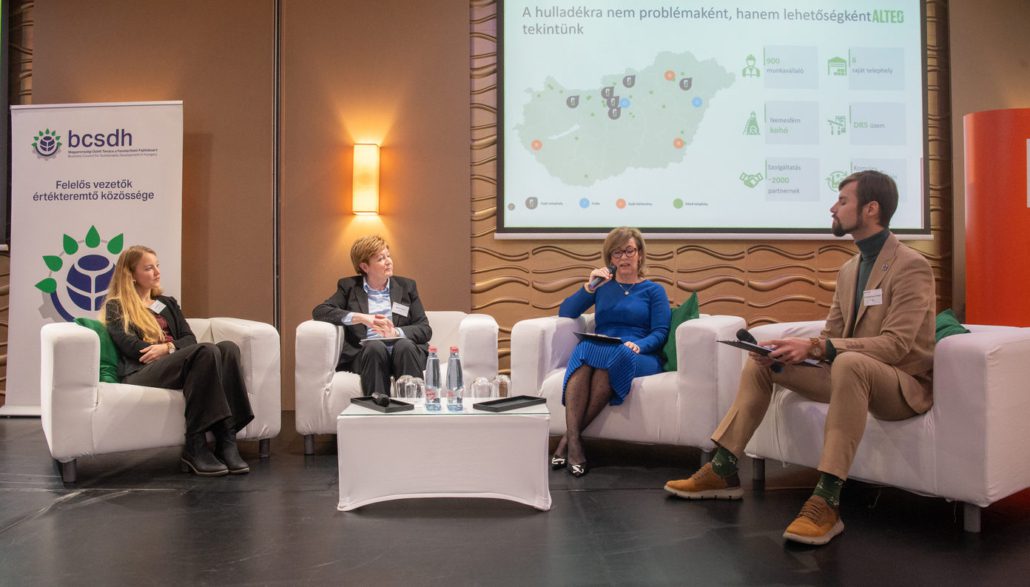
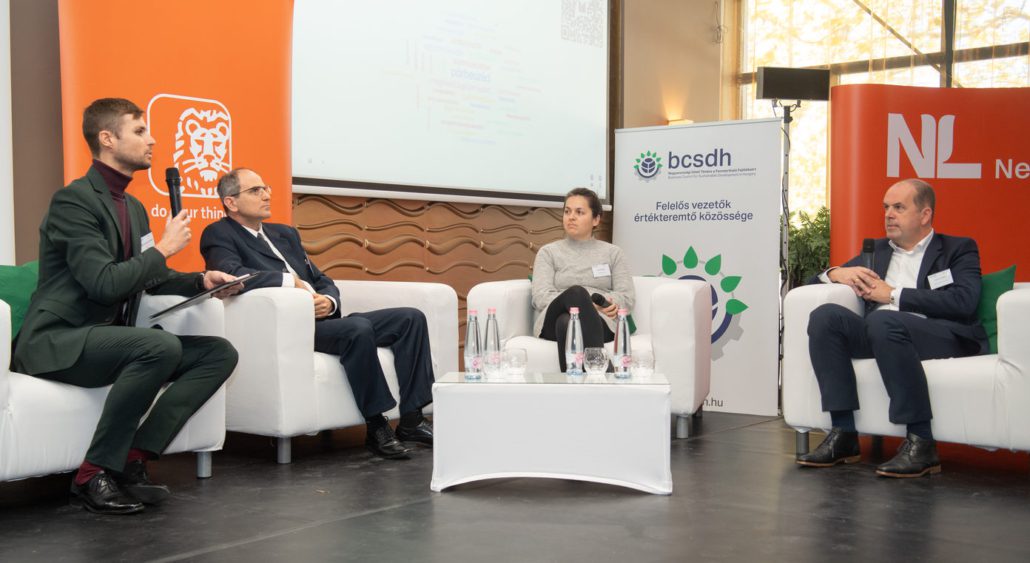
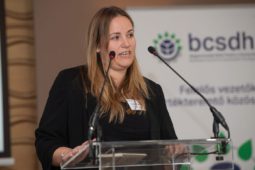
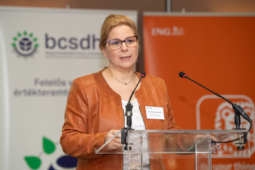
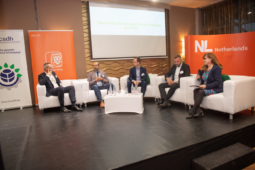
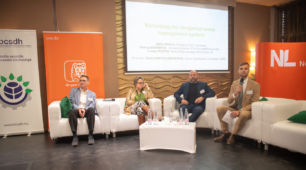
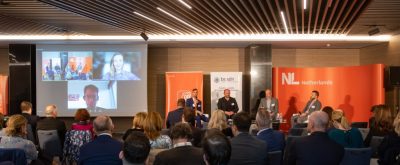
At the roundtable discussion focusing on corporate innovation, moderated by Dr. Bálint Bartha-Horváth (Senior Sustainability Consultant, CBRE), Noémi Bakos (Founder, Equinox), Krisztina Bogdán (CEO, ING Bank), and Anita Simon (Deputy CEO, Alteo Group) shared their practical experiences.
 Nagy Z.Laszlo nagyzl@nagyzl.hu | 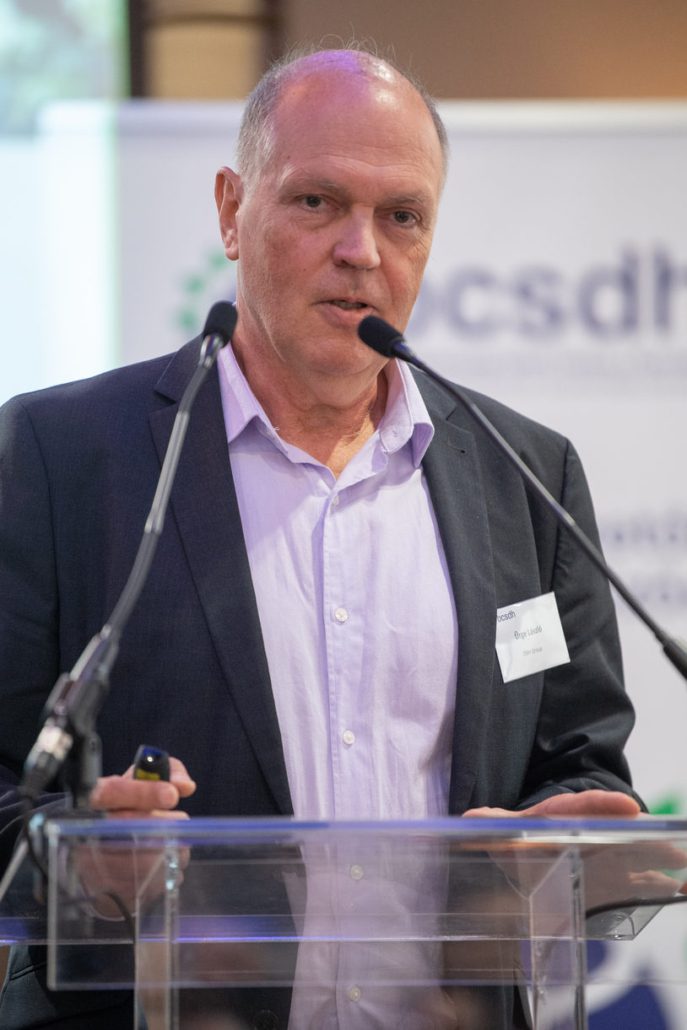 Nagy Z.Laszlo nagyzl@nagyzl.hu |  Nagy Z.Laszlo nagyzl@nagyzl.hu |
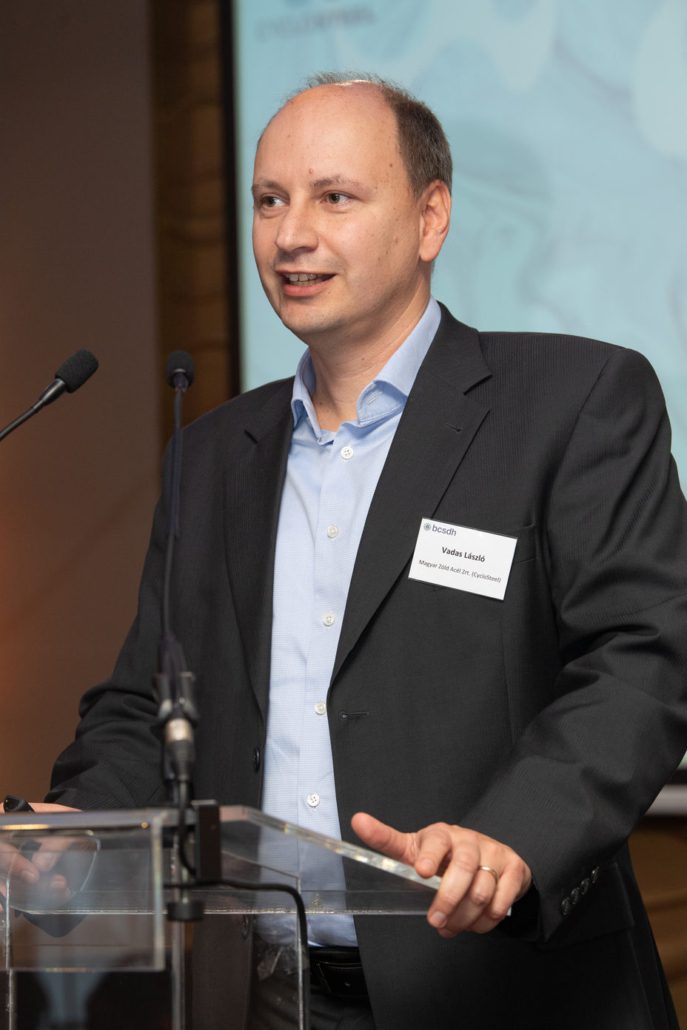
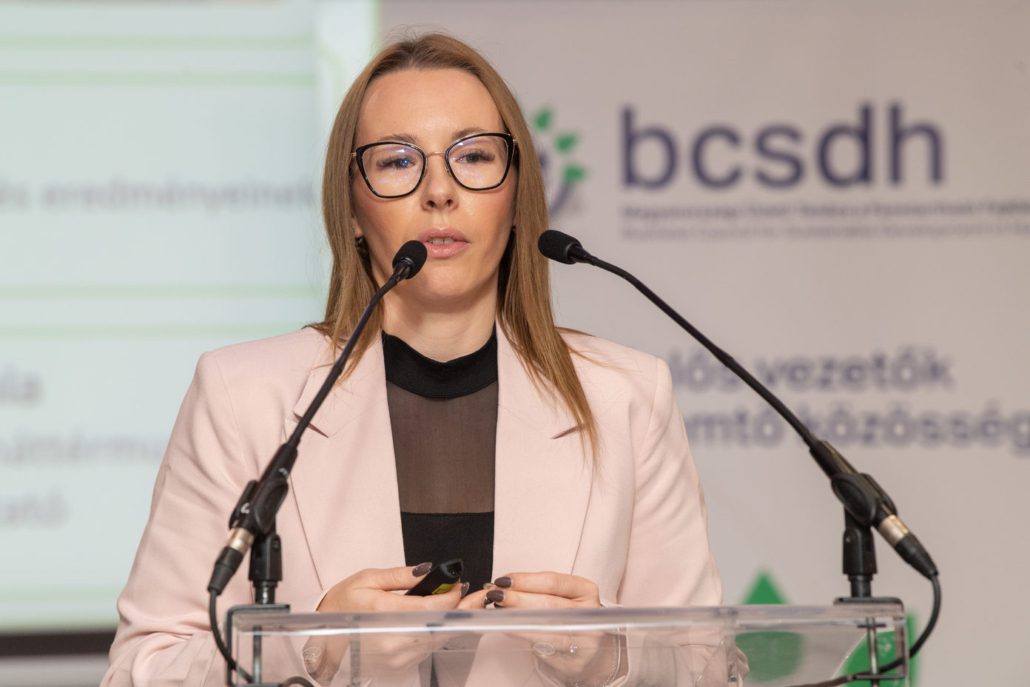
In the corporate pitch session, four organisations – Cyclosteel (László Vadas, Managing Director), DBH Group (László Ürge, Member of the Board), Decathlon (Diána Andri, Sustainability Director), and Terra Matters (Laetitia Georgel, Corporate Social Responsibility and Sustainable Development Expert) – presented their practical innovations that directly support the dissemination of the circular model in Hungary.
Nagy Z.Laszlo nagyzl@nagyzl.hu
BCSDH’s 2025 programmes and the planned professional directions for 2026 were presented by Ivett Takács.
Nagy Z.Laszlo nagyzl@nagyzl.hu
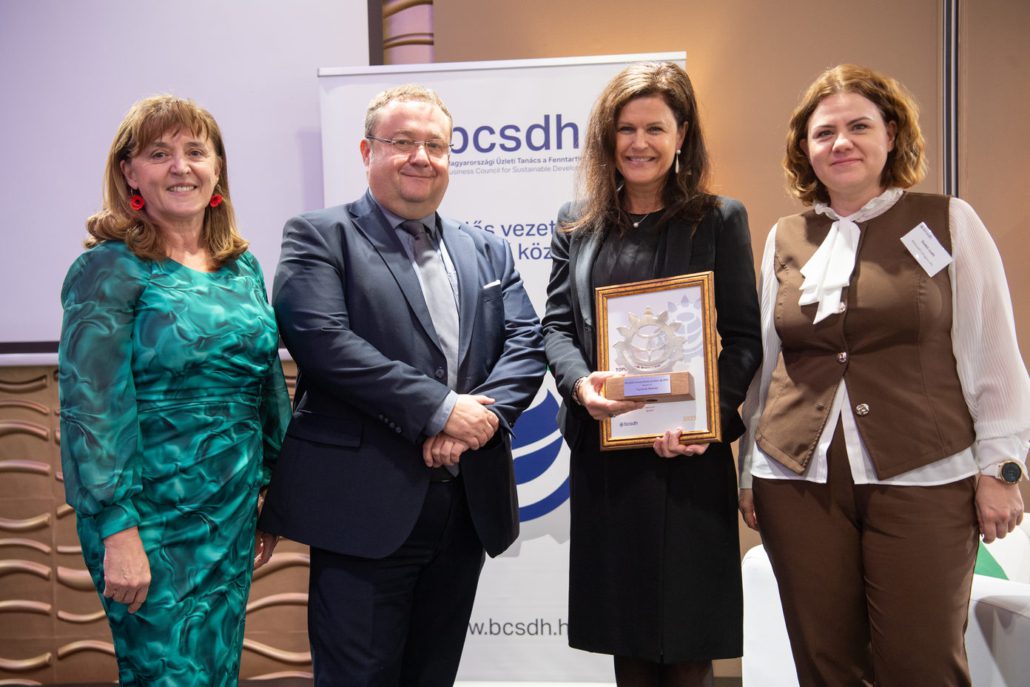
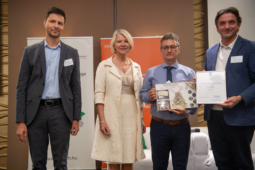
At the event, Melinda Topolcsik, Managing Director of Bridgestone Tatabánya, personally received the ‘Sustainable Future Award’ in the Leading Woman category. Her certificate was presented by Attila Chikán Jr., with the award being handed over by Judit Szabó, Head of Communications at Progress Ltd.
The Tulip Award for Sustainability
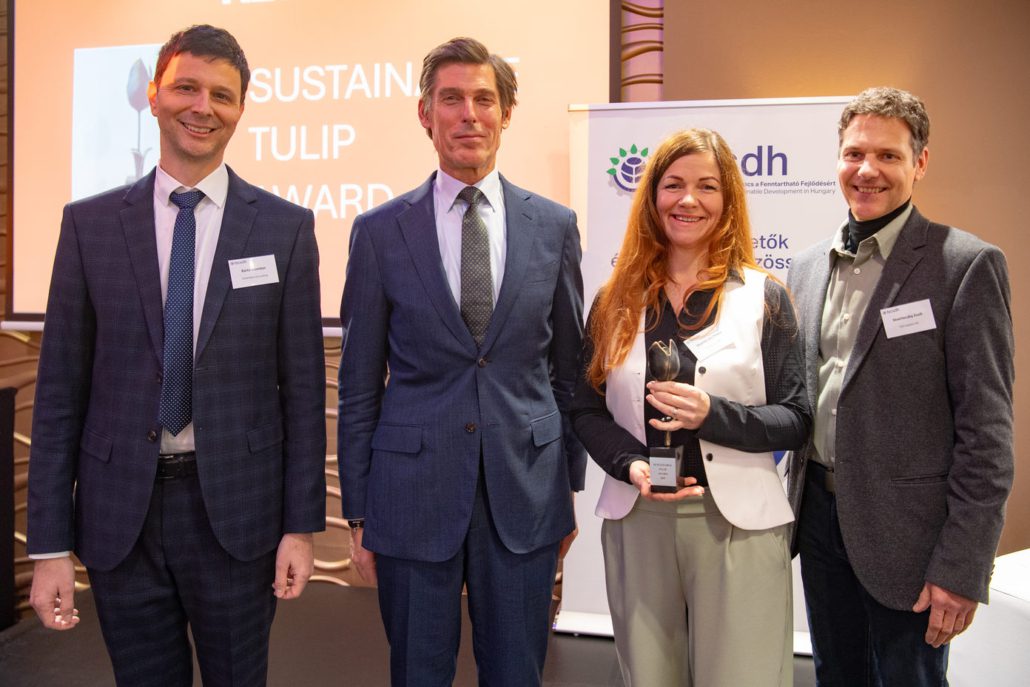
The Circular Economy Summit hosted the award-giving ceremony of the ‘Tulip Award for Sustainability,’ established by the Embassy of the Kingdom of the Netherlands in Hungary.
The award aims to annually recognize SMEs, start-ups, companies, or nonprofit organizations that demonstrate outstanding performance in sustainability within a given industry. This year’s theme was ‘Renewable Energy and Energy Efficiency.’
Nagy Z.Laszlo nagyzl@nagyzl.hu
The award was won by SSH System Ltd. for developing and promoting its straw blanket as a renewable, environmentally friendly, energy-efficient architectural solution. The award was received by Tímea Stverteczky, Chief Financial Officer.
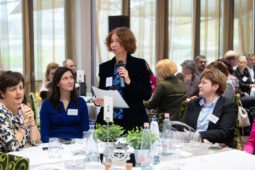
In the conclusion to the summit, during a collaborative session, participants shared their thoughts on the challenges and opportunities they encounter in their companies during the transition to circular operations. This was followed by an opportunity for informal networking and lunch.
The moderators of each table were: Gábor Arató – Manupackaging International Kft.; Zsombor Barta – Greenbors Consulting; Dr. Viktória Bodnár – IFUA Horváth & Partners Kft.; Dr. Bálint Bartha-Horváth – CBRE; Péter Chrabák – Bay Zoltán Research Center; Brigitta Deák – Greenpro Zrt.; László Ürge – DBH Group; Róbert Üveg – Danucem Magyarország Kft. – CRH CEE Division, Dr. Marina Varga – Embassy of the Kingdom of the Netherlands.
 |  |  |
The main event sponsor of the Circular Economy Summit is ING
The main sponsor of the Circular Economy Platform in 2025 is Szentkirályi
The highlighted sponsor is McDonald’s (Progress).
The supporter of BCSDH’s carbon-conscious events is Ayvens.












 Transitioning to a circular economy is a great business opportunity today. The core of the concept is not yet deeply understood by most companies, although the use of this model can increase the resilience of the world economy and facilitate the achievement of the Paris Climate Change Agreement and the United Nations Sustainable Development Goals. The circular economy could generate business opportunities worth $4.5 billion worldwide by 2030.
 „The extraordinary challenges, the uncertainty, have put significant pressure on leaders to make immediate, short-term decisions that help deal with the pandemic. However, it is critical that such short-term measures and the post-pandemic economic crisis do not overshadow the need to deal with issues such as climate change or sustainability, and that critical long-term decisions on which our future depends are taken as soon as possible.” – highlighted Attila Chikán Jr, president of BCSDH. „The pandemic has shown that we are able to have an impact on climate change, but also that this can only be achieved at the cost of significant sacrifice. Initiatives such as the UN’s Race to Zero program designed to foster climate neutrality, and the European Green New Deal are of vital importance. One very essential component of this activity is the transition to a circular economy. The business sector is playing a key role in these initiatives: it is thus time to take action.” – he added.
 „Circular economic goals can only be achieved with the active participation of the actors involved. In order to generate interest, we need to create conditions that help economic actors to embark on this new path to become interested in learning and applying the new approach. The Ministry of Innovation and Technology, as a founding member of the Circular Economy Platform, aims to better understand the interests of economic actors when transposing legislation setting circular economic objectives.” – highlighted Ferenc Hizó, deputy state secretary, Ministry for Innovation and Technology in his speech. „The vision of our medium-term National Waste Management Strategy, which is currently being prepared, is to make the Hungarian waste management sector one of the exemplary models of the circular economy in Europe. The measures we are planning aim to develop a waste management infrastructure that ensures the efficient use of state resources and increases the competitiveness of the waste management sector. This can benefit all actors in the sector and is expected to have a positive impact on investment in the sector.” – he added.
 The guest speaker at the Circular Economy Summit was Christian van MAAREN, founder of the exemplary Dutch Excess Materials Exchange, which supports the secondary market for wastes and surpluses. In addition to learning about a number of international and domestic examples, including corporate and start-up solutions, the Slovak Circular Platform was introduced to provide an overview of similar processes in the Visegrad countries.
 „The circular economy offers a systemic answer to the climate crisis and as such is an important solution towards limiting global warming as close as possible to 1.5°C. ING as a bank have to value differently, treat risk differently, and finance differently when it comes to the circular economy.” – said Bodor Tibor, Country Manager of ING Wholesale Banking Hungary in his speech, as one of the hosts of the conference.