
In the past weeks, the energy company has introduced all necessary health, operational safety and work safety measures in order to protect the health and safety of all employees and to ensure continuous energy supply as well as the operational safety of power plants operated by ALTEO Group. ALTEO Group has not only taken the necessary measures among its own employees to provide safe and continuous service to its clients, but at the same time it has set the list of subcontractors essential for its operations – there are continuous consultations with them to create safe conditions to carry out contract work.
Among others, ALTEO Group has taken the following measures:
- Cancelled all trips abroad.
- Mandatory “home office” ordered for positions where work can be carried out from home.
- For employees who must go to work and used mass transportation before, can now use their cars and will be reimbursed for related costs by the company.
Additional preventive measures have been taken for power plants and constructions:
- No delivery person, transportation company driver or outside contractor can enter the command rooms of company sites.
- Managers work in weekly shifts at the power plants and each shift is covered by the minimal number of necessary employees.
- Hand sanitizer, disposable rubber gloves are available at each site, and twice a day sites are cleaned by chemicals specified in regulations. Wearing face masks is mandatory for subcontractors working at the sites and for site employees.
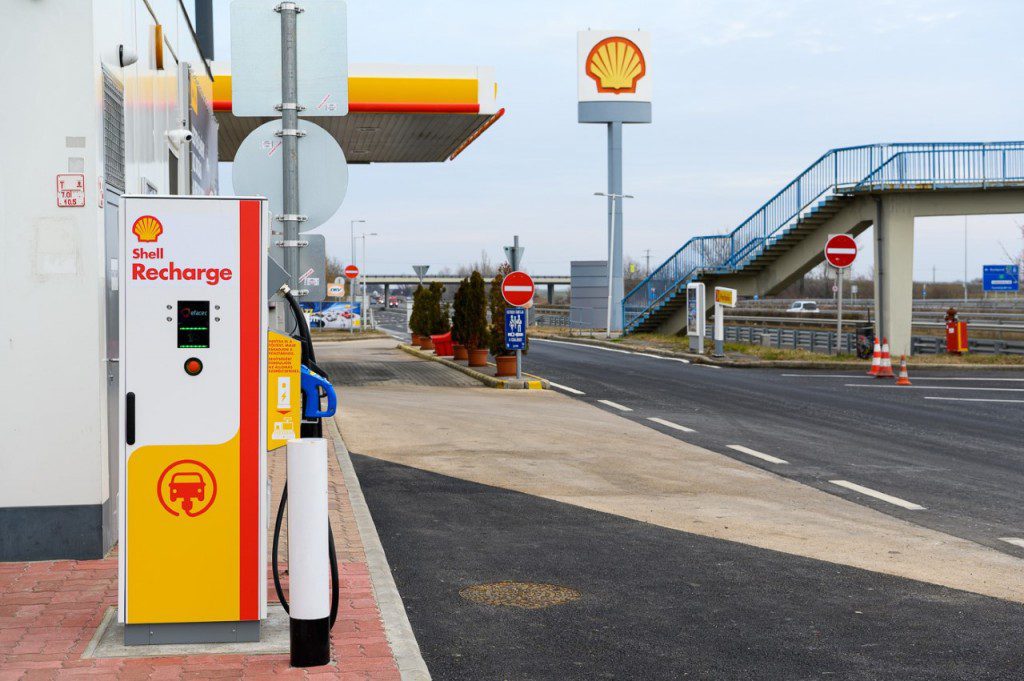
 to serve its numerous tenants. Our express goal was to reduce take-out food orders while motivating diners for short open air walks in the Park and to provide a wide variety of freshly prepares meals. At the same time significant reduction of waste is achieved, way less plastic and paper are wasted and less leftovers are generated.
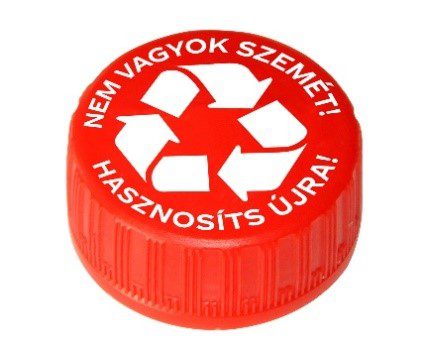 One of the aims of Coca-Cola’s global Zero Waste World strategy is to collect as many plastic bottles and aluminium cans by 2030 as the amount sold. To advocate selective garbage collection, the company launches a national
  2050. Daikin’s business partners were also introduced to a range of new products and initiatives including the high efficiency, low GWP Daikin mini VRV 5 and the pioneering L∞P by Daikin scheme which reuses refrigerant for new VRV systems.
 market solutions that reduce the CO2 footprint of our customers. The key visual representing the VRV Summit consists of three leaves, which together highlight the three most important fields of action: innovation, circular economy and smart control.” – explained Bernard Dehertogh, head of commercial DX products at Daikin Europe.