• Facebook
  • LinkedIn
  • Mail
  • Magyar Magyar Hungarian hu
  • English English English en
BCSDH
  • About us
    • Mission
      • Vision 2050
      • Management Guidelines
    • Organization
    • Partners
  • Our members
    • Membership
    • List of our members
    • Become a member
  • News
    • Our news
    • Member news
  • Our activities
    • 1. oszlop
      • Time to transform 2030
      • Race to Zero
      • Circular Economy Platform
      • ESG
      • Working groups
    • Future Leaders Program
      • Scholarship
    • For a Sustainable Future Award
    • International projects
      • ERASMUS+ DEDYCATING
      • ISSUE
      • Circular Regions
    • Archive
      • Action 2020
  • Events
    • Events calendar
    • Gallery
  • Resources
    • Business solutions
  • Circular Economy Hotspot 2026
  • Menu Menu
  • About us
    • Mission
      • Vision 2050
      • Management Guidelines
    • Organization
    • Partners
  • Our members
    • Membership
    • List of our members
    • Become a member
  • News
    • Our news
    • Member news
  • For a Sustainable Future Award
  • Our activities
    • Time to transform 2030
    • Race to Zero
    • Circular Economy Platform
    • ESG
    • Working groups
    • Future Leaders Program
      • Scholarship
    • International projects
      • ISSUE
      • Circular Regions
    • Archive
      • Action 2020
  • Resources
    • Business solutions
  • Events
    • Events calendar
    • Gallery
  • Circular Economy Hotspot 2026
You are here: Home1 / News2 / News

Canadian Chamber of Commerce hosts to highlight the urgency of feeding 8 billion people. Hungary in an exceptional position

News

Hungarian agriculture has an opportunity to attract massive inward investment to take advantage of the growing need for alternative and sustainable food across Europe. Consumer interest in sustainable food is growing rapidly, as is the cost of traditional food sources. Technologies harnessing plant-based protein are positioning themselves nearest the sources of raw materials. Infrastructure to support this growth is also critical – as are the inputs, such as corn, barley, and water and skilled labour.

Investors see opportunities not only in new businesses coming online in the wake of growing demand, but also anticipate opportunities stemming from rapidly unfolding environmental challenges facing our communities.

A major shift in consumer behavior across the global market has sparked a growing interest in alternative food sources, such as plant-based and microbial-based proteins. Also, a growing number of people are turning to more environment-friendly products. The demand for alternative proteins is mainly fueled by the perception that these proteins are healthier and more environmentally friendly than animal-derived proteins.

The global trend in food industries is to develop food products using alternative ingredients that provide superior sensory appeal and nutritional and health benefits. As a result, there has been an increased global demand for alternative proteins. In addition, factors including the potential of insect, microbial, and plant proteins, and the increasing inclination towards vegan diet are expected to provide significant growth opportunities for alternative food ingredient manufacturers.

Developing new food and drink products is a complex process – requiring knowledge of ingredients, processing techniques, packaging materials, legislation and consumer demands and preferences. In a constantly evolving environment, technology and strategies play a key role in the resilience of the food industry. From sustainable food production systems to novel ingredients, environmental impact within manufacturing processes to enhancing nutritional quality, and innovation in technology will lead the response to the challenges ahead for the future of the food industry.

“Pannonia Bio is committed to its ongoing alternative protein investments, which are founded on Hungarian GMO-free corn and barley, as well as microbial fermentation. As for our parent, ClonBio Group Limited, since it has operations in both Canada and Hungary, it appreciates that Canada and Hungary are, in similar ways but with important differences, each poised to be major players over the next decade. We believe that there is substantial cross fertilization possible between these two countries in the field of alternative proteins”.- said Ferenc Hodos, Strategic Director of Pannonia-Bio Zrt.

In response to the new market forces and consumer concerns, industry leaders are rolling out a range of products and ingredients using different plant-based proteins (soy, pea, barley), new animal sources (insects), and biotechnological innovations (cultured meat or fungal protein).

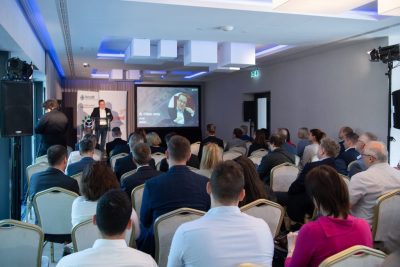
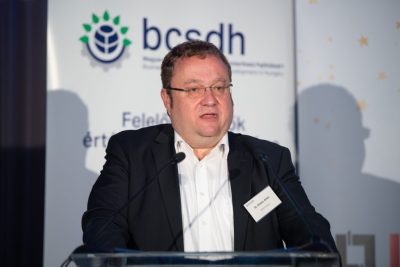
“As consumer interest in alternative food options is increasing globally, food industry players that want to capture the opportunity must understand the evolving market dynamics and where to place their bets. The Food and Water Sustainability Forum will allow everyone to get fully immersed in the alternative protein and broader food technology landscape while providing networking access to key industry players. This event is seeking to attract the attention of investors and technology owners in Europe and Canada with concentrated dialogue on sustainable food and water matters. This is an opportunity for Hungary to show that it is an important stakeholder in this evolving marketplace.” – said Dr. Judit Lovas, the managing director of the CCCH.

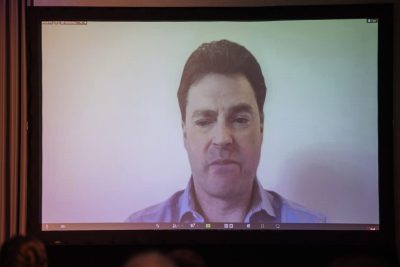
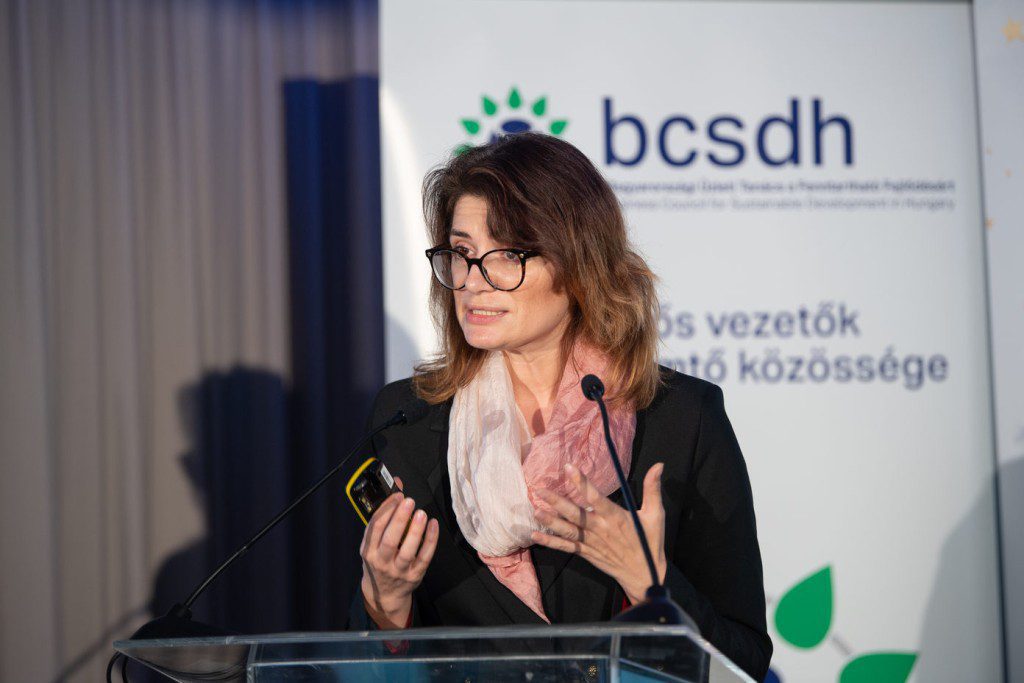
“We are excited to sponsor of the Canadian Chamber’s upcoming Food & Water Sustainability Forum. Food production and water are integrally linked and sustainable agriculture, aquaculture and water reuse are just a few examples. Xylem, as a global water technology company, is uniquely positioned to help solve the world’s water challenges and sustainability is at the core of everything we do. We look forward to collaborating with industry and thought leaders in Hungary and globally to advance our mission.” – said Nicole Springer, Managing Director, Eastern Europe Central, Xylem

The panels of the Business Forum are in the following topics: Health and Nutrition, Sustainable Food Processing Systems, Technology and Innovation in the Food Industry, Sustainable Water. See the details of the event here.

“Hungary has an opportunity to take a leading position on how technologies are funnelled into the future of how we feed our communities around the world. Sustainable food technologies looking to offer new and renewable sources of nutrition will focus on areas where there are natural and renewable resources in agriculture. As an agricultural powerhouse, Hungary is ideally located for this in the centre of Europe and presents a stable and viable environment for businesses that are seeking a strategic position as well as the mature inputs.” – said Nicholas Sarvari – President of the Canadian Chamber of Commerce in Hungary.

“We’re looking for interested company leaders from Hungary and abroad, in the food and water industries and beyond, to join us as we explore new ideas and approaches to being responsible and running sustainable businesses.” – said Dr. Judit Lovas, the managing director of CCCH.

The venue of the conference is the Liz and Chain Bar of the Marriott Hotel on October 4. with its charming roof top terrace and amazing panorama. Tickets are available here.


26.09.2022
https://bcsdh.hu/wp-content/uploads/2022/09/Food-and-Water-Business-Forum.jpg 683 1024 eszter.chikankovacs https://bcsdh.hu/wp-content/uploads/2021/12/bcsdh-logo.png eszter.chikankovacs2022-09-26 17:17:132022-10-21 16:34:44Canadian Chamber of Commerce hosts to highlight the urgency of feeding 8 billion people. Hungary in an exceptional position

Self-driving, ABS, sustainable mobility – BCSDH weekend as a guest of Continental Automotive Hungary Kft

News

BCSDH’s weekend provided an exciting program for the 13 senior executives and their partners involved on 27-28 May.

Both days were hosted by the Veszprém factory of Continental Automotive Hungary Kft. As part of the first half-day program, we gained insight into the development, production and testing activities of the Veszprém company with the help of Zoltán Dapsy, plant manager, and Zoltán Hornyacsek, Continental’s sustainability sponsor.


Csaba Livják, the founder-owner of BuildEXT, spoke about the use of building information systems and the hi-tech tools of digitalisation in the construction of the Continental factory and the process of factory construction.

The next morning on the test track, we were also able to experience how the developments to promote safe and sustainable mobility that we learned the day before work in practice.

It made the experience unforgettable when participants sat down next to the test drivers to experience the same for themselves.

The two-day program ended with a pleasant lunch on the test track. We thank the host Continental and their leaders for their comprehensive professional program and hospitality.

01.06.2022
https://bcsdh.hu/wp-content/uploads/2022/06/1653989734284.jpg 683 1024 eszter.chikankovacs https://bcsdh.hu/wp-content/uploads/2021/12/bcsdh-logo.png eszter.chikankovacs2022-06-01 09:51:432022-06-01 09:51:43Self-driving, ABS, sustainable mobility – BCSDH weekend as a guest of Continental Automotive Hungary Kft

It’s a life-and-death fight to save the Earth – Mark Maslin at the BCSDH Business Breakfast

News

Climate change is now a matter of fact. Numerous pieces of data support the claim that human impact is having an unquestionable impact on this negative process. However, we have the tools, and we have the opportunity to reverse these effects – we just need to prepare for this serious fight. Prof. Mark Maslin pointed this out at the BCSDH Business Breakfast and Forum on May 10, focusing on the now-launched Time to Transform 2030 program, which aims for system-wide change.

Mark Maslin, FRGS, FRSA, and professor of Earth Systems Science at the University College of London, as well as the author of 2021’s How to Save Our Planet: The Facts, called for action and was guaranteed to equip everyone with the knowledge they need to change at the Business Breakfast and Time to Transform 2030 Forum of the Hungarian Business Council for Sustainable Development (BCSDH).

It is time to face the facts and realize that the relevant knowledge and technology are already in our hands and that companies must play a leading role. The business breakfast of BCSDH, with its 120 member companies that account for 30% of Hungary’s GDP, was followed by a workshop with the participation of CEOs and experts to identify domestic goals, opportunities, and challenges in the key areas of the now-debuting Time to Transform 2030 program.

In his introductory remarks, Attila Chikán Jr., President of BCSDH, emphasized: “Now is the time to act. The pace and extent of change so far is less than expected. We still have a tight time window for the fundamental and immediate transformation of our systems, with companies playing a leading role. Science has made it clear what needs to be done; economic actors need to take the necessary steps to do it. Transformation requires a change of approach that fundamentally changes the way business leaders view the short and long term. That’s what our Time to Transform 2030 program is all about.”

The world is facing three critical challenges: a climate emergency, the loss of natural diversity, and growing social inequality. The global average temperature is already around 1.2°C above pre-industrial levels, 68% of wildlife has already been lost, the richest 1% of society own 44% of global wealth, and the poorest 50% barely 2%.

“Climate data is disappointing, but no matter how bad the environment is, [the situation] can be reversed and we have all the tools at hand. These changes must start from bringing individuals together. Small deeds, when multiplied by millions of people, can change the world. But it is a life-and-death struggle for our planet with ourselves for ourselves. Individuals, governments and companies need to work together. In addition to accelerating the process by innovating and transforming their own activities, businesses need to help change individuals, change consumer habits, [and] help them to play a role in the fight against climate change, to support local communities, and create platforms” Professor Mark Maslin explained.

The guest of surprise at the event was Maryna Saprykina, managing director of CSR Ukraine, who presented concrete ways in which domestic companies can help them in the current situation.

According to preliminary data from the ongoing BCSDH Corporate Maturity Survey, the respondent organizations intend to increase their commitment to net-zero greenhouse gas emissions and biodiversity by 2025. At the same time, for most of them sustainability indicators are incorporated into management to a lesser extent than the development of this vision – i.e., economic considerations still often override sustainability needs.

“It’s time to do more than just talk about sustainability, carbon neutrality. This is our last chance not to have to suffer the harshest effects of climate change. It is not easy for a company to operate profitably and sustainably at the same time. In the short run, these solutions may be more expensive, but in the long run, these transformations will make companies more resilient and competitive. The goal is to preserve the Earth for future generations, and that can only be succeed together, bringing together consumers, business leaders and government decision-makers. ”– Added László Károlyi, CEO of Legrand Zrt., Host of the event.

“The goals of our vision are still achievable. But the next eight years are critical, and every single day counts. This decade of BCSDH is defined by the Time to Transform 2030 program, which builds on the results of Action 2020. The three key elements of the program are the nine Paths and the Action Plan to 2050, the high level of commitment of our members, and the maximum transparency that embraces them” – said Irén Márta, Managing Director of BCSDH, when presenting the new program.

The business breakfast was followed by the Time to Transform 2030 Professional Forum, the primary aim of which is to initiate joint thinking and define the domestic goals associated with the nine paths of the new program.

*****

Prof. Mark Maslin, FRGS, FRSA.

Mark Maslin FRGS, FRSA, is a Professor of Earth System Science at UCL. He is the Director of Rezatec Limited, Founding Director of the London NERC Doctoral Training Partnership, a member of the Cheltenham Science Festival Advisory Board, a CSR Board member of Sopra-Steria, NetZeroNow and Sheep Included Ltd. and a member of the Climate Crisis Advisory Group.

Maslin is a leading scientist with a particular interest in understanding climate change and the major challenges facing humanity in the 21st century. He has published over 180 papers in journals such as Science, Nature, and The Lancet. He was the climatologist on the original 2009 The Lancet report on climate change and global health and has been one of the authors of the annual Lancet Countdown reports since 2015.  

Mark has written 10 books and over 60 popular articles (e.g., for New Scientist, Independent, Guardian, Telegraph, New York Times and The Conversation). His latest book is How to save our planet: the facts (Penguin, 2021). 

Mark also co-founded Rezatec Ltd. in 2012, which employs 50 staff, and is now one of the world’s leading geospatial analytics companies, providing AI “big data” solutions to environmental issues for companies, NGOs, and local and national governments. Mark is also the UNFCCC-designated point of contact and COP26 lead for UCL.

10.05.2022
https://bcsdh.hu/wp-content/uploads/2022/05/DSC_5459.jpg 683 1024 eszter.chikankovacs https://bcsdh.hu/wp-content/uploads/2021/12/bcsdh-logo.png eszter.chikankovacs2022-05-10 22:40:182023-02-27 00:35:33It’s a life-and-death fight to save the Earth – Mark Maslin at the BCSDH Business Breakfast

The evidence is clear: the time for action is now. We can halve emissions by 2030.

News

GENEVA, Apr 4 – In 2010-2019 average annual global greenhouse gas emissions were at their highest levels in human history, but the rate of growth has slowed. Without immediate and deep emissions reductions across all sectors, limiting global warming to 1.5°C is beyond reach. However, there is increasing evidence of climate action, said scientists in the latest Intergovernmental Panel on Climate Change (IPCC) report released today.

Since 2010, there have been sustained decreases of up to 85% in the costs of solar and wind energy, and batteries. An increasing range of policies and laws have enhanced energy efficiency, reduced rates of deforestation and accelerated the deployment of renewable energy.

“We are at a crossroads. The decisions we make now can secure a liveable future. We have the tools and know-how required to limit warming,” said IPCC Chair Hoesung Lee.  “I am encouraged by climate action being taken in many countries. There are policies, regulations and market instruments that are proving effective.  If these are scaled up and applied more widely and equitably, they can support deep emissions reductions and stimulate innovation.”

The Summary for Policymakers of the IPCC Working Group III report, Climate Change 2022: Mitigation of climate change was approved on April 4 2022, by 195 member governments of the IPCC, through a virtual approval session that started on March 21. It is the third instalment of the IPCC’s Sixth Assessment Report (AR6), which will be completed this year.

We have options in all sectors to at least halve emissions by 2030

Limiting global warming will require major transitions in the energy sector. This will involve a substantial reduction in fossil fuel use, widespread electrification, improved energy efficiency, and use of alternative fuels (such as hydrogen).

“Having the right policies, infrastructure and technology in place to enable changes to our lifestyles and behaviour can result in a 40-70% reduction in greenhouse gas emissions by 2050. This offers significant untapped potential,” said IPCC Working Group III Co-Chair Priyadarshi Shukla. “The evidence also shows that these lifestyle changes can improve our health and wellbeing.”

Cities and other urban areas also offer significant opportunities for emissions reductions.  These can be achieved through lower energy consumption (such as by creating compact, walkable cities), electrification of transport in combination with low-emission energy sources, and enhanced carbon uptake and storage using nature. There are options for established, rapidly growing and new cities.

“We see examples of zero energy or zero-carbon buildings in almost all climates,” said IPCC Working Group III Co-Chair Jim Skea. “Action in this decade is critical to capture the mitigation potential of buildings.”

Reducing emissions in industry will involve using materials more efficiently, reusing and recycling products and minimising waste. For basic materials, including steel, building materials and chemicals, low- to zero-greenhouse gas production processes are at their pilot to near-commercial stage.

This sector accounts for about a quarter of global emissions. Achieving net zero will be challenging and will require new production processes, low and zero emissions electricity, hydrogen, and, where necessary, carbon capture and storage.

Agriculture, forestry, and other land use can provide large-scale emissions reductions and also remove and store carbon dioxide at scale. However, land cannot compensate for delayed emissions reductions in other sectors.  Response options can benefit biodiversity, help us adapt to climate change, and secure livelihoods, food and water, and wood supplies.

The next few years are critical

In the scenarios we assessed, limiting warming to around 1.5°C (2.7°F) requires global greenhouse gas emissions to peak before 2025 at the latest, and be reduced by 43% by 2030; at the same time, methane would also need to be reduced by about a third. Even if we do this, it is almost inevitable that we will temporarily exceed this temperature threshold but could return to below it by the end of the century.

“It’s now or never, if we want to limit global warming to 1.5°C (2.7°F),” said Skea. “Without immediate and deep emissions reductions across all sectors, it will be impossible.”

The global temperature will stabilise when carbon dioxide emissions reach net zero. For 1.5°C (2.7°F), this means achieving net zero carbon dioxide emissions globally in the early 2050s; for 2°C (3.6°F), it is in the early 2070s.

This assessment shows that limiting warming to around 2°C (3.6°F) still requires global greenhouse gas emissions to peak before 2025 at the latest, and be reduced by a quarter by 2030.

Closing investment gaps

The report looks beyond technologies and demonstrates that while financial flows are a factor of three to six times lower than levels needed by 2030 to limit warming to below 2°C (3.6°F), there is sufficient global capital and liquidity to close investment gaps. However, it relies on clear signalling from governments and the international community, including a stronger alignment of public sector finance and policy.

“Without taking into account the economic benefits of reduced adaptation costs or avoided climate impacts, global Gross Domestic Product (GDP) would be just a few percentage points lower in 2050 if we take the actions necessary to limit warming to 2°C (3.6°F) or below, compared to maintaining current policies,” said Shukla.

Achieving the Sustainable Development Goals

Accelerated and equitable climate action in mitigating and adapting to climate change impacts is critical to sustainable development.  Some response options can absorb and store carbon and, at the same time, help communities limit the impacts associated with climate change. For example, in cities, networks of parks and open spaces, wetlands and urban agriculture can reduce flood risk and reduce heat-island effects.

Mitigation in industry can reduce environmental impacts and increase employment and business opportunities. Electrification with renewables and shifts in public transport can enhance health, employment, and equity.

“Climate change is the result of more than a century of unsustainable energy and land use, lifestyles and patterns of consumption and production,” said Skea. “This report shows how taking action now can move us towards a fairer, more sustainable world.”

06.04.2022
https://bcsdh.hu/wp-content/uploads/2022/04/IPCC-3-WG-1-1.png 586 1024 eszter.chikankovacs https://bcsdh.hu/wp-content/uploads/2021/12/bcsdh-logo.png eszter.chikankovacs2022-04-06 22:31:302023-02-27 00:38:26The evidence is clear: the time for action is now. We can halve emissions by 2030.

How and why to measure the circularity of your company?

News
The final event of the cross-border CircularRegions project (Cross-border capacity building for developing circular regions) was held on 22 March via Zoom with the participation of 100 experts, company, and NGO representatives of the Circular Economy Platforms of Slovakia and Hungary. For the circular economy to become a common practice in every business, we must show entrepreneurs the way and guide them through the first steps to successful transformation.  The goal of the project was to develop an advisory service in the transition to a circular economy for small and medium-sized enterprises, to train consultants and to establish cooperation between organizations that are members of the circular economy platforms in Hungary and Slovakia, thus accelerating the transition to a circular economy in cross-border regions. This increases efficiency for entrepreneurs, brings a more stable business and a competitive advantage.

To highlight on the importance of circularity in solving climate change, we invited Vojtech Vosecky, the Associate of Circle Economy to the event. He talked about the global challenges we are facing, and showed the participants, that from the 100,6 Gt resources entering the global economy we only cycle 8,6 % of them back to the system. This is the so-called Circularity Gap level of the world, which was reported in the Circularity Gap Report 2022.

He highlighted that the solutions across housing, mobility and nutrition could deliver 70% of the required emissions cut, and a global agenda packed with circular economy strategies can close the emissions gap and bring us on a “well below 2 degrees” pathway. After the keynote speech, the project partners introduced the results of the project.

Denisa Rasova from Slovak Business Agency introduced the project itself.

Bence Janek, from IFKA has shown the results of the Mapping of the Region, which focuses on the SK-HU border regions, collects more specific information about the potential to close the material loops in the region, identify the type of companies in the selected sectors, the key stakeholders and their knowledge about circular economy and collects existing good practices.

The biggest common challenges were the following: The news about circular economy is becoming more widespread, but corporate practice still follows linear economic model; There is a lack of consumer awareness and specialists and expertise; There are deficiencies in regulatory and incentive systems. After that he presented the sector-specific recommendations, which the mapping carried out before.

Martina Velika from INCIEN introduced the developed service, the Circularity Check Tool to the participants. This tool contains 60 questions and 5 indicators, specializing in a product/service. Its advantage is that by answering the questions, it not only assesses the circularity level of the company’s product or service, but also shows for the company development opportunities. The developed project materials are all available by clicking on this link:

1/ Training manual which includes all that was covered during the workshops, including an overview of the CCH questions and guiding notes on their interpretation.

2/ Introductory consultation checklist

4/ Circularity Check questions translated to SK and HU (in Excel sheet)

5/ Circularity Check report template

6/ Training videos

But what were the general experience of the experts with the Circularity Check Assessment? To answear that question we organized a panel discussion with experts from both counties, with the moderation of Bálint Horváth from the Embassy of the Kingdom of the Netherlands in Hungary, who himself has also participated in the project as a consultant. The main findings were that using the tool was a great learning for companies and experts as well, and that the tool is not applicable for all sectors, because in the case of tourism and services it was difficult to define the scope of the assessment.

Ivett Takács from BCSDH summarized the steps of the project and talked about the piloting phase of the project. She presented the companies, who were participating in the testing. In Slovakia, 5 experts worked with 4 companies: two companies from the tourism (Patty Ski and the Penzion Harmonia), 1 construction company (Slovizol) and 1 company from the plastic industry (Novoplast). From the Hungarian side, 7 experts worked with 7 companies. 2 companies operate in the construction industry (Cube Factory, Corten Kft.), 2 companies operate in the food and packaging (NaturFood, BioFungi), 1 plastic company (Ugrinpack) and 2 companies from the tourism sector (Novotel Hotel Budapest, Irota Ecolodge). She also summarized the process of the piloting and showed the participants the output of the piloting: the report with the company-specific recommendations.

Irén Márta from BCSDH continued with the main findings of the project. She talked about the results of the two experience sharing consultation with experts, which were held last week in order to get to know the feedback of them about the piloting process. She highlighted on some possible development suggestions of the Circularity Check service and also emphasised the importance of the assessment itself as starting point for improvement.

At the end of the event, Andrej Spanik from Slovak Business Agency talked about the sustainability of the project both in Hungary and Slovakia.


***

The project partners are the Slovak Business Agency, the Institute of Circular Economy, the Business Council for Sustainable Development in Hungary and IFKA Közhasznú Nonprofit Kft. The project is implemented under the Interreg Slovak Republic – Hungary program with the support of the European Union through the European Regional Development Fund and supported by the amount of 155 081,99 euros. The project lasts from December 2020 to March 2022.

More information:  www.skhu.eu |  Facebook |  LinkedIn

23.03.2022
https://bcsdh.hu/wp-content/uploads/2022/03/montazs-1.png 576 1024 Takacs Ivett https://bcsdh.hu/wp-content/uploads/2021/12/bcsdh-logo.png Takacs Ivett2022-03-23 15:59:012023-02-27 00:40:02How and why to measure the circularity of your company?

Climate change: a threat to human wellbeing and health of the planet – Taking action now can secure our future – IPCC Working Group II report

News

BERLIN, Feb 28 – Human-induced climate change is causing dangerous and widespread disruption in nature and affecting the lives of billions of people around the world, despite efforts to reduce the risks. People and ecosystems least able to cope are being hardest hit, said scientists in the latest Intergovernmental Panel on Climate Change (IPCC) report, released today.

“This report is a dire warning about the consequences of inaction,” said Hoesung Lee, Chair of the IPCC. “It shows that climate change is a grave and mounting threat to our wellbeing and a healthy planet. Our actions today will shape how people adapt and nature responds to increasing climate risks.”

The world faces unavoidable multiple climate hazards over the next two decades with global warming of 1.5°C (2.7°F). Even temporarily exceeding this warming level will result in additional severe impacts, some of which will be irreversible. Risks for society will increase, including to infrastructure and low-lying coastal settlements.

The Summary for Policymakers of the IPCC Working Group II report, Climate Change 2022: Impacts, Adaptation and Vulnerability was approved on Sunday, February 27 2022, by 195 member governments of the IPCC, through a virtual approval session that was held over two weeks starting on February 14.


Urgent action required to deal with increasing risks

Increased heatwaves, droughts and floods are already exceeding plants’ and animals’ tolerance thresholds, driving mass mortalities in species such as trees and corals. These weather extremes are occurring simultaneously, causing cascading impacts that are increasingly difficult to manage. They have exposed millions of people to acute food and water insecurity, especially in Africa, Asia, Central and South America, on Small Islands and in the Arctic.

To avoid mounting loss of life, biodiversity and infrastructure, ambitious, accelerated action is required to adapt to climate change, at the same time as making rapid, deep cuts in greenhouse gas emissions. So far, progress on adaptation is uneven and there are increasing gaps between action taken and what is needed to deal with the increasing risks, the new report finds. These gaps are largest among lower-income populations.

The Working Group II report is the second instalment of the IPCC’s Sixth Assessment Report (AR6), which will be completed this year.

“This report recognizes the interdependence of climate, biodiversity and people and integrates natural, social and economic sciences more strongly than earlier IPCC assessments,” said Hoesung Lee. “It emphasizes the urgency of immediate and more ambitious action to address climate risks. Half measures are no longer an option.”

Safeguarding and strengthening nature is key to securing a liveable future

There are options to adapt to a changing climate. This report provides new insights into nature’s potential not only to reduce climate risks but also to improve people’s lives.

“Healthy ecosystems are more resilient to climate change and provide life-critical services such as food and clean water”, said IPCC Working Group II Co-Chair Hans-Otto Pörtner. “By restoring degraded ecosystems and effectively and equitably conserving 30 to 50 per cent of Earth’s land, freshwater and ocean habitats, society can benefit from nature’s capacity to absorb and store carbon, and we can accelerate progress towards sustainable development, but adequate finance and political support are essential.”

Scientists point out that climate change interacts with global trends such as unsustainable use of natural resources, growing urbanization, social inequalities, losses and damages from extreme events and a pandemic, jeopardizing future development.

“Our assessment clearly shows that tackling all these different challenges involves everyone – governments, the private sector, civil society – working together to prioritize risk reduction, as well as equity and justice, in decision-making and investment,” said IPCC Working Group II Co-Chair Debra Roberts.

“In this way, different interests, values and world views can be reconciled. By bringing together scientific and technological know-how as well as Indigenous and local knowledge, solutions will be more effective. Failure to achieve climate resilient and sustainable development will result in a sub-optimal future for people and nature.”

Cities: Hotspots of impacts and risks, but also a crucial part of the solution

This report provides a detailed assessment of climate change impacts, risks and adaptation in cities, where more than half the world’s population lives. People’s health, lives and livelihoods, as well as property and critical infrastructure, including energy and transportation systems, are being increasingly adversely affected by hazards from heatwaves, storms, drought and flooding as well as slow-onset changes, including sea level rise.

“Together, growing urbanization and climate change create complex risks, especially for those cities that already experience poorly planned urban growth, high levels of poverty and unemployment, and a lack of basic services,” Debra Roberts said.

“But cities also provide opportunities for climate action – green buildings, reliable supplies of clean water and renewable energy, and sustainable transport systems that connect urban and rural areas can all lead to a more inclusive, fairer society.”

There is increasing evidence of adaptation that has caused unintended consequences, for example destroying nature, putting peoples’ lives at risk or increasing greenhouse gas emissions. This can be avoided by involving everyone in planning, attention to equity and justice, and drawing on Indigenous and local knowledge.

A narrowing window for action

Climate change is a global challenge that requires local solutions and that’s why the Working Group II contribution to the IPCC’s Sixth Assessment Report (AR6) provides extensive regional information to enable Climate Resilient Development.

The report clearly states Climate Resilient Development is already challenging at current warming levels. It will become more limited if global warming exceeds 1.5°C (2.7°F). In some regions it will be impossible if global warming exceeds 2°C (3.6°F). This key finding underlines the urgency for climate action, focusing on equity and justice. Adequate funding, technology transfer, political commitment and partnership lead to more effective climate change adaptation and emissions reductions.

“The scientific evidence is unequivocal: climate change is a threat to human wellbeing and the health of the planet. Any further delay in concerted global action will miss a brief and rapidly closing window to secure a liveable future,” said Hans-Otto Pörtner.

01.03.2022
https://bcsdh.hu/wp-content/uploads/2022/03/ipcc2.png 663 1024 eszter.chikankovacs https://bcsdh.hu/wp-content/uploads/2021/12/bcsdh-logo.png eszter.chikankovacs2022-03-01 23:37:242023-02-27 00:41:14Climate change: a threat to human wellbeing and health of the planet – Taking action now can secure our future – IPCC Working Group II report

Attila Chikán Jr. re-elected as BCSDH president

News

Budapest, February 22, 2022 – The Electing General Assembly of the Business Council for Sustainable Development in Hungary (BCSDH) has elected a Board for another three-year term. During the six-year presidency of Attila Chikán Jr., 50 new companies joined the organization, which now brings together 115 companies producing 30% of Hungary’s GDP and has become a benchmark in the field of sustainability. The re-elected President will be supported by a four-member board, whose re-elected members are Zsolt Jamniczky, Vice-president of E.ON Hungária, Dr. Ágnes Fábián, Managing Director of Henkel Hungary, Zoltán Gazsi, Managing Director of Eisberg Hungary, and Gréta Nagy, Managing Director of Dandelion Ltd. The management of BCSDH will remain in the hands of Irén Márta.


The re-elected Members of the Supervisory Board are Orsolya Pallaghy, Dr. Orsolya Fazekas, and János Kocsányi, CEO of Graphisoft Park SE. The mandate of the President, the Executive Board and the Supervisory Board is for three years.

‘I believe that the organization is on the right path and our business is becoming more effective each and every year’ – started the evaluation of the last three years by Attila Chikán Jr., President of BCSDH – ‘The awareness and recognition of the organization both to governmental stakeholders and to a wider audience has grown significantly in recent years due to our professional activities and their successful communication’.

Nothing proves the success of BCSDH’s efforts to introduce more and more companies to the essence and content of sustainable development than the fact that the association now has 115 members. In recent years, the 340 professional events, 220 active corporate leaders, 250 talented young people in the ‘Future Leaders’ program, more than 280 civil, scientific and corporate experts involved in the Action 2020 Hungary Program, and 140 business practices presented so far that provide real answers to sustainability challenges demonstrate the BCSDH’s commitment to sustainability.

Last year, the Circular Economy Platform, which was set up at the initiative of the BCSDH, the Dutch Embassy and the Ministry of Innovation and Technology, already had 94 members. The initiative aims to foster the circular transition through collaboration and knowledge sharing.

Further, for the sixth time this year, the For a Sustainable Future Award, launched in 2017, recognizes outstanding corporate, managerial and personal achievements in the field of sustainability, complemented by the Social Responsibility category launched in response to the pandemic.

One of the greatest achievements of recent years has been the establishment of the Net Zero Advisory Board, established in January 2021, which brings together key players committed to cross-sectoral regulatory, scientific and business sustainability. The primary goal of this cooperation is to facilitate and accelerate the process by which the Hungarian economy can become carbon neutral by 2050.

‘As for the future, we want to continue and develop all these activities with the usual determination in the coming years. We have a number of tasks ahead of us and we need to continue developing the action and programs that are planned by 2030’ – Attila Chikán Jr. highlighted as the most important tasks. – ‘It’s time to turn words and commitments into action. We must strive to further strengthen the leadership of the BCSDH as the voice of a responsible and active business community. We will continue to support our member companies in achieving their scientifically based, ambitious sustainability goals. Working with them, our shared goal is to deliver measurable results by the end of 2030 through our recently launched Time to Transform 2030 program’ – added the re-elected president about his professional program.


***


The new leadership of the Business Council for Sustainable Development in Hungary


Attila Chikán Jr. – President
CEO
ALTEO Plc.

Mr. Chikán has a degree in economics and more than a decade of professional and leadership experience in the field of energy. The ALTEO Group, led by Mr. Chikán since its establishment, has become one of the sector’s most important actors. The company’s core businesses are smart energy management services for industrial firms and renewable energy production. ALTEO has issued stocks on the Budapest Stock Exchange since 2010 and was recently listed in the Prime Equities category. The company is one of the leading domestic representatives of an impact investment strategy aimed at making profitable, sustainable and socially responsible investment.

Chikán Attila Jr. is committed to the principles of sustainability: he runs his own blog under the name Chikansplanet. He is also actively participating in BCSDH’s professional work and has served as the president of BCSDH since 2016.


Dr. Ágnes Fábián
CEO
Henkel Magyarország Kft.
Adhesives Technologies business unit executive

A member of Henkel Magyarország Kft’s team since 1996, Dr. Ágnes Fábián became a business unit executive at Henkel Adhesive Technologies by moving up through the company hierarchy and spending nine years in an international environment, besides which she has also been CEO of Henkel Magyarország since 2011. Dr. Fábián began her career in 1990 in Biogal Gyógyszergyár Hélia’s cosmetics sales division. Later, she worked as regional sales manager at Maybeline’s and Loctite Magyarország when Henkel acquired the company. Her aim is to make even more leaders realize that sustainability and value creation for customers are inevitably components of good performance. Operating sustainably is now a requirement that cannot and should not evaded.


Zoltán Gazsi
Managing Director
Eisberg Hungary Kft. 

Managing Director of Eisberg since 2007. After graduating from the University of Agricultural Sciences in Gödöllő, Zoltán worked for the National Institute for Agricultural Quality Control, followed by 14 years of working in a multinational environment at Syngenta. After leading the Experimental Station at Ócsa, he had various marketing- and project-coordinator jobs in increasingly large fields of operation, including on almost all continents. He believes that the good examples seen at companies have an impact on the families of employees and on the direct and indirect environment of the company, and that these impacts are inevitably the start of significant changes at the level of society.


Zsolt Jamniczky
Vice-President,
E.ON Hungária Zrt.

E.ON Hungária Group’s Director for Central Affairs since 2007 and Deputy CEO of the company since 2010. After completing his studies, Mr. Jamniczky served as an adviser in the Foreign Relations Office of the Hungarian National Assembly. In 1996 he was appointed Director for Corporate Affairs at Reemtsma Hungary, a Debrecen-based tobacco company. This was followed by the Director for Corporate Affairs position at Philip Morris Hungary until 2005, while between 2006 and 2007 Mr. Jamniczky was Philip Morris International’s Director of EU Government Relations at the company’s Brussels office. He studied at the Budapest University of Economics and the Eötvös Loránd University of Sciences. Mr. Jamniczky’s main fields of interest include corporate sustainability and corporate social responsibility in a constantly changing economic and social environment, and innovation in the energy sector.

Zsolt Jamniczky was awarded the Knight’s Cross of the Order of Merit by the President of Hungary in 2016.


Gréta Nagy
Managing Director
DANDELION Kft.

Founder and Managing Director of Dandelion Kft. since 2006.

Gréta graduated as an environmental engineer from the Széchenyi István University, and also from an Environmental Management Engineering and Economic Analyst MBA at the Budapest University of Technology and Economics.

She has participated in environmental and process-optimization projects over the last twelve years, and her colleagues have developed innovations such as the methodology for calculating a company’s ecological footprint, as well as the Greenlex software, which is a self-assessment software for regulatory compliance. The company’s latest development is WorksStressMeter, which may be used to measure the stress level of employees and organizations. Gréta has been participating in BCSDH’s work as a consultant.


22.02.2022
https://bcsdh.hu/wp-content/uploads/2022/02/esemeny-resztvevok-2.png 724 1024 eszter.chikankovacs https://bcsdh.hu/wp-content/uploads/2021/12/bcsdh-logo.png eszter.chikankovacs2022-02-22 22:49:282022-04-27 14:49:06Attila Chikán Jr. re-elected as BCSDH president

Let’s change the perspective! – HBLF 2022 Women’s Day Campaign – with support of BCSDH

News

On behalf of the board of HBLF we invite the CEOs of the businesses in Hungary to join the special HBLF International Women’s Day initiative for 2022. We plan to demonstrate alliance and call for action to raise awareness about the topic of female representation in leadership.


Today, only 8% of the top 50 companies (with the highest turnover) in Hungary have female CEOs. In line with the HBLF’s mission, we believe that by working together, we will be stronger and have a greater impact on the necessary changes and give women the opportunity in leadership. Participants are invited to a F2F, outdoor event with 100 CEOs on the 4th March between 7am and 10 am.

REGISTRATION

To shift things around we need to change perspective. We create an interactive installation that shows number 8, but by joint efforts it turns into an infinite sign. The transformation happens when enough participants make a special gesture. That’s why it’s so important to have as many leaders as possible to support the initiative with personal participation. Together, we can show that women also have endless opportunities.

We also invite the CEOs to share their commitment and with this input they can join this initiative, even if they are not available on the 4th March event. The campaign is planned to be displayed online and offline, as well as on social media, with the support of our media partners. The participating CEOs and their commitment is available on HBLF’s website. Hungarian Business Leaders Forum – HBLF Nőnapi kampány

We kindly ask participants to contribute to the cost of the campaign by paying a registration fee. Details are in the registration form.

With our partnership package (attached), we provide valuable opportunity & space for partner organization to appear in the campaign. Please let us know, if you are interested in this.

Please e-mail the photo and company logo to HBLF Secretariat. Eniko Csík is available in case of questions. hblf@hblf.hu Tel: +36305944876

Many thanks for joining this campaign and supporting the cause!

Best regards,


21.02.2022
https://bcsdh.hu/wp-content/uploads/2022/02/HBLF-Noi-felhivas.png 572 1024 eszter.chikankovacs https://bcsdh.hu/wp-content/uploads/2021/12/bcsdh-logo.png eszter.chikankovacs2022-02-21 11:13:492022-04-27 14:49:18Let’s change the perspective! – HBLF 2022 Women’s Day Campaign – with support of BCSDH

The financial sector is ready to finance the net zero transition

News

Budapest, January 26, 2022: 31% of Hungary’s leading companies have already made a commitment to net zero. Significant financial resources are needed to accompany the expected increase in commitments. Is green funding ready to fill the gap? The Business Council for Sustainable Development in Hungary (BCSDH) and the British Embassy held a business forum with the participation of the Net Zero Advisory Board to present the current domestic and European situation of green financing to business actors.


It is important for as many companies as possible to commit to net zero targets, potentially even by joining the UN Race to Zero Campaign, but it is also essential to find the means by which to help them in this process.

“This event helps orientate companies to where they can source funding to decarbonise their operations. I hope it will encourage Hungarian businesses to sign up to the UN’s global Race to Zero Campaign where progressive businesses commit to the Net Zero target by 2050. Not only is this a target driven by government and international commitments and good for the planet, but it makes good business sense too” – said Richard Shackleton, Deputy Head of Mission of the British Embassy in his opening remarks.

The COP26 climate conference in Glasgow was a success in this field and the global financial sector appeared to be ready for action. With the announcement by the Glasgow Financial Alliance for Net Zero (GFANZ) it has become clear that 100+ trillion dollars are potentially available for engaging in climate action. Further, there was the historical launch of the International Sustainability Standards Board (ISSB) – a long-desired global standard-setter for capital market sustainability (ESG) disclosure that will truly prepare the world for the consolidation and standardization of materiality-based reporting on greenhouse gas emissions.

The EU also wants to mobilize its green financial resources.

“Hungary wants to be a net climate-neutral country by 2050, and we have also committed to a 55 percent national reduction by 2030. Companies play a key role in this process, and the domestic financial and consulting sector is also prepared to accelerate the process, for which such forums are essential” – highlighted Attila Chikán Jr., President of the BCSDH, pointing out the long-term positive processes that are just beginning.

“Inevitably, capital market engagement for business will radically change in this decade, and the standardization of ESG disclosure will integrate impacts on natural and social capital into the cost of capital for companies” – he added.

 Csaba Kandrács Dr., Deputy Governor of Hungarian National Bank spoke about “The Hungarian National Bank’s policy in support of sustainable financing in 2022”
Szabolcs Ágostházy Dr., Prime Minister’s Office’s State Secretary for EU Development Projects,  gave a presentation about “EU funds for green investments in the 2021-2027 period”

Ákos Lukács, Head of Sustainability and Climate Change of Deloitte spoke about “Corporate net-zero ambitions matching sustainable finance products”
Gergely Pókos, Director of Green Program Directorate of OTP Bank gave a presentation about “Vision of green banking products in corporate finance practice” 

The BCSDH aims to generate changes in models and business solutions in Hungary that have a real impact on climate change and can generate real responses to domestic challenges due to their take up by other companies. An important step has been the establishment of the Net Zero Advisory Board that has the aim of increasing the focus on economic, governmental, and social factors in the transition to a carbon-neutral economy.

***

Race to Zero

The Race to Zero is the UN-led campaign for a zero-carbon world. Close to 5227 businesses, including the likes of Facebook, Tesco, LafargeHolcim, and Magyar Telekom, and 441 of the biggest investors have joined the global Race to Zero campaign, along with over 1049 cities, 23 regions, and 1039 universities. Businesses of all sizes and across all sectors have a clear role to play in climate action, in line with the Paris Agreement.

Over the coming years, every sector in every market will be transformed as the transition to a low-carbon economy is underway. Committing to the Race to Zero goals of net zero carbon emissions by 2050 is also taking the steps necessary to protect and grow your business by reducing costs, by enhancing access to investor capital, by staying ahead of policies and regulations to limit GHG emissions, by increasing your business’ preparedness to external shocks, and by leading on tomorrow’s innovation and transformation.

27.01.2022
https://bcsdh.hu/wp-content/uploads/2022/01/green-financing1.png 628 1200 eszter.chikankovacs https://bcsdh.hu/wp-content/uploads/2021/12/bcsdh-logo.png eszter.chikankovacs2022-01-27 12:34:422023-02-27 00:45:51The financial sector is ready to finance the net zero transition

Meeting the 1.5°C target cannot be achieved without the circular economy

News

Implementing the strategies for achieving a circular economy would reduce global greenhouse gas emissions by 39%. How to achieve climate goals through the circular transition? – this burning issue was at the heart of the fourth Circular Economic Summit, which was held with the participation of almost 170 people on 25 November 2021.

The world as a whole is a long way from operating as a circular economy. The circular economy involves a number of tools and complex systems and is one of the most effective things we can do to tackle climate change and rebuild biodiversity. The biggest circular event of the year (held with the help of ING Bank) provided a number of corporate and start-up examples of the circular economy and an overview of international processes.

Today, the Circular Economy Platform, which was established at the initiative of the Hungarian Business Council for Sustainable Development (BCSDH), the Dutch Embassy, and the Hungarian Ministry of Innovation and Technology, consists of 94 members. These institutions have highlighted knowledge-sharing, collaboration, and immediate action as the platform’s most important tasks.

Tibor Bodor, CEO Hungary & Head of Wholesale Banking CEE said the following: “we see more and more market-makers emerging in the area of the circular economy. This provides us with a positive view, with the expectation of increasing the speed of sustainable transitions.”

The world is facing three critical challenges: a climate emergency, loss of natural diversity, and growing social inequality. Climate change is not a phenomenon of the future: we are already increasingly experiencing its effects in the form of heat waves and droughts, torrential rain, and even severe windstorms. Most of the effects of the climate change will take place through water-related changes.

A substantial acceleration of ambition and action is needed to meet the Paris Agreement targets. One of the main successes of the now-concluded COP26 is that more ambitious, net zero-emission national commitments have been made. While three weeks before the event global emissions targets covered only two-thirds of those required to reach net zero, after COP26 they had increased to 90%. Hungary wants to be a net climate-neutral country by 2050 and has also committed to a 55 percent national reduction in emissions by 2030.

“Companies also need to act now. A company that does not change in time is taking a serious risk. No longer can ‘low-carbon’ be the sole objective: climate neutrality must be achieved urgently through new technological solutions and the spread of the circular economy and rapid changes in consumption patterns at all levels – highlighted Attila Chikán Jr, President of BCSDH. “As in so many other areas, companies are leading the way, and a growing number of them are already integrating circular economy principles into their strategies. For the time being, these solutions are mostly seen as new business opportunities alongside preexisting ‘material-intensive’ processes. But the aim should increasingly be to replace the latter, as this can only slow down the use of natural resources” – he added.

Of all the natural resources water deserves special attention, as the basis for effective climate adaptation. In addition to an increase in the average temperature, Hungary is expected to be hit hardest by a growing water shortage. Implementing circular water management is urgent and necessary.
This should contribute to keeping water resources in the system for as long as possible, thereby helping to reduce the water footprint.

At present, Hungary is not managing its natural resources wisely, and it is still some way from achieving a circular economy, but it is encouraging that the Hungarian legislative process has started to address the circular economy. These are important steps that will help ensure that Hungary’s further development does not happen at the expense of its natural resources.

The guest speaker at the Circular Economy Summit was Vojtech Vosecky, a leading expert in the field of the circular economy and associate at the one of the world’s leading transition organizations, Circle Economy. He gave a presentation about the links between climate protection goals and the circular economic transition.

Measuring circularity on a company level – and the CTI system and its practical application, as developed by the WBCSD jointly with KPMG – was the topic of the roundtable discussion led by Irene Martinetti, WBCSD Circular Economy Manager.

In addition to learning about a number of international and domestic examples of circular water management, including corporate and start-up solutions, the Circular Regions Project was introduced to provide an overview of the potential of regional cooperation on the topic of the circular economy.

“The Circular Economy is becoming a significant pillar of the Netherland’s diplomatic activities and this region is playing an important role in that. It is good to see that the regional approach is also represented here today, where our practices inspire other countries and we get inspired by the examples of others, showing how the circular transition can respond to the complex ecological issues of our time” – added Désirée Bonis, Ambassador of the Kingdom of the Netherlands to Hungary.

Transitioning to a circular economy is a great business opportunity today. The core of the concept is not yet deeply understood by most companies, although the use of this model can increase the resilience of the world economy and facilitate the achievement of the Paris Climate Change Agreement and the United Nations Sustainable Development Goals. The circular economy could generate business opportunities worth $4.5 billion worldwide by 2030.

Thus, within the Circular Economy Platform’s highly successful Circular Economy Academy, participants benefit from insight from renowned experts about circular performance measurement systems, food waste, and circular design. Furthermore, they have been able to learn about the latest circular business models through innovative international and domestic examples. The work continues, while the focus remains on knowledge-sharing, collaboration, and action.

*****

The Circular Economy

According to the current so-called linear economic model, technical and biological components are extracted from nature, transformed, and are then disposed of without recycling.
In contrast, in the circular economic model, metabolic processes occur in a closed circle, waste is almost 100% recycled, and biological and technological components are returned to the cycle with minimum loss of quality.

Thanks for our Sponsors in 2021:

25.11.2021
https://bcsdh.hu/wp-content/uploads/2021/11/DSC_3536.jpg 683 1024 eszter.chikankovacs https://bcsdh.hu/wp-content/uploads/2021/12/bcsdh-logo.png eszter.chikankovacs2021-11-25 12:51:022023-02-27 00:49:49Meeting the 1.5°C target cannot be achieved without the circular economy
Page 13 of 35«‹1112131415›»
Followon TwitterSubscribeto RSS Feed

Latest news

Categories

  • Award
  • Business Solution Award
  • Business Transformation award
  • Change Leader Award
  • Kiemelt hírek
  • Leading women award
  • Member News
  • New member
  • News
  • új tagvállalat
  • Uncategorized

Archives

  • March 2026
  • February 2026
  • January 2026
  • December 2025
  • November 2025
  • October 2025
  • September 2025
  • August 2025
  • July 2025
  • June 2025
  • May 2025
  • April 2025
  • March 2025
  • February 2025
  • January 2025
  • December 2024
  • November 2024
  • October 2024
  • September 2024
  • August 2024
  • July 2024
  • June 2024
  • May 2024
  • April 2024
  • March 2024
  • February 2024
  • January 2024
  • December 2023
  • November 2023
  • October 2023
  • September 2023
  • August 2023
  • July 2023
  • June 2023
  • May 2023
  • April 2023
  • March 2023
  • February 2023
  • January 2023
  • December 2022
  • November 2022
  • October 2022
  • September 2022
  • August 2022
  • July 2022
  • June 2022
  • May 2022
  • April 2022
  • March 2022
  • February 2022
  • January 2022
  • December 2021
  • November 2021
  • October 2021
  • September 2021
  • August 2021
  • July 2021
  • June 2021
  • May 2021
  • April 2021
  • March 2021
  • February 2021
  • January 2021
  • December 2020
  • November 2020
  • October 2020
  • September 2020
  • July 2020
  • June 2020
  • May 2020
  • April 2020
  • March 2020
  • February 2020
  • January 2020
  • December 2019
  • November 2019
  • October 2019
  • September 2019
  • August 2019
  • July 2019
  • June 2019
  • May 2019
  • April 2019
  • March 2019
  • February 2019
  • January 2019
  • December 2018
  • November 2018
  • October 2018
  • September 2018
  • August 2018
  • July 2018
  • June 2018
  • May 2018
  • April 2018
  • February 2018
  • January 2018
  • December 2017
  • November 2017
  • October 2017
  • September 2017
  • May 2017
  • April 2017
  • March 2017
  • February 2017
  • December 2016
  • November 2016
  • October 2016
  • September 2016
  • August 2016
  • July 2016
  • June 2016
  • May 2016
  • April 2016
  • March 2016
  • February 2016
  • December 2015
  • November 2015
  • October 2015
  • September 2015
  • August 2015
  • July 2015
  • June 2015
  • April 2015
  • March 2015
  • February 2015
  • January 2015
  • December 2014
  • November 2014
  • October 2014
  • September 2014
  • August 2014
  • July 2014
  • June 2014
  • May 2014
  • April 2014
  • March 2014
  • February 2014
  • January 2014
  • December 2013
  • November 2013
  • September 2013
  • July 2013
  • June 2013
  • May 2013
  • April 2013
  • March 2013
  • February 2013
  • January 2013
  • November 2012

Business Council for Sustainable Development in Hungary
1118 Budapest, Ménesi street 9/a.

About us
Our mission
Our vision
Our Members
Annual Report
Contact

Carbon-aware events
Gallery

Policies and statements
Privacy policy
Competition Law Statement
Code of Ethics

World Business Council for Sustainable Development (WBCSD) National Partner

© Copyright - BCSDH - powered by Enfold WordPress Theme
  • Facebook
  • LinkedIn
  • Mail
Scroll to top