• Facebook
  • LinkedIn
  • Mail
  • Magyar Magyar Hungarian hu
  • English English English en
BCSDH
  • About us
    • Mission
      • Vision 2050
      • Management Guidelines
    • Organization
    • Partners
  • Our members
    • Membership
    • List of our members
    • Become a member
  • News
    • Our news
    • Member news
  • Our activities
    • 1. oszlop
      • Time to transform 2030
      • Race to Zero
      • Circular Economy Platform
      • ESG
      • Working groups
    • Future Leaders Program
      • Scholarship
    • For a Sustainable Future Award
    • International projects
      • ERASMUS+ DEDYCATING
      • ISSUE
      • Circular Regions
    • Archive
      • Action 2020
  • Events
    • Events calendar
    • Gallery
  • Resources
    • Business solutions
  • Circular Economy Hotspot 2026
  • Menu Menu
  • About us
    • Mission
      • Vision 2050
      • Management Guidelines
    • Organization
    • Partners
  • Our members
    • Membership
    • List of our members
    • Become a member
  • News
    • Our news
    • Member news
  • For a Sustainable Future Award
  • Our activities
    • Time to transform 2030
    • Race to Zero
    • Circular Economy Platform
    • ESG
    • Working groups
    • Future Leaders Program
      • Scholarship
    • International projects
      • ISSUE
      • Circular Regions
    • Archive
      • Action 2020
  • Resources
    • Business solutions
  • Events
    • Events calendar
    • Gallery
  • Circular Economy Hotspot 2026
You are here: Home1 / News2 / Regisztráció – „A jövő vezetői” Alumni program tavaszi esemény3 / 2026

No Circular Breakthrough Without Strategy – Survey on the State of the Circular Economy in Hungary

News

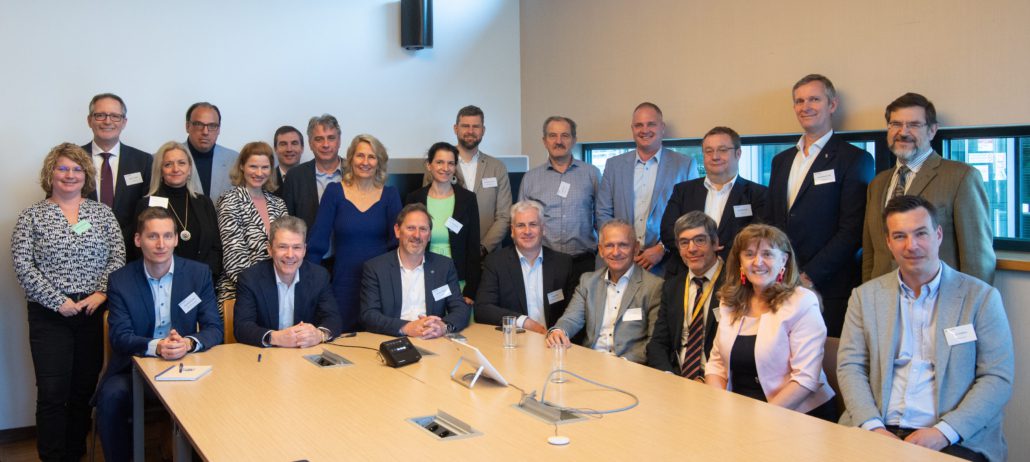
Budapest, 27 January 2026 – Sixty-four percent of Hungarian companies that are leading the sustainable transition already apply some form of circular model in their business operations, yet complex solutions remain the exception, according to the latest survey by the Hungarian Business Council for Sustainable Development (BCSDH). The research, conducted with the professional support of KPMG, shows that the integration of circular economy principles has stalled, despite the significant untapped potential for development.

The results of the BCSDH survey indicate clear stagnation in advancing the circular economy in Hungary. A true paradigm shift is still pending, as circular economy principles have not yet been deeply embedded into corporate practices. Simpler, less complex circular business models continue to dominate.

A Lack of Complex and Strategic Approaches

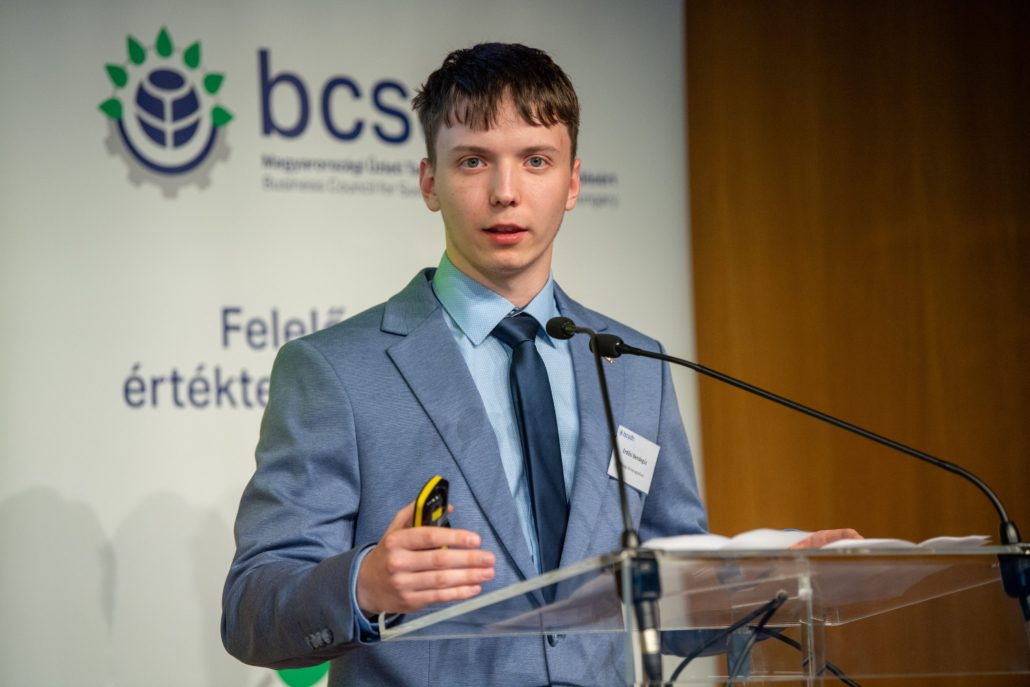
“We launched the Circular Economy Platform nearly ten years ago with the aim of accelerating Hungary’s circular transition through cross-sector collaboration and fostering the use of synergies. It is an important achievement that 75% of leading companies already have circular objectives, and 49% measure their circular performance,” said Irén Márta, Director of BCSDH, at the event that presented the survey results. She added that companies are increasingly recognising that the circular economy represents a complex business approach that simultaneously improves cost efficiency and supply security, supports the development of new business models, and helps achieve decarbonisation targets.

At the same time, she pointed out that only 21% of companies currently have a dedicated circular economy strategy. According to Irén Márta, accelerating the circular transition is only possible through knowledge sharing, showcasing best practices, presenting new opportunities and innovations, and above all, through collaboration. A key forum for this will be the European Circular Economy Hotspot, to be hosted by BCSDH in Budapest between 5 and 7 October 2026, which will highlight international and domestic expertise and offer practical inspiration for the business community.


Global and Domestic Resource-Use Challenges

According to the BCSDH survey, 48% of companies are primarily motivated by resource efficiency in their transition towards the circular economy. Other factors—such as the development of product and technological capabilities, the profitability of circular business models, reduced exposure and risk, and reducing greenhouse gas emissions—are also considered important. However, their impacts are not yet perceived as sufficiently direct to allow a clear hierarchy of priorities to be established.

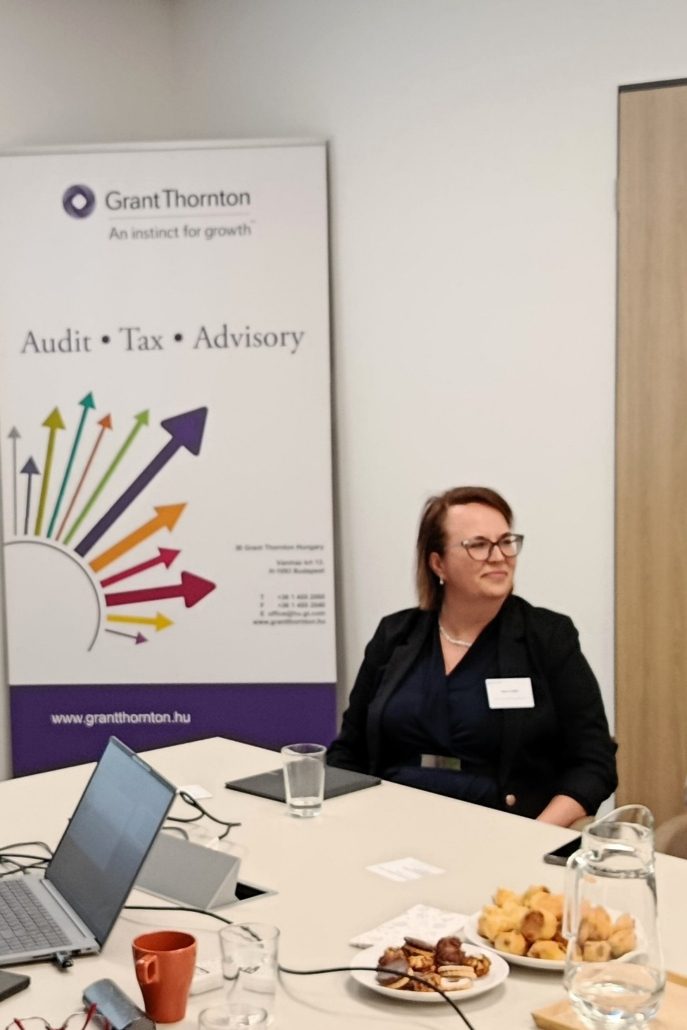
“Based on the results, 59% of companies have targets related to waste management, and 49% have goals concerning the sustainable sourcing and use of renewable resources,” noted Julianna Nagy, Director at KPMG. She added that large corporations and SMEs share a similar mindset in this respect. Targets related to more complex circular activities currently remain in the background.

She also highlighted that even among already implemented solutions, the most popular practices are still those that are easiest to apply and already operational. These include the reuse and sale of residual materials (53%), while more complex solutions, such as circular design (31%), receive less attention. Looking ahead, the development of new business models offers the greatest potential, with 21% of respondents planning to implement related initiatives.

Globally, the economy consumes approximately 100 billion tonnes of resources annually, of which around 75% come from non-renewable sources. The extraction and processing of materials account for more than 55% of global greenhouse gas emissions, 90% of water scarcity, 90% of land-use-related biodiversity loss, and up to 40% of the health impacts of airborne particulate matter.

To sustain current lifestyles, humanity consumes resources equivalent to 1.75 Earths, meaning ecosystems are unable to keep pace with demand. Although real societal needs could be met using 30% less material, the global economy remains on a trajectory of increasing material consumption.

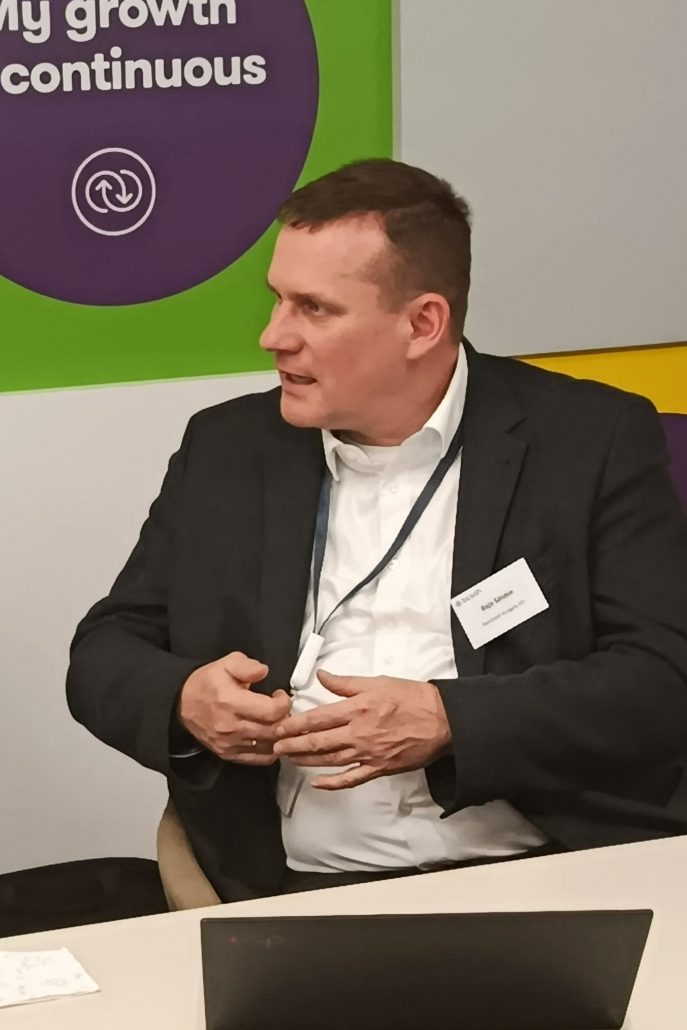
“According to the Circularity Gap Report 2025, only 6.9% of material flows can be considered circular due to rising material use—down from 7.2% last year,” said Bálint Bartha-Horváth, Senior Consultant at CBRE. Hungary lags behind the European average of 12.2% in this regard, with a circularity rate of around 7.3%. However, Bartha-Horváth emphasized that Hungary’s performance should be assessed in a broader context.

Countries with higher resource efficiency and better circularity indicators often consume more raw materials and generate more waste in absolute terms. Consequently, they may be further from the “ideal” level of circularity because their consumption significantly exceeds their ecological capacity. In Bálint Bartha-Horváth’s view, Hungary may not be as far from sustainable as often perceived if its ecological footprint is taken into account—although substantial work remains to be done.

Collaboration Can Accelerate the Transition

Economic growth can be achieved without increasing material consumption by using resources more efficiently. Beyond innovations aimed at reducing material demand, this includes eliminating waste generated in industrial processes and utilizing by-products from other sectors.

“The circular economy is not a communication message—it is an operational issue. At ALTEO, we believe that industry must not only reduce the amount of waste that is generated but also systematically integrate recycling into its production processes,” emphasized Anita Simon, Managing Director of ALTEO Circular.

According to her, future competitiveness will depend on how effectively companies can transform by-products and waste into valuable resources for other industries. She views the circular approach not only as an environmental issue but also as a matter of supply security and economic resilience, helping reduce risks related to raw materials, energy price volatility, and dependence on critical materials. However, she stressed that this can only be achieved through value-chain-level and cross-industry cooperation, where companies think in interconnected systems rather than in isolation.

Experts agreed that accelerating the circular transition requires companies to gain deeper insight into its long-term strategic benefits and business opportunities, as well as obtain practical support for implementation and immediate action. Currently, companies primarily rely on public financial incentives, while making limited use of other external funding sources.

At present, circularity is still primarily considered a regulatory compliance task rather than a transformation of the mainstream business model. Nevertheless, European and national regulations are playing a crucial role, as they not only impose obligations but also create markets. Reporting requirements have significantly advanced the collection of circular economy data, though the accomplishment of many targets remains unsupported by adequate measurement. At the same time, there are truly frontrunner companies—both large corporations and SMEs—where complex circular systems are already in place, and the topic is addressed at a strategic level.


About the BCSDH Circular Economy Survey

Data collection for the survey was completed at the end of 2025, and the results were published on 27 January 2026.

The questionnaire was sent to nearly 150 BCSDH member companies, with 80 responses received, including 25 companies listed in the HVG TOP200 ranking.

28.01.2026
https://bcsdh.hu/wp-content/uploads/2026/01/DSC_8512-scaled.jpg 1468 2560 eszter.chikankovacs https://bcsdh.hu/wp-content/uploads/2021/12/bcsdh-logo.png eszter.chikankovacs2026-01-28 10:29:322026-01-28 10:29:32No Circular Breakthrough Without Strategy – Survey on the State of the Circular Economy in Hungary

Leadership responsibility, community and climate adaptation – the 13th cohort of the “Future Leaders” programme launches

News

With a focus on leadership responsibility, community and climate adaptation, the 13th cohort of our “Future Leaders” programme was launched on 22 January at K&H Bank. Leaders of the organisation and the programme, along with programme mentors and alumni members, presented the opportunities for professional and leadership development, highlighted the importance of a values-driven community, and invited participants to engage in shared reflection on climate adaptation.

The 13th cohort of BCSDH’s “Future Leaders” programme was launched with an opening event held at K&H Bank on 22 January.

As host of the opening event, Peter Roebben, CEO of K&H Bank, welcomed the participants. In his speech, he drew attention to the responsibilities that come with leadership and emphasised the supportive power of a community united by shared values and mutual inspiration.

This was followed by a welcome address from Attila Chikán Jr., President of BCSDH and CEO of ALTEO. He highlighted that the “Future Leaders” programme offers participants not only professional development opportunities but also a strong, cohesive community that creates long-term value for them.


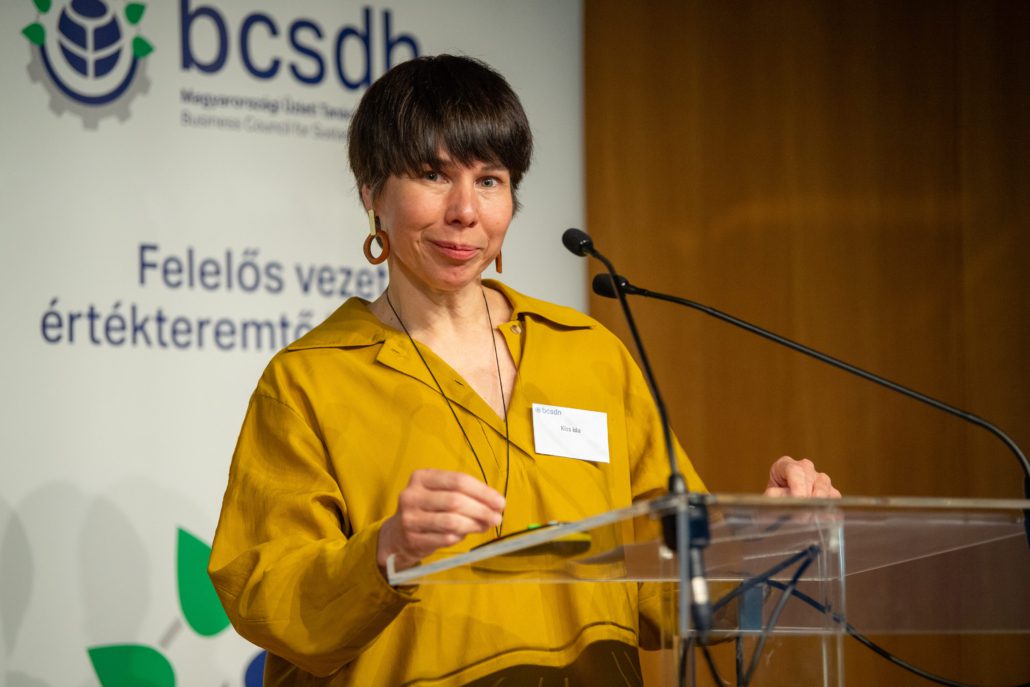
The subsequent elements of the programme were introduced by Irén Márta, Managing Director of BCSDH, who also presented the organisation—now comprising 159 member companies—and its team. She emphasised that BCSDH’s professional background and community actively support the successful delivery of the programme.

 ,

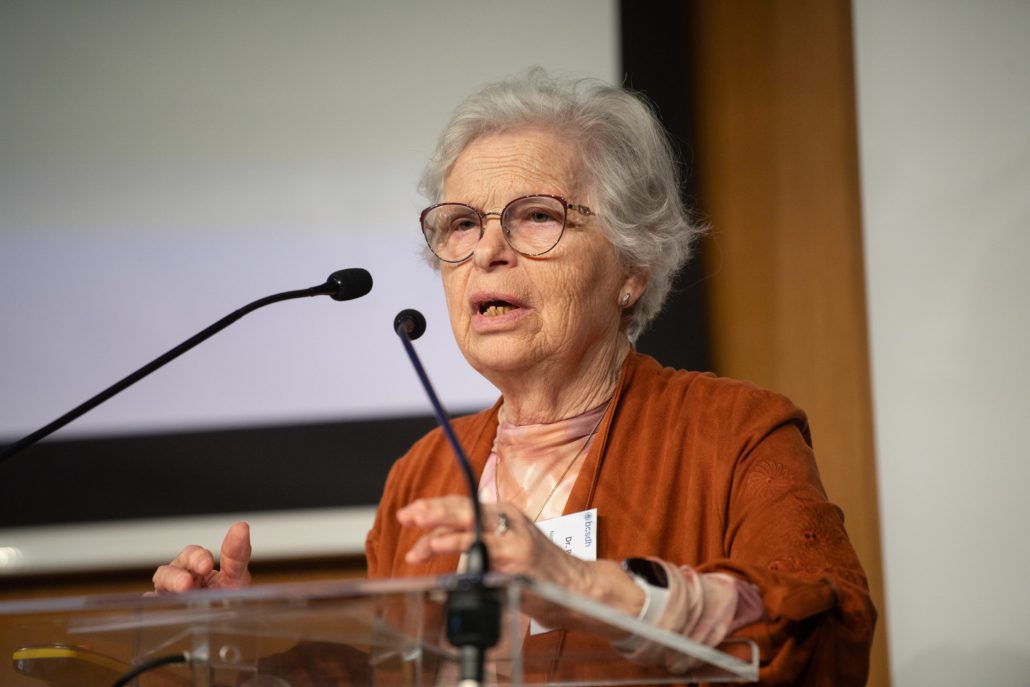
In her presentation, Dr Barbara Wassen, Ambassador at Large for Climate at the Hungarian Ministry of Energy, presented the latest data on temperatures in 2025, drawing attention to the current challenges of climate change and the urgent need for action.


László Török, Managing Director of Yamazaki Mazak, shared how the role and responsibilities of leadership have evolved throughout his career, drawing on his personal experiences and reflecting the expectations of a changing economic and social environment.


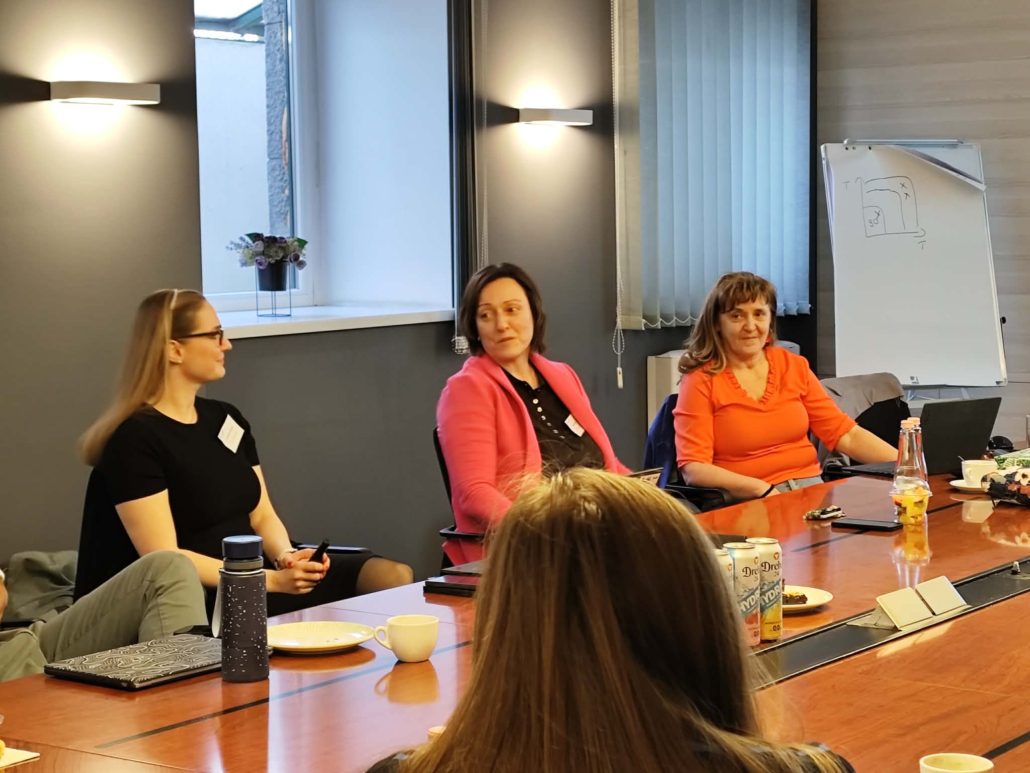
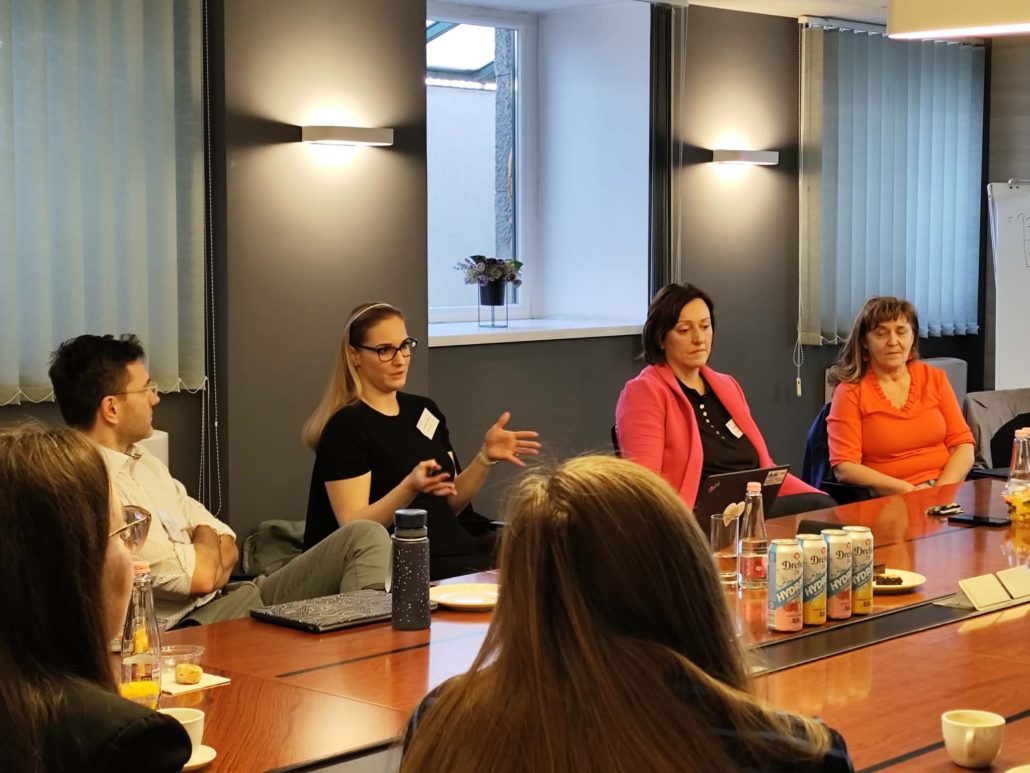
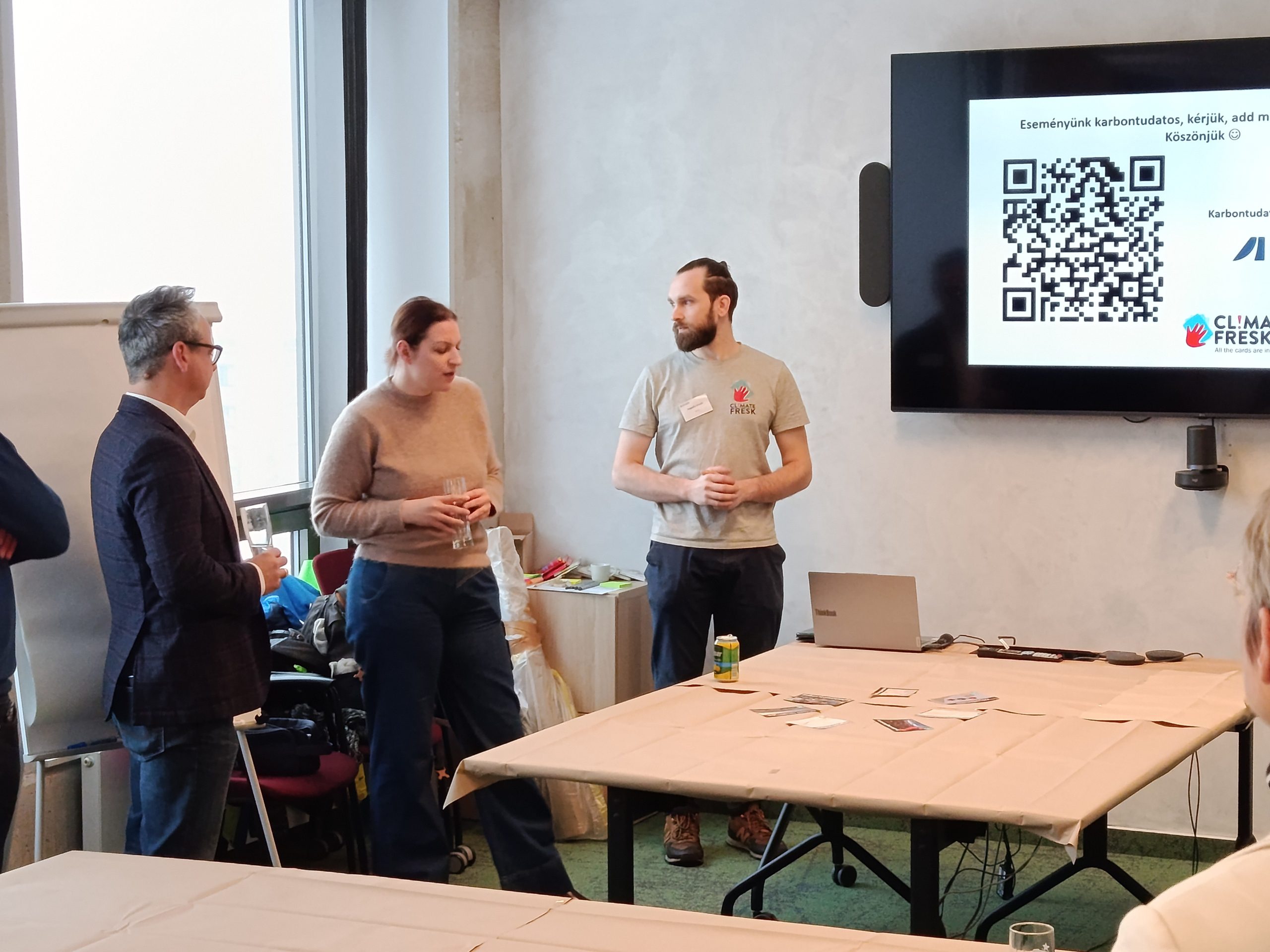
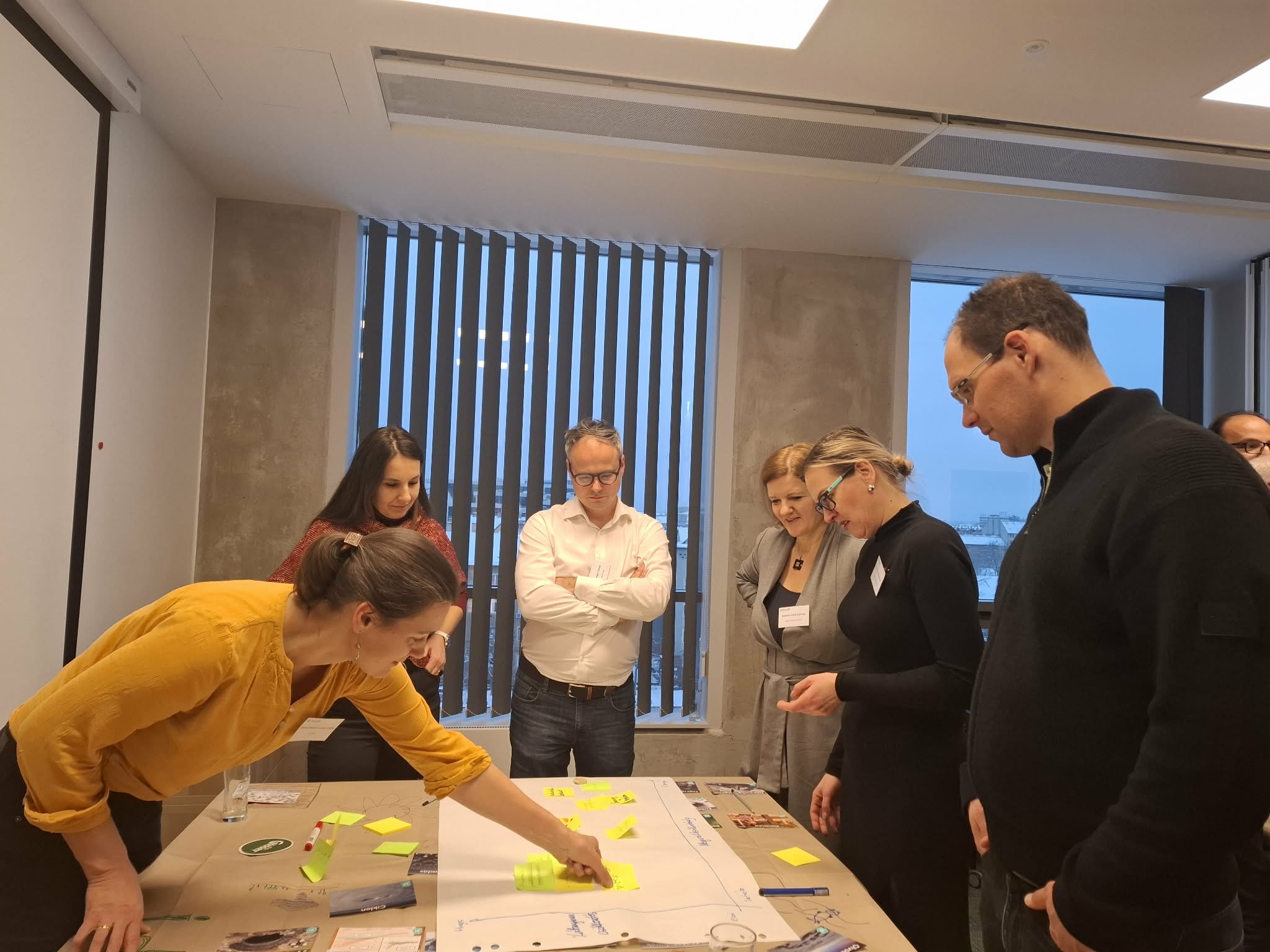
Following the presentations, participants discussed their successes, challenges and future aspirations related to climate adaptation at roundtable sessions, then captured their thoughts on post-it notes displayed on flip charts, creating a snapshot of the group’s current perspectives on climate adaptation.


Zita Szederkényi, the head of ’Future Leaders’ program outlined the main elements of the programme and the professional content planned for the participants in the coming months.


Representing the Alumni community, Péter Kenderes, Marketing Specialist at Yamazaki Mazak, and Gábor Czinger, Operational Maintenance Manager at EUROAPI, shared their experiences. Péter encouraged participants to take full advantage of opportunities to ask questions and connect during the programme, while Gábor highlighted the benefits of working within a diverse team.


Máté Bori, Head of the Alumni, highlighted the uniqueness of the programme, emphasising that it creates genuine opportunities for meetings and learning in a short period of time, across multiple locations, and with the involvement of experienced leaders.


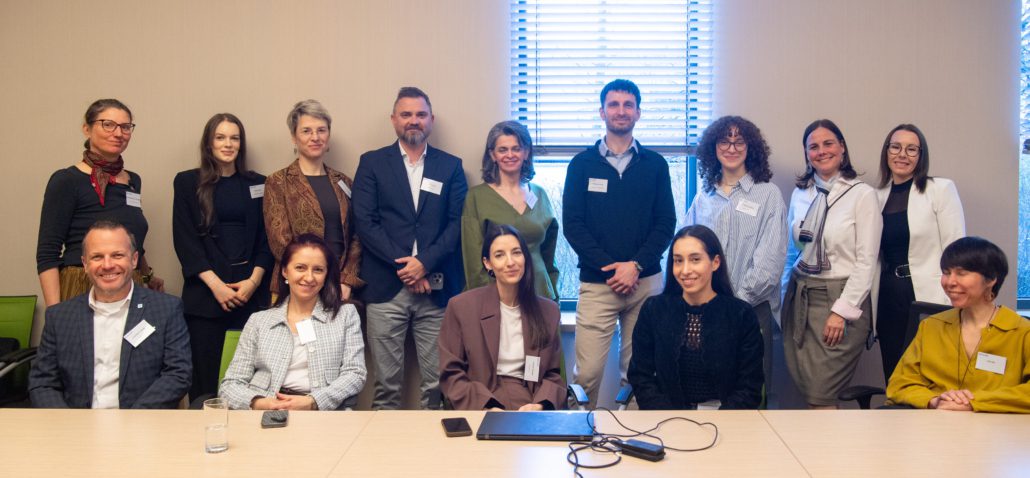
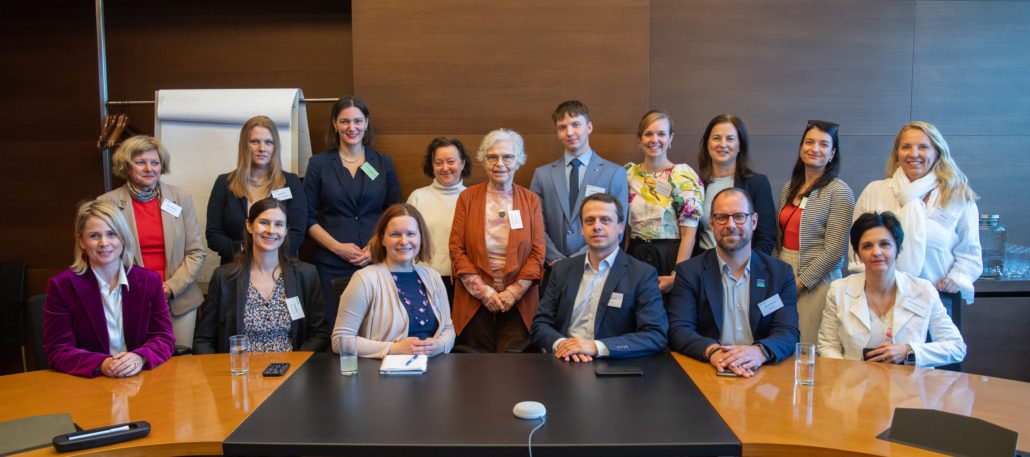
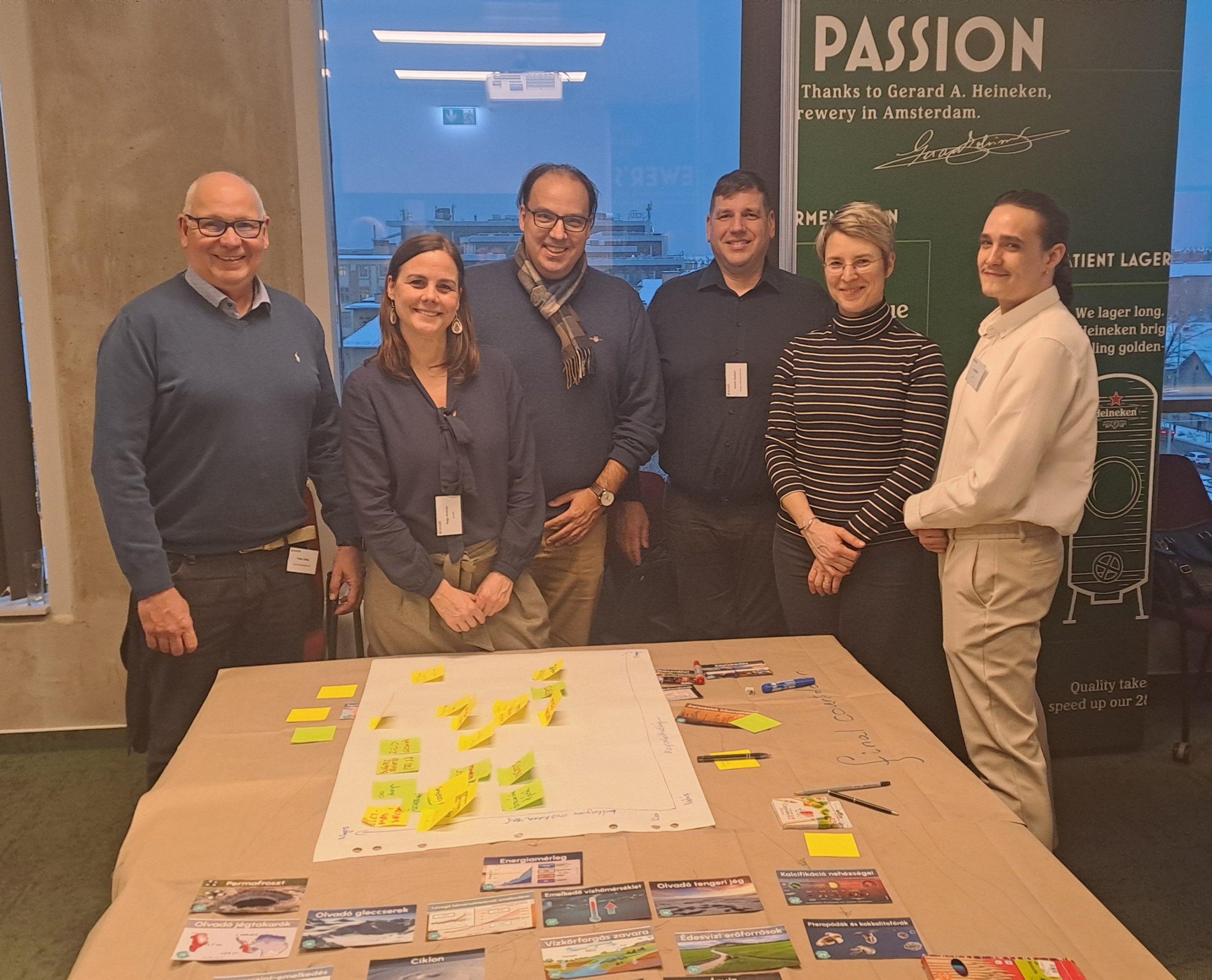
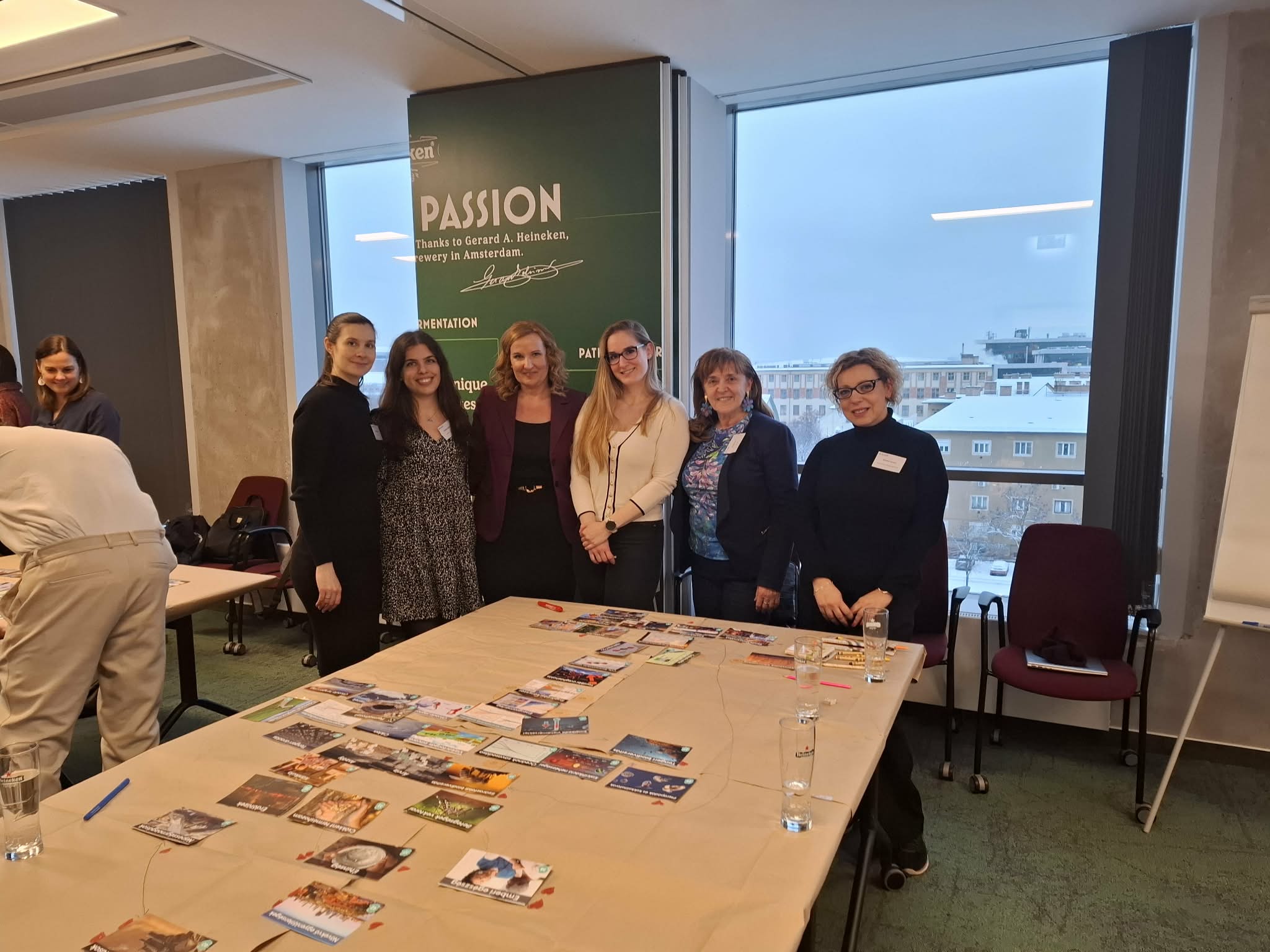
As part of the programme’s continuation, group photos of the mentors and participants were taken.


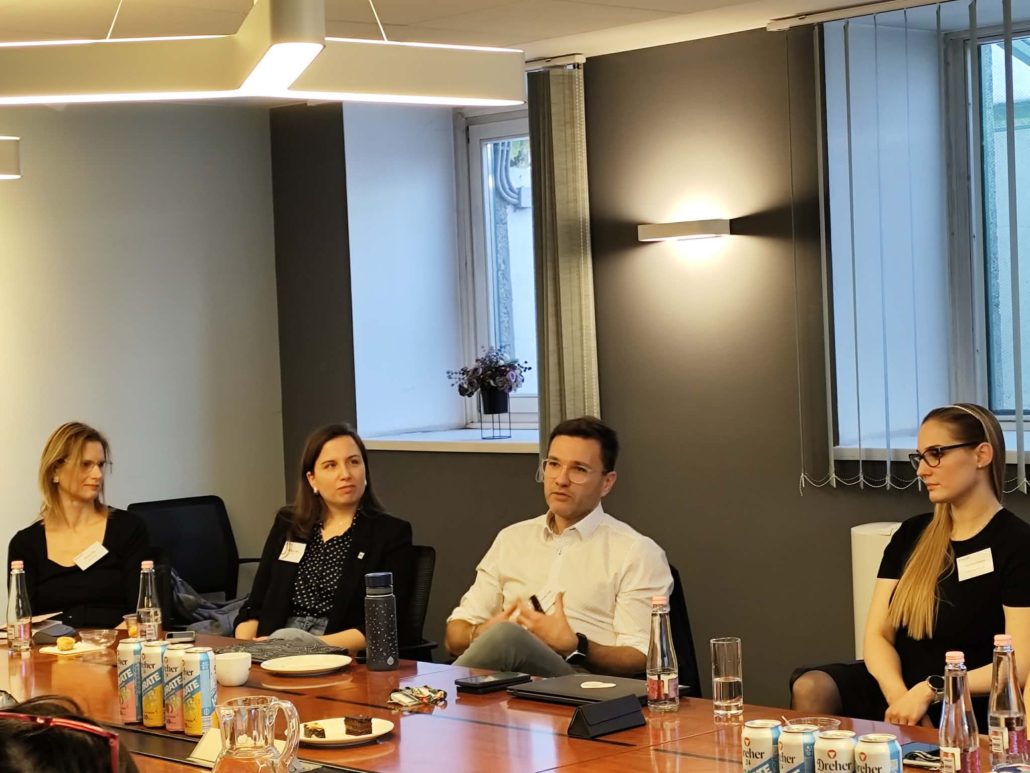
The event concluded with roundtable networking discussions.

The participating leaders in the 2026 programme represented the following companies:

ALTEO Energiaszolgáltató Nyrt., Ayvens | LeasePlan Hungária Zrt., BKM Budapesti Közművek Nonprofit Zrt., Budapest Airport Zrt., Coface Hungary Services Kft., Continental Automotive Hungary Kft., E.ON Dél-dunántúli Áramhálózati Zrt., Ernst & Young Kft., EUROAPI Hungary Kft., Generali Biztosító Zrt., Grundfos Kft., Güntner-Tata Hűtőtechnika Kft., Jász-Plasztik Kft., KPMG Tanácsadó Kft., LeasePlan Hungária Zrt., MVM Zrt., Nestlé Hungária Kft., Prímaenergia Zrt., Progress Étteremhálózat Kft., Richter Gedeon Nyrt., Siemens Energy Kft, SPAR Magyarország Kft., Yamazaki Mazak Central Europe s.r.o. Magyarországi Fióktelepe, Yettel Zrt.

Among the participants was András Aschenbrenner, a student at Széchenyi István University, who was the winner of the scholarship competition announced for university students.

We would like to thank the host of the opening event:

We would like to thank the supporters of the 2026 programme:

Tovább a teljes galériához

23.01.2026
https://bcsdh.hu/wp-content/uploads/2026/01/DSC_8336-scaled.jpg 1359 2560 Gyurgyik Anna https://bcsdh.hu/wp-content/uploads/2021/12/bcsdh-logo.png Gyurgyik Anna2026-01-23 17:18:372026-01-23 17:18:37Leadership responsibility, community and climate adaptation – the 13th cohort of the “Future Leaders” programme launches

Welcome our new member company, Inara Consulting Ltd.

Member News, New member

We are pleased to welcome Inara Consulting Ltd., a consulting and training company specialising in leadership and organisational development, among our members. The company focuses on the practical implementation of inclusive leadership, inclusive organisational culture, collaboration, and social sustainability.  

Led by Ferenc Rébeli-Szabó, the company approaches sustainability in a holistic manner, interpreting it through the interrelated economic, environmental, and social pillars. In its operations, Inara Consulting strives to minimise environmental impact, prioritise digital solutions, and create value through knowledge sharing.

The company contributes to the protection of biodiversity through leadership mindset development, training programmes, and advisory projects.

Human dignity, equal treatment, psychological safety, and respectful communication are fundamental principles of the company’s operations. These values are not only upheld internally but are also actively promoted through its professional activities.

By joining BCSDH, the company aims to actively contribute to the realisation of its core values, primarily by supporting the broad societal acceptance and implementation of inclusivity.

18.01.2026
https://bcsdh.hu/wp-content/uploads/2026/01/Inara_logo.jpg 351 600 Gyurgyik Anna https://bcsdh.hu/wp-content/uploads/2021/12/bcsdh-logo.png Gyurgyik Anna2026-01-18 11:02:572026-01-18 11:02:57Welcome our new member company, Inara Consulting Ltd.

Welcome our new member company, Coca-Cola HBC Hungary Ltd.

Member News

We are pleased to welcome Coca-Cola HBC Hungary Ltd. among our members.

The company is one of The Coca-Cola Company’s largest strategic bottling partners worldwide.

Employing more than 1,000 people, the company is part of Coca-Cola HBC, which operates across 29 countries. Its main activities in Hungary include the production and distribution of soft drinks and mineral waters, as well as the distribution of coffee and premium spirits.

The company has invested approximately HUF 140 billion in the country, contributing to the development of the domestic economy.

Led by Managing Director Ágnes Kovács, the company’s sustainability goals are closely aligned with its business objectives and form an integral part of its corporate strategy. The company continuously works to embed the principles of sustainability and social responsibility into all aspects of its operations. In recognition of Ágnes Kovács’s exemplary personal and professional leadership, as well as her outstanding performance in business results and people management, BCSDH awarded her the Change Leader Award in 2020.

The company’s sustainability strategy focuses on seven key areas: climate action, packaging, water stewardship, ingredients, nutrition, people and communities, and biodiversity. Among these, three areas receive particular emphasis: environmental protection, supporting a waste-free world, and promoting balanced nutrition and healthy lifestyles, alongside the Group’s “#YouthEmpowered” programme.

The company is committed reaching net zero emissions across its entire value chain by 2040, while also delivering positive biodiversity outcomes.

By joining BCSDH, Coca-Cola HBC Hungary sees an opportunity to collaborate with professional partners and operate responsibly over the long term, with a strong focus on social and environmental considerations.

17.01.2026
https://bcsdh.hu/wp-content/uploads/2026/01/CCHBC_Logo_Hungary_01_Color-Horizontal-3D-Hungary-Local-1-pdf.jpg 329 1160 Gyurgyik Anna https://bcsdh.hu/wp-content/uploads/2021/12/bcsdh-logo.png Gyurgyik Anna2026-01-17 10:08:382026-01-17 10:08:38Welcome our new member company, Coca-Cola HBC Hungary Ltd.

Welcome our new member company, Mitigia Carbon Zrt.

Member News

We are pleased to welcome Mitigia Carbon Zrt. among our members. The company’s mission is to support the decarbonisation of various industries through the voluntary carbon market.

Led by Levente Tóth, the company provides carbon pricing, advisory services, and carbon market project development, primarily for corporate clients in the domestic market. To support these activities, Mitigia develops its own verified methodologies and delivers its services through a proprietary, in-house developed IT environment.

At present, its carbon market methodologies assist green investors in the renewable energy sector, e-mobility, and the circular economy in generating high-quality carbon credits based on their projects. In 2026, the company plans to further expand its services toward plastic recycling and biomass- and biogas-based projects. The company focuses primarily on providing expert support to large enterprises subject to CSRD requirements and/or those voluntarily following SBTi recommendations.

14.01.2026
https://bcsdh.hu/wp-content/uploads/2026/01/image005.png 315 851 Gyurgyik Anna https://bcsdh.hu/wp-content/uploads/2021/12/bcsdh-logo.png Gyurgyik Anna2026-01-14 20:55:552026-01-14 20:55:55Welcome our new member company, Mitigia Carbon Zrt.
Followon TwitterSubscribeto RSS Feed

Latest news

Categories

  • Award
  • Business Solution Award
  • Business Transformation award
  • Change Leader Award
  • Kiemelt hírek
  • Leading women award
  • Member News
  • New member
  • News
  • Uncategorized

Archives

  • January 2026
  • December 2025
  • November 2025
  • October 2025
  • September 2025
  • August 2025
  • July 2025
  • June 2025
  • May 2025
  • April 2025
  • March 2025
  • February 2025
  • January 2025
  • December 2024
  • November 2024
  • October 2024
  • September 2024
  • August 2024
  • July 2024
  • June 2024
  • May 2024
  • April 2024
  • March 2024
  • February 2024
  • January 2024
  • December 2023
  • November 2023
  • October 2023
  • September 2023
  • August 2023
  • July 2023
  • June 2023
  • May 2023
  • April 2023
  • March 2023
  • February 2023
  • January 2023
  • December 2022
  • November 2022
  • October 2022
  • September 2022
  • August 2022
  • July 2022
  • June 2022
  • May 2022
  • April 2022
  • March 2022
  • February 2022
  • January 2022
  • December 2021
  • November 2021
  • October 2021
  • September 2021
  • August 2021
  • July 2021
  • June 2021
  • May 2021
  • April 2021
  • March 2021
  • February 2021
  • January 2021
  • December 2020
  • November 2020
  • October 2020
  • September 2020
  • July 2020
  • June 2020
  • May 2020
  • April 2020
  • March 2020
  • February 2020
  • January 2020
  • December 2019
  • November 2019
  • October 2019
  • September 2019
  • August 2019
  • July 2019
  • June 2019
  • May 2019
  • April 2019
  • March 2019
  • February 2019
  • January 2019
  • December 2018
  • November 2018
  • October 2018
  • September 2018
  • August 2018
  • July 2018
  • June 2018
  • May 2018
  • April 2018
  • February 2018
  • January 2018
  • December 2017
  • November 2017
  • October 2017
  • September 2017
  • May 2017
  • April 2017
  • March 2017
  • February 2017
  • December 2016
  • November 2016
  • October 2016
  • September 2016
  • August 2016
  • July 2016
  • June 2016
  • May 2016
  • April 2016
  • March 2016
  • February 2016
  • December 2015
  • November 2015
  • October 2015
  • September 2015
  • August 2015
  • July 2015
  • June 2015
  • April 2015
  • March 2015
  • February 2015
  • January 2015
  • December 2014
  • November 2014
  • October 2014
  • September 2014
  • August 2014
  • July 2014
  • June 2014
  • May 2014
  • April 2014
  • March 2014
  • February 2014
  • January 2014
  • December 2013
  • November 2013
  • September 2013
  • July 2013
  • June 2013
  • May 2013
  • April 2013
  • March 2013
  • February 2013
  • January 2013
  • November 2012

Business Council for Sustainable Development in Hungary
1118 Budapest, Ménesi street 9/a.

About us
Our mission
Our vision
Our Members
Annual Report
Contact

Carbon-aware events
Gallery

Policies and statements
Privacy policy
Competition Law Statement
Code of Ethics

World Business Council for Sustainable Development (WBCSD) National Partner

© Copyright - BCSDH - powered by Enfold WordPress Theme
  • Facebook
  • LinkedIn
  • Mail
Scroll to top