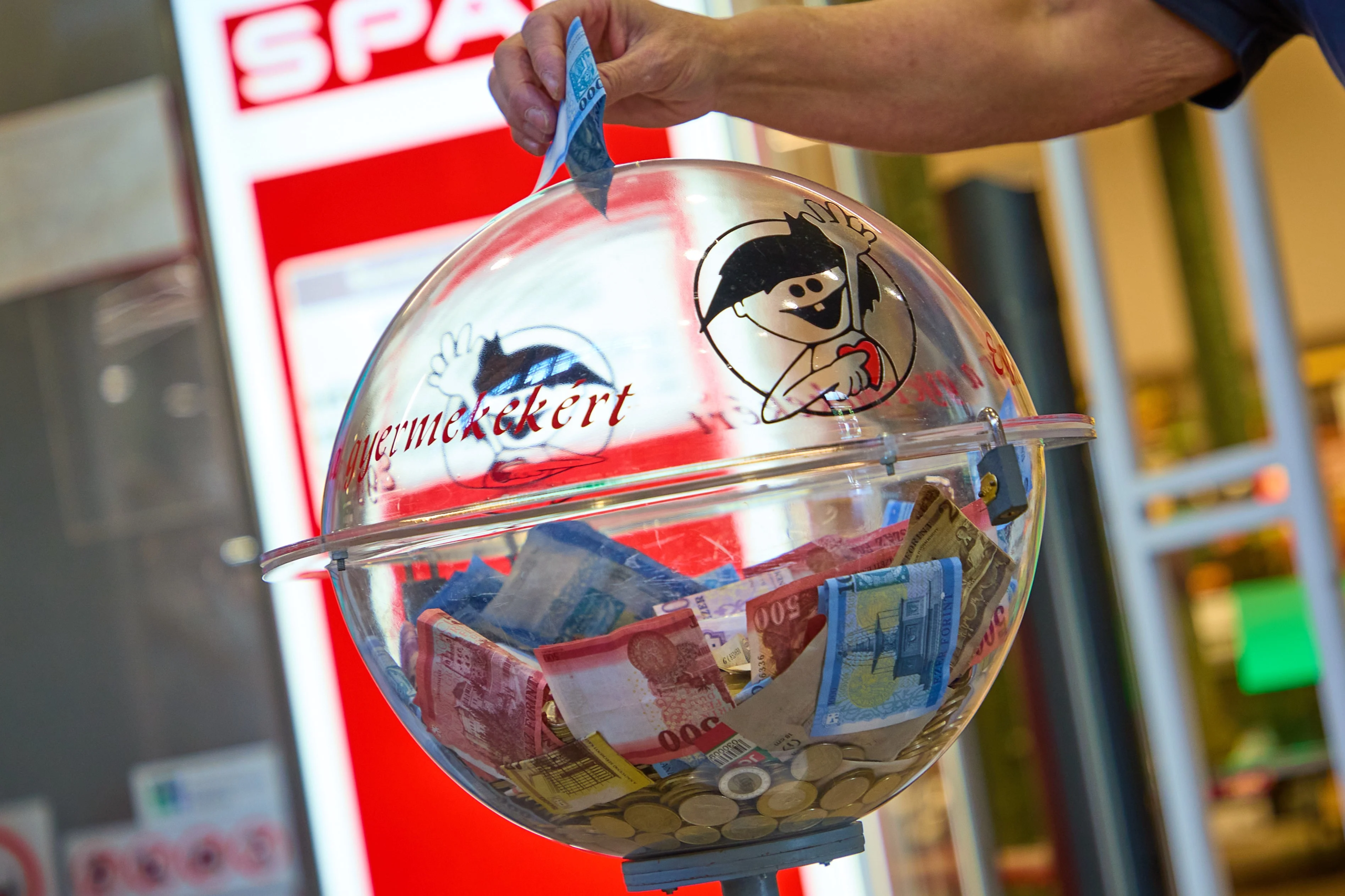
While doing their everyday shopping in SPAR stores, customers can easily support the work of the “One Heart for Children” Foundation, which helps seriously ill children. Donations placed in the collection heart spheres provide genuine support to families in need and healthcare institutions across Hungary year after year. The initiative continues to expand, and donations can now be made at 82 SPAR, City SPAR, INTERSPAR and franchise partner stores nationwide.
Supporting hospitals and seriously ill children
The “One Heart for Children” Foundation uses the donations it receives to support families raising seriously ill children and healthcare institutions. It primarily helps families by contributing towards the costs of staying abroad during medical treatment, while also regularly supporting healthcare institutions in Hungary through the purchase of medical equipment and other healthcare devices. Since its establishment, the foundation has supported more than 400 families with a total amount exceeding 110 million forints, while providing medical equipment and other healthcare devices worth more than 100 million forints to healthcare institutions across Hungary. In 2025 alone, the organisation provided more than 13 million forints in support to families and hospitals.
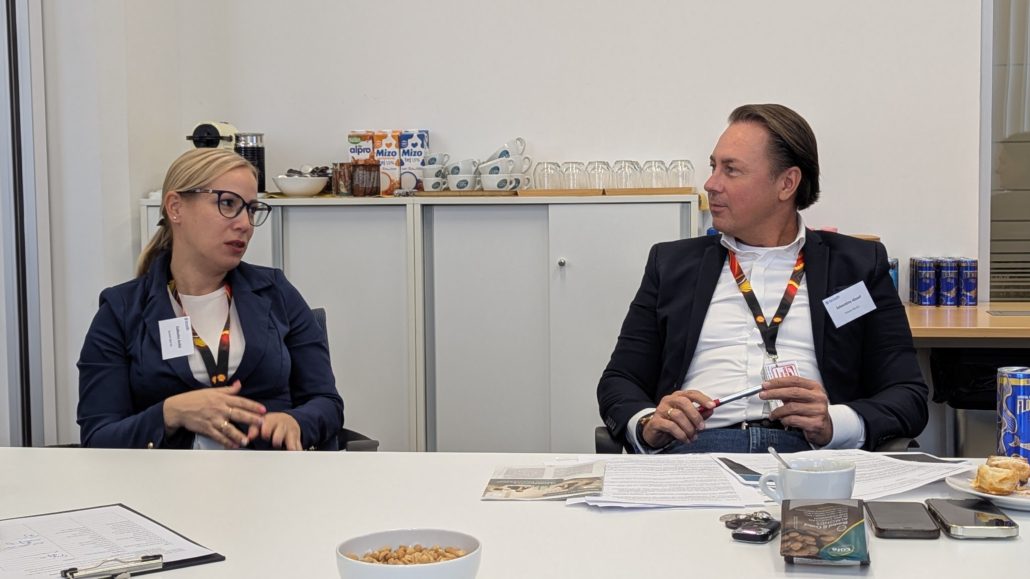
“The treatment of seriously ill children is a shared responsibility. Behind every child stands a community: the family, doctors, nurses, the Foundation, supporters and customers. We are proud that SPAR has been part of this collective effort for more than a decade, and that together with our customers we can help ensure that as many children as possible are given the chance to recover,” said Dr. Judith Kelenhegyi, Chair of the Board of Trustees of the “One Heart for Children” Foundation.
More and more people are helping
The partnership between SPAR Magyarország and the Foundation dates back more than a decade and has continued to develop ever since. While donation points were available in 40 stores at the end of 2025, customers can now make donations at 82 locations. Thanks to the new locations and the work of volunteers, an increasing number of people can support the initiative.
Customer donations provide tangible support year after year: in 2025, the donation collection spheres placed in SPAR stores raised nearly 3.7 million forints, while in 2026, more than 1.4 million forints has already reached patients in need through the Foundation. To support the
Foundation’s goals for this year, SPAR is also contributing a further donation of 1 million forints.
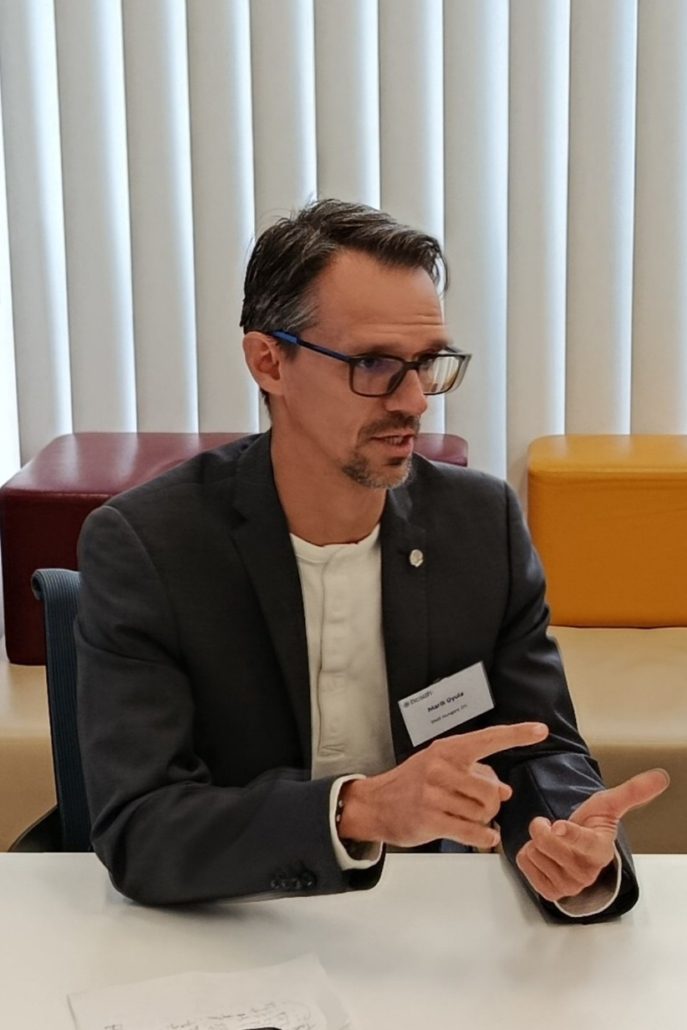
“It has always been important to SPAR to stand behind initiatives together with our customers that provide genuine support. We have been working towards shared goals with the ‘One Heart for Children’ Foundation for more than a decade, and it is especially rewarding to see that our customers demonstrate every day that even a small donation can become significant support. We would like to thank all our customers and store colleagues for being part of this collective effort,” said Márk Maczelka, Head of Communications at SPAR Magyarország.
In addition to the donation collection spheres placed in SPAR stores, the “One Heart for Children” Foundation can also be supported by bank transfer, online donations, corporate sponsorship and by donating 1% of personal income tax. Further information about the Foundation’s work and donation opportunities is available at www.egysziv.hu.