• Facebook
  • LinkedIn
  • Mail
  • Magyar Magyar Hungarian hu
  • English English English en
BCSDH
  • About us
    • Mission
      • Vision 2050
      • Management Guidelines
    • Organization
    • Partners
  • Our members
    • Membership
    • List of our members
    • Become a member
  • News
    • Our news
    • Member news
  • Our activities
    • 1. oszlop
      • Time to transform 2030
      • Race to Zero
      • Circular Economy Platform
      • ESG
      • Working groups
    • Future Leaders Program
      • Scholarship
    • For a Sustainable Future Award
    • International projects
      • ERASMUS+ DEDYCATING
      • ISSUE
      • Circular Regions
    • Archive
      • Action 2020
  • Events
    • Events calendar
    • Gallery
  • Resources
    • Business solutions
  • Circular Economy Hotspot 2026
  • Menu Menu
  • About us
    • Mission
      • Vision 2050
      • Management Guidelines
    • Organization
    • Partners
  • Our members
    • Membership
    • List of our members
    • Become a member
  • News
    • Our news
    • Member news
  • For a Sustainable Future Award
  • Our activities
    • Time to transform 2030
    • Race to Zero
    • Circular Economy Platform
    • ESG
    • Working groups
    • Future Leaders Program
      • Scholarship
    • International projects
      • ISSUE
      • Circular Regions
    • Archive
      • Action 2020
  • Resources
    • Business solutions
  • Events
    • Events calendar
    • Gallery
  • Circular Economy Hotspot 2026
You are here: Home1 / News2 / Regisztráció – „A jövő vezetői” Alumni program tavaszi esemény3 / 2026

ESG Supplier Risk Management on a New Level: The denxpert and Dun & Bradstreet Partnership

Member News

In the new era of mandatory sustainability reporting and due diligence obligations, supply chain transparency has become one of the most pressing challenges for companies. To gain an accurate picture of their suppliers’ ESG performance, businesses need reliable, globally accessible data. 

Companies subject to ESG regulations must determine, often from a pool of hundreds or even thousands of suppliers, which partners require a detailed assessment, and they must do so based on incomplete, fragmented data. 

This challenge is exactly what our strategic partnership between denxpert and Dun & Bradstreet is designed to solve. Dun & Bradstreet’s global business information database, built over nearly 200 years and covering tens of millions of companies worldwide, enables businesses to standardise and enrich their supplier data and conduct objective pre-screening based on ESG risk indicators and ratings. At the heart of this partnership is the synergy between technology and data: denxpert’s market-leading ESG software solutions now provide direct access to the D&B global database. Bridging the gaps between questionnaire management, evaluation, documentation, and auditable compliance workflows in a single system. 

The two-step model ensures that detailed ESG assessments are carried out only where genuinely warranted. This significantly reduces the administrative burden while making the entire compliance process more transparent and manageable. The benefits of this collaboration are relevant not only to domestic companies but also to those with international supplier networks: the global data coverage and standardised ESG evaluation methodology prove most valuable precisely in cases where obtaining reliable information on foreign suppliers through traditional means is difficult. 

Companies such as Richter Gedeon and MVM have already applied this solution as part of their ESG compliance processes. 

Want to see how it works in practice? On 16 April, we hosted a Hungarian-language webinar where Csonka Anna (Senior Sustainability Expert, denxpert) and Rein Enikő (Dun & Bradstreet) presented the two-step pre-screening and assessment model live. 

Further details and registration: https://www.denxpert.com/hu/webinar/hogyan-segitenek-a-globalis-cegadatok-az-esg-elominositesben

More background information on the partnership: https://www.denxpert.com/hu/post/esg-beszallitoi-kockazatkezeles-uj-szinten-a-denxpert-es-a-dun-bradstreet-egyuttmukodese


21.04.2026
https://bcsdh.hu/wp-content/uploads/2024/03/denxpertlogo-newcolor_big_szerk..jpg 185 630 Gyurgyik Anna https://bcsdh.hu/wp-content/uploads/2021/12/bcsdh-logo.png Gyurgyik Anna2026-04-21 10:25:242026-04-21 10:28:46ESG Supplier Risk Management on a New Level: The denxpert and Dun & Bradstreet Partnership

SPAR invested nearly 220 million forints in social initiatives in 2025

Member News

For more than three decades, corporate social responsibility, charitable initiatives, and community support have been an integral part of SPAR Hungary’s corporate culture. In 2025, the retail chain continued to support thousands of families in need through school supply and non-perishable food collections, while also backing programmes in healthcare, animal welfare, culture, and sport. In total, SPAR Hungary invested nearly 220 million forints in social initiatives in 2025.


Collaboration to support families in need

In 2025, SPAR Hungary, together with its strategic partner, the Hungarian Charity Service of the Order of Malta, continued its multi-faceted collaboration, providing tangible assistance to those in need with active customer participation. During the “A Joy to Give!” school supply collection campaign, customers donated tens of thousands of school items to support children from disadvantaged families and also contributed by purchasing donation cards. Contributions from donation cards raised nearly 2 million forints, which SPAR supplemented with an additional HUF 1 million. As a result of a four-day in-store collection campaign at INTERSPAR hypermarkets, nearly 100,000 school supplies and other educational materials were delivered to families in need via the charity, ensuring that around 1,800 children were well-prepared to start the new school year in September.

“A Joy to Give!” Christmas food collection remained a highlight in 2025. A total of 148 SPAR and INTERSPAR stores participated, with customers donating 208 tonnes of non-perishable food. Contributions via donation cards raised nearly 5.5 million forints, which supporters supplemented with an additional 7 million forints through the Adomanyozz.hu platform. From these combined donations, the Hungarian Charity Service of the Order of Malta prepared approximately 25,000 food parcels, which were delivered to families in need before the holidays.
As part of the strategic partnership, SPAR continued its food rescue programme in 2025. Over 1 million kilograms of fruit, vegetables and other food items withdrawn from sale but still suitable for consumption were distributed to those in need through the charity. The programme not only provides vital support to vulnerable communities but also contributes to reducing food waste.

SPAR also provides customers with continuous opportunities to support those in difficult situations. Donation cards valued at 200 or 500 forints, available at checkouts in aid of the Hungarian Charity Service of the Order of Malta, allow anyone to easily contribute to helping families in need. In this way, the power of collective action is felt even during everyday shopping.


Comprehensive support for the recovery of people living with leukaemia

As part of its corporate social responsibility, SPAR Hungary has been supporting the “Let’s Help Children and Patients with Leukaemia” public benefit foundation for more than a decade. The organisation aids children and adults living with leukaemia and other haematopoietic diseases through support, donations, and 1% personal income tax contributions. In addition to direct financial support, the company also helps the foundation’s activities by providing visibility and communication opportunities in its stores, as well as space for activities related to charitable programmes.


Sport and solidarity

SPAR Hungary has been committed for many years to promoting an active lifestyle and physical activity. One of the highlights of this effort is the SPAR Budapest Marathon® Festival, one of the country’s largest recreational sports events, in which the company has participated for years as the title sponsor. In 2025, tens of thousands of runners took part in the race, including numerous SPAR employees who represented the company community across various distances. To support the physical and mental well-being of its employees, the company again provided free entry for colleagues to participate in any race distance. Preparing for and participating in the event together not only strengthens a health-conscious mindset but also contributes to the sense of community and cohesion within the company.

The sporting event also carried a social message: for every participating employee, SPAR donated 2,000 forints to the Budapest Bike Maffia Association, which aims to support the daily lives of vulnerable and homeless people.


Shaping customer mindset and promoting a conscious lifestyle

An important element of SPAR Hungary’s social responsibility is shaping customer mindset and supporting conscious decision-making. In 2025, the company launched several initiatives that provide practical guidance for adopting a health-conscious and sustainable lifestyle in everyday life. The year-long educational campaign by SPAR and Nestlé supported the long-term implementation of New Year’s lifestyle resolutions. The digital year planner offered inspiring stories, practical advice, and easy-to-follow tips each month to help consumers develop a healthier and more sustainable way of life. Each month, the content was complemented with recipes based on easily accessible, affordable ingredients, shopping lists, and dietary information. The online planner was promoted through the MySPAR app and the digital channels of SPAR and Nestlé.

Shaping mindset also targets the youngest age groups: in 2025, the highly successful SPAR ECO ADVENTURE animated series returned with new episodes. The series, previously aimed at preschool and early school-age children, was expanded with seven new episodes that address environmentally conscious everyday life in a playful and understandable way. The episodes cover topics such as selective waste collection, healthy lifestyles, reducing food waste, and avoiding single-use plastics. The animated series is available on SPAR Hungary’s YouTube channel and at sparafenntarthatojovoert.hu.

The aim of these initiatives is to provide customers, regardless of age, with knowledge and motivation to make more conscious and responsible decisions in their everyday lives.


SPAR stands up for animal welfare

SPAR Hungary has been supporting domestic animal welfare organisations for more than a decade, and in 2025 it contributed to the care of animals living in shelters through numerous initiatives. The retail chain helped the organisations by regularly donating products withdrawn from commercial sale but still suitable for feeding animals, so that food donations reached several hundred animal welfare organisations across the country during the year.

In addition, the company has worked for years in close professional cooperation with the National Animal Welfare Foundation. One of the most important elements of this partnership is the “Paw in Trouble!” nationwide pet food collection campaign, which in 2025 was held for the fifth time in INTERSPAR hypermarkets. Within the framework of this charitable initiative, customers were able to hand over their donations directly to volunteers from more than thirty participating shelters and animal welfare organisations. Last year’s collection also achieved outstanding results, and SPAR Hungary supplemented the programme with an additional 1 million forints in financial support, reinforcing its long-term commitment to animal welfare and responsible pet ownership.

SPAR also provides animal welfare organisations with opportunities throughout the year to organise donation drives in its stores. The company’s open cooperation strengthens the visibility of civil organisations and creates a direct connection between customers and the supported causes.


Events organised with a conscious environmental approach

SPAR Hungary continued its practice of striving to reduce environmental impact when organising certain key corporate events. As part of this, the related estimated CO₂ emissions are calculated and monitored with the involvement of independent experts. Over the past years, the company has consciously incorporated expert recommendations from previous years into its event organisation practices, resulting in a measurable reduction in calculated carbon emissions. In addition, the company contributes to longer-term environmental goals by financing a native tree planting project.


SPAR’s “Regional Treasures” programme supports small businesses

In 2025, SPAR Hungary’s Regional Treasures programme further strengthened the market presence of domestic small producers and small businesses. Launched four years ago, the initiative now offers a total of around 550 products from 125 domestic suppliers across the store network, allowing customers to choose from an increasing number of local specialties in their everyday shopping. The range currently includes products across 23 categories: in addition to dairy products, pasta, cold cuts, jams and honey, it also features cold-pressed oils, craft beers, wines, pickles, preserves and various sweets. The programme aims to provide smaller food producers with a stable sales opportunity while enabling customers to access high-quality domestic products. Beyond product sales, SPAR also supports its partners with professional and digital assistance, contributing to the development of their operations and increasing their market competitiveness. The initiative also helps stimulate the local economy and create jobs: businesses participating in the programme collectively provide livelihoods for over 800 people. In this way, Regional Treasures delivers value simultaneously to customers, domestic producers, and local communities.

Supporting community causes

Through the SPAR Helping Hands grant system, many civil organisations also received support last year. The programme provides an opportunity for both local and nationwide causes to access funding. As a result, the initiative strengthens community cohesion and the stability of the civil sector.


21.04.2026
https://bcsdh.hu/wp-content/uploads/2025/11/SPAR_Logo-e1776757765577.jpg 200 1168 Gyurgyik Anna https://bcsdh.hu/wp-content/uploads/2021/12/bcsdh-logo.png Gyurgyik Anna2026-04-21 09:49:492026-04-23 08:55:26SPAR invested nearly 220 million forints in social initiatives in 2025

Sustainability as a Key Consideration from the Earliest Project Stage

Member News

Sustainability plays a crucial role not only during the design and implementation phases, but already at the project preparation stage. Realiscon is currently working on the BREEAM Communities certification of a district-scale development, which is only the third such assessment in Hungary. The scheme evaluates sustainability in a comprehensive, structured and measurable way already in the early stages of the project, covering aspects such as environmental impacts, transport and infrastructure connections, community functions, as well as social and economic sustainability.


The Role of Sustainability Decisions in the Early Stages of Development

In Hungary, there are still relatively few district-scale developments or revitalization projects where sustainability goals are defined in a structured way using a measurable framework. Yet, at this stage, key decisions can already be made regarding how the development will be integrated into the existing urban fabric—its transport systems, green infrastructure, or the energy strategy guiding the design process even before specific buildings are planned.

Unfortunately, it is often observed that developments begin without proper preparation, relying on conventional solutions, methods, and assumptions. However, in projects of this scale, beyond the mandatory preparatory studies and assessments, valuable additional information can be gathered to support even the initial site planning decisions.

Such analyses may include, for example, flood risk assessments specific to the site (considering both natural and built environmental factors), examination of opportunities for reuse and recycling of buildings, structures, or materials in line with circular economy principles, acoustic measurements alongside projections of expected noise impacts, and the development of plans aimed not only at protecting existing ecological values but also at enhancing biodiversity.

It is also essential that the planned functions consider not only financial return but also the needs of the local community—for example, by identifying gaps in education, housing, services, or recreational opportunities.


BREEAM Communities as a Guiding Framework for Sustainable Urban Development

If a development places additional pressure on existing transport systems, affects adjacent public spaces used by the community, includes residential construction, or necessitates new services, it becomes essential to apply a well-structured, design-supportive criteria system that considers environmental aspects at a high level alongside community interests.

The British BREEAM Communities framework provides a structured, measurable “green” set of requirements to support the preparation of such large-scale developments. It promotes solutions that enhance sustainability at district level by defining both mandatory and optional criteria — many of which should already be considered standard practice today.


Long-Term Benefits and Adaptability through BREEAM Certification

In Hungary, only three developments have been completed or are currently underway applying the above-mentioned certification system.
In the case of the ongoing development of the former brick factory site in Törökbálint, the mandatory studies required for BREEAM Communities certification were completed by April 2026. These studies are intended to support decisions such as selecting the optimal energy strategy that balances carbon reduction with return on investment. In addition, sustainable transport solutions have been developed to address and alleviate pressure on the existing transport network.
An ecologist assessed the site’s current ecological values and defined guiding principles for enhancing these through future landscape and urban design. Economic and demographic analyses were also conducted to map the needs and opportunities of the local economy, taking into account the demands and expectations related to the development. A core element of the entire process is continuous communication and consultation with stakeholders, contributing to the creation of a sustainable, socially responsible, and economically successful development that meets not only present but also future needs.

Commitment to BREEAM certification ensures that the development minimizes its negative environmental impacts, remains adaptable to climate change and socio-economic shifts over the long term, and becomes more attractive and acceptable to all stakeholders involved.

15.04.2026
https://bcsdh.hu/wp-content/uploads/2026/02/Realiscon_logo_png.png 954 1246 admin https://bcsdh.hu/wp-content/uploads/2021/12/bcsdh-logo.png admin2026-04-15 16:35:162026-04-21 09:03:18Sustainability as a Key Consideration from the Earliest Project Stage

From risk to strength: how climate resilience creates value

News

The world to which we aligned our companies, business models and systems no longer exists. Climate change–driven extremes and the related physical risks are escalating rapidly, posing a significant threat to businesses. Immediate action is needed in the field of climate resilience as well – this was highlighted at the business breakfast and professional forum of the Business Council for Sustainable Development in Hungary (BCSDH) held on 24 March 2026, which focused on resilience.

The cost of inaction is immense – without urgent efforts to decarbonize and strengthen adaptive capacity, current estimates suggest that physical risks could significantly affect companies’ financial performance by 2050, reducing EBITDA by up to 25% across critical industries globally. (Source: WBCSD) While mitigation remains critical, swift action on adaptation is equally essential to safeguard the resilience of workforces, supply chains, communities, and the natural ecosystems that businesses depend on.

“Companies are already sensing the risks, yet currently only 25% of leading Hungarian companies identify, assess and manage climate-related risks and integrate them into corporate risk management and decision-support processes. Managing uncertainty and identifying solutions aligned with business objectives is not easy, but proactive investments in adaptation and resilience promise significant returns. Every dollar invested in resilience can generate up to four dollars in savings by avoiding health and productivity losses,” said Attila Chikán Jr., President of BCSDH, in his opening remarks. “More resilient companies are also more attractive to investors, customers and regulators, strengthening their long-term viability in an increasingly unpredictable climate. It is important that resilience shifts from a defensive concept to a strategic driver of sustainable, long-term value creation and risk-adjusted performance,” he added.

According to BCSDH’s latest ESG survey, 70% of leading companies agree that climate change poses a threat to their operations, and 80% believe that climate adaptation makes business sense.

“Climate resilience is the ability of ecosystems, communities, businesses and infrastructure to anticipate, prepare for, respond to and recover from climate-related shocks, such as extreme weather events. It involves developing adaptive capacity, diversifying systems, and implementing forward-looking and precautionary strategies to ensure that essential functions are maintained during crises, and that systems can even evolve in innovative ways,” explained Dr. János Zlinszky, Associate Professor and member of the Advisory Board of the Equilibrium Institute. “It is not worth waiting for major shocks before transitioning to more resilient systems,” he added.

Climate change has both direct and indirect impacts on health, affecting environmental, social and public health factors. In line with IPCC reports, Hungarian studies also confirm that in the Carpathian Basin, extreme temperature events (heatwaves) currently pose the most significant health risk. In 2024, the national daily average temperature reached 25°C on 36 days, and the longest heatwave lasted 27 days. Over the past decade, daily mortality during heatwave days increased by approximately 15% on average nationwide.

“Climate change has significant impacts on human health, including direct effects such as injuries or fatalities caused by extreme weather events, heat-related illnesses due to rising temperatures, and indirect impacts such as reduced work intensity and deteriorating mental health. Additionally, respiratory diseases caused by changes in the spatial and temporal distribution of pollen-producing plants, as well as illnesses transmitted by ticks and other insects spreading due to climate change, may also increase,” said Dr. Anna Páldy, Chief Medical Officer and advisor at the National Center for Public Health and Pharmacy, in her presentation. “Companies must be part of the solution. It is important to ensure healthy indoor air quality, protect employees’ mental health, provide heat protection and insect protection for outdoor work, safeguard workers handling pesticides, and reduce harmful effects by using alternative methods.”

According to World Bank estimates, climate-related damage to infrastructure could cause global losses of hundreds of billions of dollars annually by mid-century without adaptation.

“The built environment is one of the largest CO₂ emitters, a major exposure point for climate resilience in our economy, and at the same time one of the biggest opportunities for intervention. Our resource use is increasing while reserves are being depleted – we have reached the point where we must change strategy,” said architect and sustainability strategy advisor Ida Kiss. “We must look at buildings the way we look at forests – as ecosystem service providers. If we design them regeneratively – respecting the local climate and land conditions, involving communities, responding to their needs, and in an adaptive way — with functions that are resilient to changing climate impacts and can be flexibly adjusted — the same building that previously only extracted resources and generated waste can have a positive impact on its environment. It can become safe and livable in the long term, not only for people, but also contribute to the preservation of biodiversity.,” she added.

The coming decade is likely to be even more volatile, shaped by geopolitical shifts, technological disruptions and accelerating climate pressures. Resilience will become a key driver of long-term performance, enabling companies and economies to adapt quickly and seize opportunities. It is increasingly becoming a defining competitive advantage – and an essential pathway to delivering durable value for future generations.

Following the presentations, a closed-door forum brought together business leaders and corporate, scientific and civil experts to jointly map the drivers and barriers of system-level changes supporting climate resilience across the three examined thematic areas, as well as existing business solutions. With the support of the three speakers, participants discussed key considerations and priority actions necessary for achieving economic and societal resilience.                                                                                                                                       

The domestic context outlined at the forum, along with the identified challenges and enablers, will be further explored at CEO roundtable discussions in May and June. Our goal is to make the importance of climate resilience clear for companies and develop recommendations on value-creating resilience actions, which will be presented at BCSDH’s Business Lunch in November. Our priority is to encourage companies to take action in this area and support them in implementing the most important steps.

At the event, Bendegúz Erdősi, representing the Youth Climate Ambassadors, presented the first findings of a representative survey exploring social attitudes toward environmental protection in Hungary. The study was prepared with the support of the MCC Climate Policy Institute and is expected to be published in full in June. The fight against climate change is important to society, but it is overshadowed by more pressing public expectations, such as healthcare, the quality of education, reducing corruption, and improving the economic situation.


25.03.2026
https://bcsdh.hu/wp-content/uploads/2026/03/DSC_9109-scaled.jpg 1707 2560 eszter.chikankovacs https://bcsdh.hu/wp-content/uploads/2021/12/bcsdh-logo.png eszter.chikankovacs2026-03-25 10:35:182026-03-25 10:37:32From risk to strength: how climate resilience creates value

A new era comes in green transition – quality takes lead role after quantity?

Member News

Attila Chikán Jr., Chairman of ALTEO, discussed in the Portfolio Business Podcast that the electricity market has already moved beyond the “revolutionary” phase of the green transition. Today, the real key question is no longer the adoption of new technologies, but how we use them intelligently.

At the corporate level, active and intelligent energy management has become an essential factor of competitiveness. Cooperation plays a crucial role here, as does the presence of an aggregator capable of managing the portfolio with an appropriate IT background—processing vast amounts of data required for energy-related decisions and continuously optimizing the system.

This approach is also reflected in ALTEO’s operations: an integrated portfolio of various renewable technologies, gas-fired power plants, and electricity storage units, complemented by unique digital production management solutions.

The full discussion is available to subscribers on Portfolio’s website.

20.03.2026
https://bcsdh.hu/wp-content/uploads/2025/09/ALTEO_450.jpg 450 450 Gyurgyik Anna https://bcsdh.hu/wp-content/uploads/2021/12/bcsdh-logo.png Gyurgyik Anna2026-03-20 11:38:022026-04-21 11:39:48A new era comes in green transition – quality takes lead role after quantity?

Value-based operations are more important than ever – a report on the BCSDH Social Capital Creative Hub meeting

News

Labor market trends, companies and human value were the main topics of the BCSDH Social Capital Creative Workshop meeting on 18th March, hosted by Grant Thornton. On behalf of the host, Zsófia Vajna, Head of Human Capital Services at Grant Thornton Hungary, welcomed the guests.

First, Sándor Baja, Managing Director of Randstad Hungary, drew on the findings of the Randstad HR Trends Survey 2026 to demonstrate that significant changes are underway in the Hungarian labor market, particularly regarding labor demand. He emphasized that value-based operations are becoming increasingly important for retaining employees, and that a growing proportion of companies support the use of artificial intelligence and plan to expand its use on a large scale.

In the second part of the meeting, the focus shifted to the BCSDH’s upcoming, human-value-focused online training module. Irén Márta, Director of the BCSDH, explained that as part of the BCSDH Academy, the module will support business leaders in shaping mindsets and developing practical solutions. Participants actively engaged in the collective brainstorming: drawing on their experiences and feedback, they identified the key themes that will shape the module’s professional direction.

The workshop once again highlighted that human values are not a “soft” topic, but a key factor in long-term business success. Addressing the challenges facing companies requires new leadership approaches, conscious strategic decisions, and collaboration. The goal of the creative workshop is to create a platform for these dialogues and to jointly shape the future of corporate thinking—where human value becomes a true competitive advantage.

19.03.2026
https://bcsdh.hu/wp-content/uploads/2026/03/IMG_20260318_140440-scaled.jpg 1920 2560 Galambosne Dudas Zsofia https://bcsdh.hu/wp-content/uploads/2021/12/bcsdh-logo.png Galambosne Dudas Zsofia2026-03-19 11:29:442026-03-19 11:29:59Value-based operations are more important than ever – a report on the BCSDH Social Capital Creative Hub meeting

“Happiness Squad and Moving Forward Through Our Strengths” – Alumni Café Conversation with Katalin Erdei

News

The community of the BCSDH “Future Leaders” program launched this year’s season with an inspiring café-style conversation featuring Katalin Erdei, Chief Human Resources and Technical Officer of Richter Gedeon Nyrt., on March 17 at the uniquely atmospheric KPMG Rooftop 825 Café.

The event was opened by Tamás Kórász, Partner and Co-Head of Advisory at KPMG, followed by a welcome address from Irén Márta, Managing Director of the BCSDH, who also introduced the online BCSDH Academy. In his welcome remarks, Máté Bori, Head of the Alumni community and Director of Operations and Car Remarketing at Ayvens, highlighted that the programs have been running at full capacity for the past three years, with the aim of further strengthening community connections and professional dialogue.

The highlight of the evening was a leadership conversation featuring Katalin Erdei, Chief Human Resources and Technical Officer of Richter Gedeon Nyrt.. The discussion was moderated by Julianna Nagy, Director of ESG and Sustainability Services at KPMG Hungary, who guided the conversation with engaging questions that explored both professional insights and more personal perspectives.

During the conversation, Katalin Erdei spoke about her professional journey, including how her path led from the food industry to the pharmaceutical sector, as well as the challenges and responsibilities involved in leading the HR and technical functions of a large corporation.

A key topic of the discussion was workplace connection and the role of community. A good example of this is the entirely voluntary “Happiness Squad,” formed by employees who surprise their colleagues with positive feedback and recognition. Participants also reflected together on how workplace isolation can be prevented and what leaders can do to foster genuine communities within their organizations.

The full gallery is available at the following link.

18.03.2026
https://bcsdh.hu/wp-content/uploads/2026/03/SL0_6628.jpg 683 1024 Gyurgyik Anna https://bcsdh.hu/wp-content/uploads/2021/12/bcsdh-logo.png Gyurgyik Anna2026-03-18 11:10:042026-04-23 11:10:35“Happiness Squad and Moving Forward Through Our Strengths” – Alumni Café Conversation with Katalin Erdei

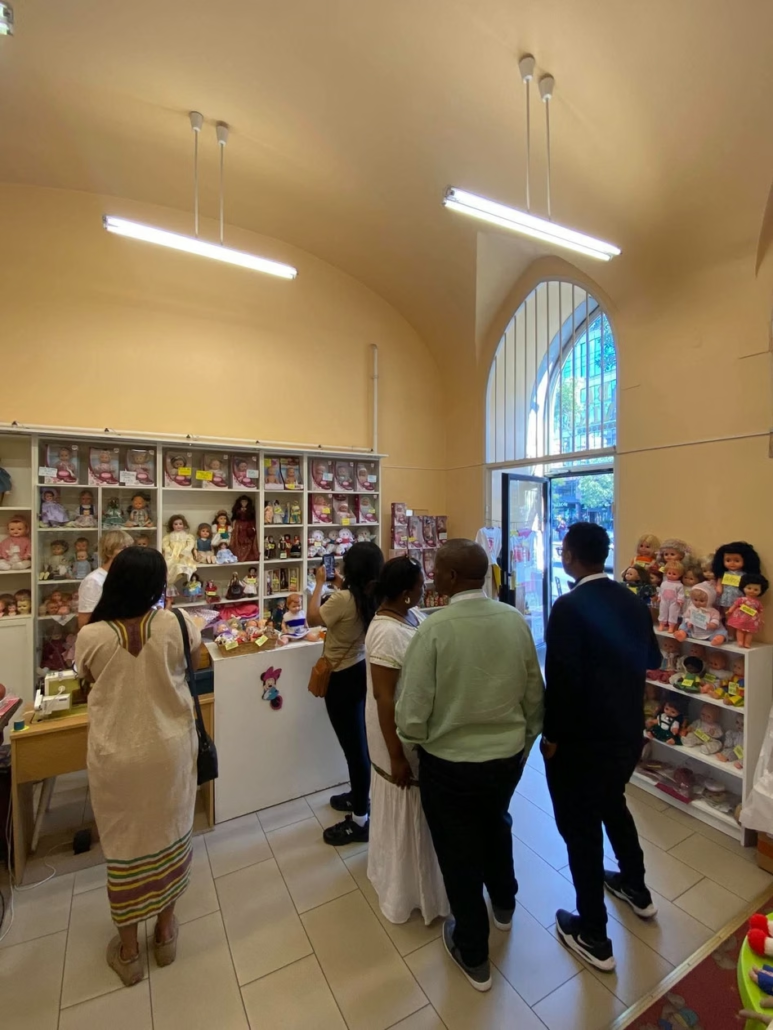
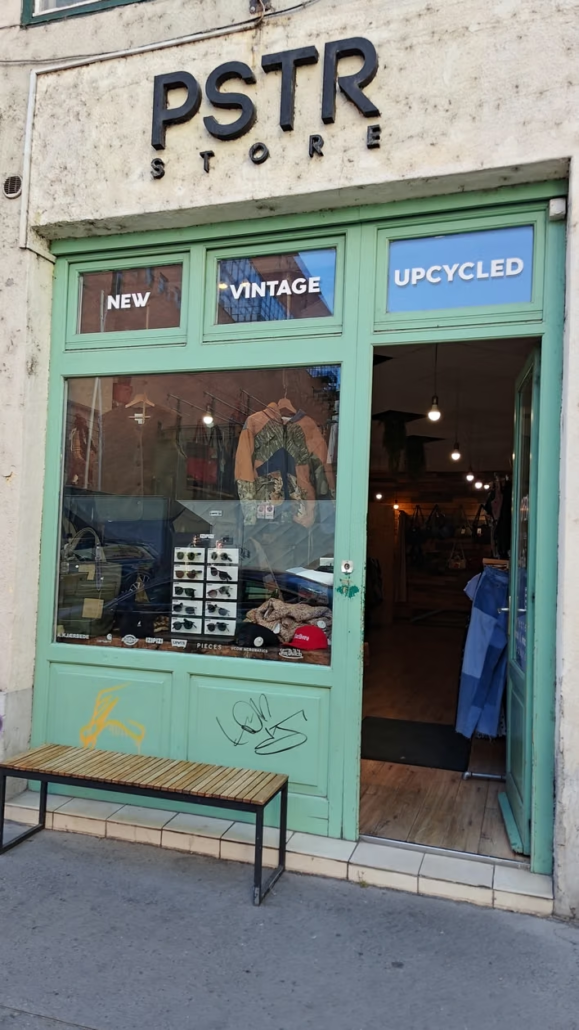
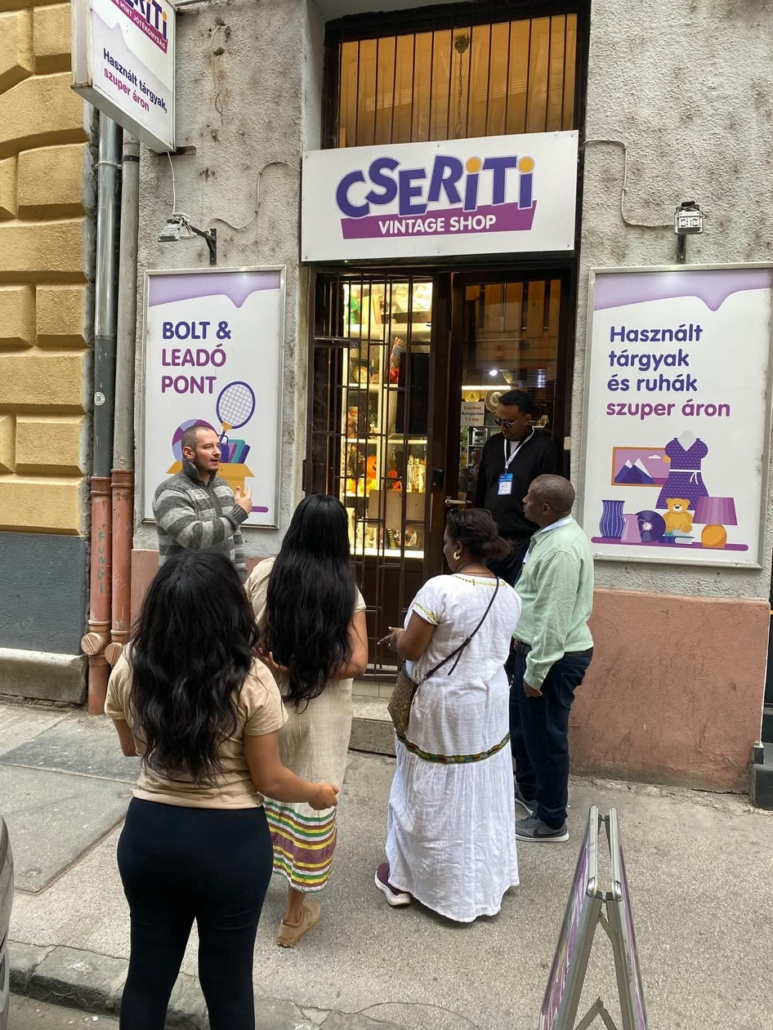
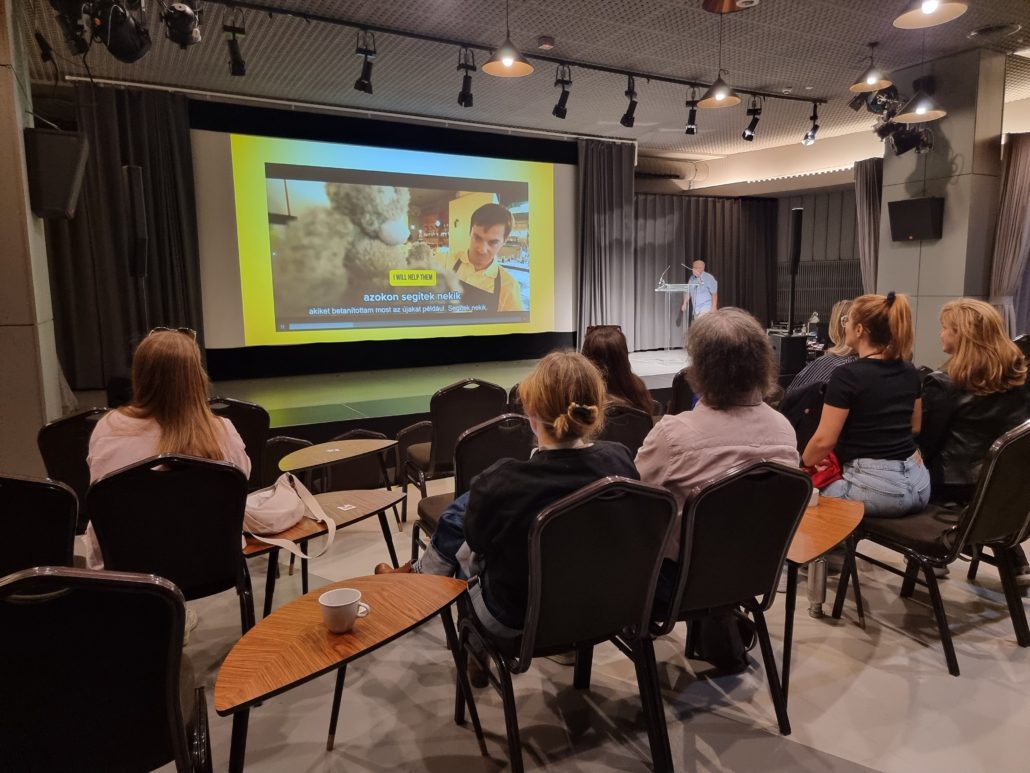
Reuse works in practice—but cooperation and industry collaboration are essential

News

Reuse works in practice—but cooperation and industry collaboration are essential

Read more
18.03.2026
https://bcsdh.hu/wp-content/uploads/2026/03/7-1.jpg 1153 2048 Takacs Ivett https://bcsdh.hu/wp-content/uploads/2021/12/bcsdh-logo.png Takacs Ivett2026-03-18 07:11:502026-04-17 14:33:41Reuse works in practice—but cooperation and industry collaboration are essential

We are halfway through the DEDYCATING ERASMUS+ project

News

The 3rd transnational partner meeting of the DEDYCATING Erasmus+ project was held in Tallinn, Estonia between 11-13 March 2026, where partners have discussed the ongoing Work Packages and tasks of the next months.

Country Reports and Best Practice Collections are finalised, the work will continue with the building of the Knowledge Pool and the preparation of the Methodology Handbook.

The Best Practice Collection is one of the key outcomes of the DEDYCATING project, bringing together inspiring examples of how ESG principles and artificial intelligence are being integrated into education across Europe.

Covering three thematic areas:

  1. ESG fundamentals,
  2. AI in education, and
  3. AI ethics

the collection showcases real-world approaches from each of the five partner countries, selected for their relevance, quality, and transferability.

It is designed as a living resource: as the project progresses, new best practices contributed by our partners will be added, reflecting the diversity of national contexts and institutional experiences.

Whether you are an educator, trainer, or curriculum designer, the collection offers concrete inspiration for developing ESG-focused learning materials that are both locally grounded and internationally comparable.

Explore the best practices below and revisit this page regularly as new contributions from our partner countries are published.

  • Budapest University of Business and Economics (Hungary)
  • IEDC Bled School of Management (Slovenia)
  • ICN Business School (France)
  • Krakow University of Economics (Poland)
  • TalTech (Estonia)

We also launched a 5-episode podcast series, and two episodes are available now:

Podcast – dedycating-project


17.03.2026
https://bcsdh.hu/wp-content/uploads/2026/03/1-scaled.jpeg 1920 2560 Takacs Ivett https://bcsdh.hu/wp-content/uploads/2021/12/bcsdh-logo.png Takacs Ivett2026-03-17 10:18:402026-03-17 10:38:41We are halfway through the DEDYCATING ERASMUS+ project

Aligned Around Common Goals: Kick-off Meeting with the Members of the Net Zero Advisory Board

News

The Net Zero Advisory Board held an online meeting on 29 January with the aim of enabling members to share their organisations’ plans, objectives and key events for 2026, as well as their main professional priorities for the coming year.

At the beginning of the meeting, Attila Chikán Jr., President of BCSDH, welcomed the participants.

The board then reviewed the changes in its membership, after which members presented their planned activities for 2026, along with potential areas for connection and collaboration that could contribute to achieving the shared net zero goals.

During the discussion, several potential synergies already emerged. One of the key upcoming events will be the European Circular Economy Hotspot, the hosting rights of which were awarded to BCSDH through a competitive application process.

The meeting was moderated by Irén Márta, Managing Director of BCSDH.

Participants of the Advisory Board meeting:

  • Zsombor Barta – Senior Parliamentary Advisor, International Relations Officer, National Council for Sustainable Development

  • Attila Chikán Jr. – President, Business Council for Sustainable Development in Hungary (BCSDH)

  • András Kárpáti – President, Future Mobility Association

  • Anita Kristó – Secretariat for Circular Economy and Climate Policy, Ministry of Energy

  • Marcell Kovács – CEO, Masped, representing MLBKT – Hungarian Logistics, Purchasing and Inventory Management Society

  • Irén Márta – Managing Director, Business Council for Sustainable Development in Hungary (BCSDH)

  • Andrea Nagy – Race to Zero Project Lead, Business Council for Sustainable Development in Hungary (BCSDH)

  • Gábor Szarvas – President, Hungarian Green Building Council (HuGBC)

  • Ildikó Zátrok – Director, Strategic, Sustainable Finance and IT Supervisory Directorate, Central Bank of Hungary (MNB)


We would like to thank the supporters of our Race to Zero program:

13.03.2026
https://bcsdh.hu/wp-content/uploads/2026/02/csoportkep_NZAB_0129.png 894 1561 Gyurgyik Anna https://bcsdh.hu/wp-content/uploads/2021/12/bcsdh-logo.png Gyurgyik Anna2026-03-13 10:12:042026-03-13 10:12:04Aligned Around Common Goals: Kick-off Meeting with the Members of the Net Zero Advisory Board
Page 2 of 512345
Followon TwitterSubscribeto RSS Feed

Latest news

Categories

  • Award
  • Business Solution Award
  • Business Transformation award
  • Change Leader Award
  • Kiemelt hírek
  • Leading women award
  • Member News
  • New member
  • News
  • új tagvállalat
  • Uncategorized

Archives

  • April 2026
  • March 2026
  • February 2026
  • January 2026
  • December 2025
  • November 2025
  • October 2025
  • September 2025
  • August 2025
  • July 2025
  • June 2025
  • May 2025
  • April 2025
  • March 2025
  • February 2025
  • January 2025
  • December 2024
  • November 2024
  • October 2024
  • September 2024
  • August 2024
  • July 2024
  • June 2024
  • May 2024
  • April 2024
  • March 2024
  • February 2024
  • January 2024
  • December 2023
  • November 2023
  • October 2023
  • September 2023
  • August 2023
  • July 2023
  • June 2023
  • May 2023
  • April 2023
  • March 2023
  • February 2023
  • January 2023
  • December 2022
  • November 2022
  • October 2022
  • September 2022
  • August 2022
  • July 2022
  • June 2022
  • May 2022
  • April 2022
  • March 2022
  • February 2022
  • January 2022
  • December 2021
  • November 2021
  • October 2021
  • September 2021
  • August 2021
  • July 2021
  • June 2021
  • May 2021
  • April 2021
  • March 2021
  • February 2021
  • January 2021
  • December 2020
  • November 2020
  • October 2020
  • September 2020
  • July 2020
  • June 2020
  • May 2020
  • April 2020
  • March 2020
  • February 2020
  • January 2020
  • December 2019
  • November 2019
  • October 2019
  • September 2019
  • August 2019
  • July 2019
  • June 2019
  • May 2019
  • April 2019
  • March 2019
  • February 2019
  • January 2019
  • December 2018
  • November 2018
  • October 2018
  • September 2018
  • August 2018
  • July 2018
  • June 2018
  • May 2018
  • April 2018
  • February 2018
  • January 2018
  • December 2017
  • November 2017
  • October 2017
  • September 2017
  • May 2017
  • April 2017
  • March 2017
  • February 2017
  • December 2016
  • November 2016
  • October 2016
  • September 2016
  • August 2016
  • July 2016
  • June 2016
  • May 2016
  • April 2016
  • March 2016
  • February 2016
  • December 2015
  • November 2015
  • October 2015
  • September 2015
  • August 2015
  • July 2015
  • June 2015
  • April 2015
  • March 2015
  • February 2015
  • January 2015
  • December 2014
  • November 2014
  • October 2014
  • September 2014
  • August 2014
  • July 2014
  • June 2014
  • May 2014
  • April 2014
  • March 2014
  • February 2014
  • January 2014
  • December 2013
  • November 2013
  • September 2013
  • July 2013
  • June 2013
  • May 2013
  • April 2013
  • March 2013
  • February 2013
  • January 2013
  • November 2012

Business Council for Sustainable Development in Hungary
1118 Budapest, Ménesi street 9/a.

About us
Our mission
Our vision
Our Members
Annual Report
Contact

Carbon-aware events
Gallery

Policies and statements
Privacy policy
Competition Law Statement
Code of Ethics

World Business Council for Sustainable Development (WBCSD) National Partner

© Copyright - BCSDH - powered by Enfold WordPress Theme
  • Facebook
  • LinkedIn
  • Mail
Scroll to top