Nestlé Hungária is encouraging a shift to regenerative agricultural practices through a community programme it has initiated in the Western Transdanubian region. In addition to preserving the natural assets of the region, the initiative will also promote the long-term security of its suppliers and the region’s ecosystem services through the Bük animal feed factory, one of the largest employers in the geographical area. In Hungary, the programme is supported by the Ministry of Agriculture.
As the world’s largest food company, Nestlé has a responsibility to transform food production and supply chains to contribute to the renewal of the planet’s natural resources and to a more sustainable diet for consumers.
“This summer’s drought has clearly shown the challenges facing our suppliers and our entire supply chain. Food raw material producers face a huge challenge from both the effects of climate change, such as increasingly frequent and prolonged droughts; damage caused by inappropriate, intensive farming practices; and factors such as fertiliser shortages, or rising raw material prices,” said Anna Hőgyész, Nestle Hungary Sustainability leader.

This is why Nestlé Purina’s pet food business has taken the initiative to launch the Landscape Enterprise Networks (LENs) programme, which was set up in the UK by the consultancy 3Keel and is already operating successfully in the UK, for the first time in the region in Hungary. The initiative could provide a solution to the challenges facing agriculture and food production and supply chains, particularly given that 60 per cent of the 140,000 tonnes of raw material supplied to the factory in Bük is sourced from Hungarian farmers.
The first phase of LENs Hungary, launched in 2022, is currently contributing more than €200,000 to the expansion of soil restoration land use practices in three different cereal farms on the area of 2000 hectares, and the implementation of nature-based solutions, improving the resilience of the affected areas and supply chains to Nestlé financing.
The initiative will be implemented in Hungary by the consultancy Preferred By Nature, with Syngenta helping to measure the results of the interventions and to prepare and validate the measurement methodology. The programme is also supported by the Ministry of Agriculture, as it focuses on issues of importance to domestic agriculture.
“Business solutions such as this support government efforts to increase the competitiveness of agriculture, while contributing to the response to the challenges of climate change, the creation of conditions for efficient food production and the sustainable use of finite natural resources,” said Dr. Anikó Juhász, Deputy State Secretary for Agriculture.
Nestlé will source a fifth of its key raw materials from areas cultivated using soil regeneration methods by 2025, and half five years later. Thanks to regenerative agriculture, the food industry’s production of raw materials can have less impact on the environment, while contributing to the regeneration of entire landscapes. The interventions increase soil water retention and carbon sequestration, biodiversity and water quality, while reducing soil erosion and carbon emissions from cultivation.
“ The interventions increase the soil’s ability to retain and seize water, biodiversity, improve water quality, but reduce soil erosion and carbon emissions from cultivation Within the framework of the LENs Hungary programme, we are also supporting the establishment of a network of farms to directly share experience and knowledge on soil regeneration agriculture,” said Bálint Lukács, LENs project manager for Preferred by Nature Hungary.
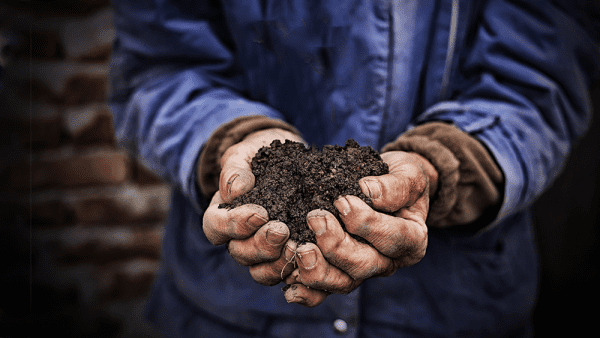
“A trading community built on business-based collaborations under the LENs programme will bring tangible benefits for businesses and income for farmers,” says Anna Hőgyész. And this is in the business interest of Nestlé, which recruits the majority of its grain suppliers in Hungary from the Western Transdanubian region and has a predominantly local supply chain through its pet food factory in Bük. But the initiative goes far beyond that: “Preserving natural assets is not only in the interest of the food and agriculture industry, as the functioning and value chain security of countless industries is linked to the functions provided by these assets,” says Anna Hőgyész.
More information on the independent, business-driven LENs initiative can be found here: https://landscapeenterprisenetworks.com/

 “Everyone benefits from this service which makes it a real win-win project. We cut the food waste of the stores, customers get access to lots of products at 33% of the original price, and we significantly reduce our impact on the environment by not throwing away these food products. Unfortunately, wasting food is a global phenomenon – one third of all of the food produced around the globe gets disposed or ends up as waste. This means that in Europe alone almost 90 million tonnes of food goes to waste each year. Starting now, SPAR’s customers can also start saving food in an efficient way with the help of Munch through which they can discover new products and become part of a concious-thinking and environmentally-protective community,” said Gabriella Heiszler, chair and managing director of SPAR Hungary.
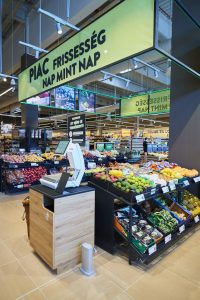 Some of the supermarkets have been equipped with new functions during the renovation that need a greater electricity supply. But, thanks to the new technologies implemented their electricity consumption doesn’t increase and, in some cases, it is actually reduced by 10-15 percent. The explanation behind this is the technological and energy-saving measures put in place.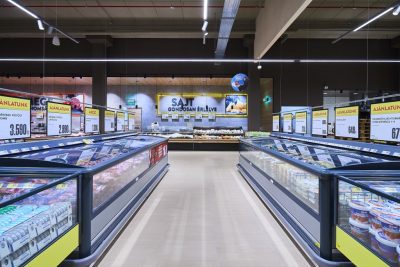
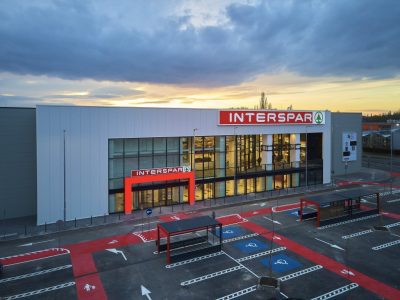
 “The goal of the Hungaricool product competition is to identify and support Hungarian small producers, to offer cooperation opportunities to family companies and entrepreneurs that meet the conditions and apply in the areas defined in the call with unique and exciting products that respond to market demand. The winners of the competition aiming to find and support the creative resources of the domestic economy, can offer their original flavour combinations, imaginative food or exciting non-food products in INTERSPAR stores and the SPAR Online shop. Following the past three Hungaricool rounds so far, 26 winning suppliers are present on the shelves of our retail chain with a total of more than a hundred products. In the framework of the programme, as business mentors we also provide a wide range of marketing support to the winners through the SPAR Supplier Academy,” explained Gabriella Heiszler, CEO and chair of SPAR Hungary.
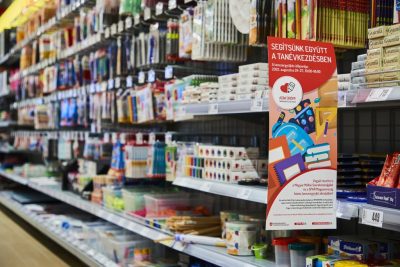
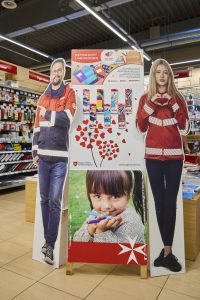 “This year, the Hungarian Charity Service of the Order of Malta again supports the families of 1,500 children with new school supplies, PE accessories, and school bags full of necessary supplies with the help of the customers of the store chain. The heavy costs that come with the beginning of the school year are a burden for a lot of Hungarian families. These donations help those in the most disadvantaged situations and prevent their children from having to start school missing essential or even all their school supplies. We thank our customers who purchased notebooks, stationary items, pencil cases, or other supplies at the end of August in INTERSPAR stores to support the donation campaign, as well as those who bought our donation cards to do their bit to support our campaign. With the help of SPAR Hungary, 300 school supply bags, each worth 10,000 forints, were added to the donations collected during the campaign,” said Tamás Romhányi, head of communications of the Hungarian Charity Service of the Order of Malta.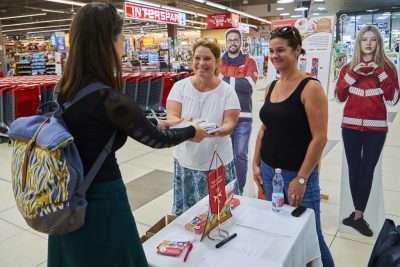
 The Company is a key player in the cash-saving digitalisation process in Hungary, and its role in the introduction and education of modern financial solutions is undeniable, as it provides services via a nationwide, interoperable payment platform. The Company is continuously exploring areas where there is potential for the introduction of cashless payment services that can serve the convenience and security of the population and all aspects (social, economic and environmental) of domestic sustainability.
 It is also important that both public/user and professional dialogue are a high priority in the life of the Company, and it is important to provide up-to-date information, reporting and insight on a number of innovative issues: the recently established NM Innovation, as the NM Plc. Innovation Workshop, in line with the Hungarian digitalisation and innovation efforts, has launched its website and its professional, yet accessible blog, which is constantly updated and can be accessed via the following link: